 Presented byMajestic Park Animal Hospital
Many Owners Wait Too Long on Pet Insurance – a Veterinarian Explains Why
Unexpected veterinary emergencies can happen in an instant. A swallowed sock, a torn ligament, a cancer diagnosis, or a late-night trip to the emergency hospital can leave owners facing difficult medical decisions alongside significant financial costs.
As pet insurance becomes increasingly common, many dog owners are asking whether it’s worth the investment, when they should enroll, and what these policies actually cover. As part of the Veterinary Insight Series, we spoke with Dr. Espinosa about common misconceptions, why timing matters, what owners should know before selecting a policy, and how insurance can expand treatment options when the unexpected happens.
Earlier this year, Dog Friendly Las Vegas explored the differences between veterinary wellness plans and pet insurance following a consumer story that highlighted the importance of understanding contract terms before enrolling. While wellness plans are generally designed to help budget routine preventive care, pet insurance is intended to help offset eligible costs associated with unexpected illnesses and injuries. If you haven’t already, we encourage readers to also explore our article, Nevada Pet Owners May Want to Read the Fine Print Before Signing a Veterinary Wellness Plan, for a closer look at how the two differ.
Veterinary Tips
Why More Veterinarians Are Talking About Pet Insurance
One of the biggest changes Dr. Espinosa has witnessed is how pet insurance has transformed conversations surrounding advanced veterinary care. Procedures and long-term treatment plans that once seemed financially out of reach may become realistic options when coverage is already in place.
It’s created more time for pets when they might’ve died due to accidents or terminal illness
he says. “It has given owners more options when presented with large estimates for emergency surgeries and lifelong disease management.”
From emergency surgery to chronic disease management, having insurance can provide owners with choices they may not otherwise have had when faced with difficult decisions.
Why Timing Matters More than Most Owners Realize
One of the biggest misconceptions Espinosa encounters is that pet insurance is either too expensive or only useful after something goes wrong.
Unfortunately, that’s often when it’s already too late.
Most insurance providers exclude pre-existing conditions, meaning illnesses or injuries documented before enrollment generally won’t be covered. Because of that, waiting until a pet develops a medical issue can significantly reduce the value of purchasing a policy.
He recommends owners begin researching insurance shortly after bringing a new dog home rather than waiting for their first emergency.
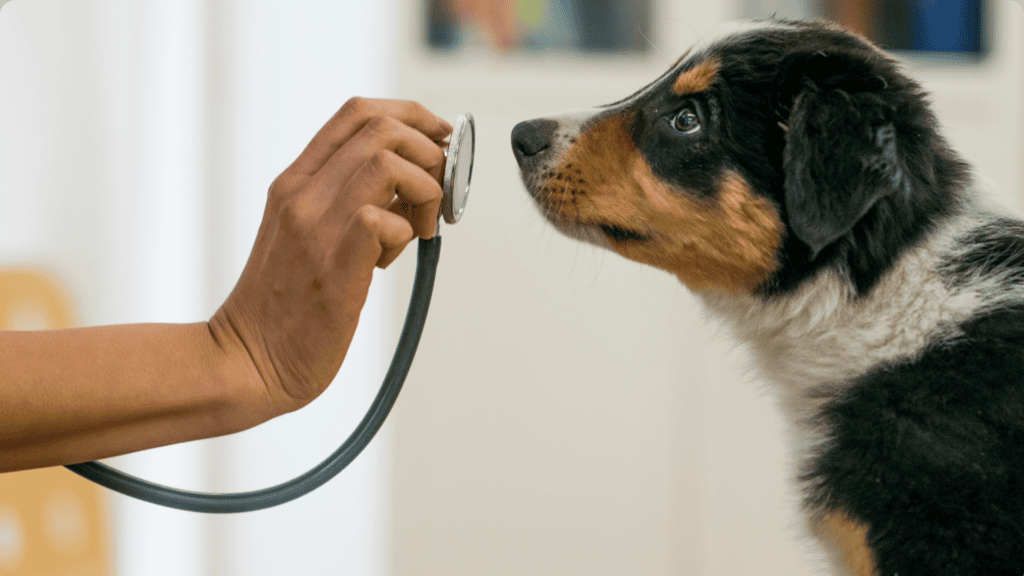
Enrolling a puppy, or even an adult dog that is still healthy, typically provides broader coverage options and may result in lower monthly premiums than waiting until health concerns develop. That can be particularly valuable for breeds predisposed to orthopedic disease, spinal disorders, respiratory issues, skin conditions, or certain cancers later in life.
Understanding What Pet Insurance May Cover
Coverage varies significantly between companies, making it important for owners to understand exactly what they’re purchasing before selecting a policy.
Depending on the provider and plan, insurance may help cover emergency surgeries, hospitalization, specialty procedures, cancer treatment, certain dental conditions, allergy diagnostics and treatment, advanced imaging, and specialty referrals. Some companies also offer optional wellness or preventive care add-ons, while others focus solely on accidents and illnesses.
Espinosa encourages owners to carefully compare policies and understand exclusions, reimbursement percentages, deductibles, annual coverage limits, waiting periods, and claims processes before making a decision.
Taking the time to research those details while a dog is healthy can prevent disappointment when an emergency eventually occurs.
When Unexpected Emergencies Become Expensive
Veterinary emergencies often involve much more than a single procedure. Hospitalization, laboratory testing, advanced imaging, anesthesia, specialist consultations, medications, surgery, and follow-up care can quickly increase overall costs.
Some of the more expensive situations Espinosa regularly sees include foreign body surgeries, urinary blockages, splenectomies, orthopedic procedures, pancreatitis, cancer treatment, and neurological diseases such as intervertebral disc disease (IVDD).
Over the years, he has watched insurance make an enormous difference for many families.
There have been too many cases to count
he says. “Pets with IVDD, broken limbs, cancer, and other serious conditions have gotten years with their families because they were insured early.”
Insurance Is One Part of Financial Planning
Pet insurance isn’t the only way owners can prepare for unexpected veterinary expenses.
For families who decide insurance isn’t the right fit, Espinosa recommends building a dedicated emergency savings fund specifically for their pet. At the same time, he notes that a savings account can be depleted quickly by a major emergency, while some insurance policies continue helping with eligible chronic or recurring conditions over time.
He also encourages owners to discuss wellness plans with their veterinary hospital.

As Dog Friendly Las Vegas discussed in our previous coverage, wellness plans and pet insurance serve different purposes. Wellness plans are designed to help budget routine preventive services such as examinations, vaccinations, bloodwork, and dental care, while pet insurance is intended to help offset eligible costs associated with unexpected illnesses and injuries. Understanding both options allows owners to choose the financial strategy that best fits their pet and their family’s needs.
Choosing the Right Policy
Not all pet insurance policies are created equal.
Rather than selecting the least expensive option, Espinosa encourages owners to compare companies carefully and understand exactly what each policy provides. Monthly premiums are only one part of the equation; deductibles, reimbursement percentages, annual limits, exclusions, waiting periods, and claim processes all influence the overall value of a policy.
He also believes many owners are pleasantly surprised once they begin using their coverage.
I think there’s fear when people compare it to human insurance. Most of the claims are done quickly, and have decisions before you leave the clinic.
While every company operates differently, researching options before enrolling gives owners the best opportunity to select coverage that aligns with both their dog’s health needs and their own financial goals.
Dr. Espinosa’s Perspective
Throughout his years in veterinary medicine, Dr. Espinosa has seen firsthand how quickly an unexpected illness or injury can change a family’s life. While no insurance policy can prevent emergencies, he believes planning ahead often provides owners with more choices when difficult medical decisions arise.
His advice is simple: don’t wait until something happens to begin researching your options.
Whether owners ultimately choose pet insurance, maintain a dedicated emergency savings fund, enroll in a wellness plan for preventive care, or combine multiple financial strategies, making those decisions while a dog is healthy provides the greatest flexibility later.
For Espinosa, the goal isn’t convincing every owner to purchase insurance, it’s ensuring families understand their options before they’re forced to make difficult decisions under emotional and financial pressure. Planning ahead won’t eliminate emergencies, but it can help ensure finances don’t become the biggest obstacle to pursuing the care a beloved dog may need.

Information Provided by Dr. David Espinosa
A native of Louisiana, Dr. Espinosa earned his Doctor of Veterinary Medicine from Louisiana State University in 2009. He went on to complete a small animal rotating internship at Texas A&M College of Veterinary Medicine, followed by a medical oncology residency at Cornell University College of Veterinary Medicine from 2011 to 2013. His clinical focus is on chemotherapy and surgical oncology, and he is experienced in treating a wide range of cancers in dogs, cats, and exotic pets. Outside the clinic, Dr. Espinosa enjoys hiking and spending time at home with his husband, their three children, and a lively household of pets. He looks forward to welcoming you and your companion to the practice.
Content reflects individual opinions for general information only and is not a substitute for professional care; Dog Friendly Las Vegas is not responsible for actions taken based on this content.
Never Miss a Dog Event in Las Vegas
Get the latest dog events and top stories delivered straight to your inbox.