
What Your Dog’s Ears Tell Us About Health, Genetics, and Breeding
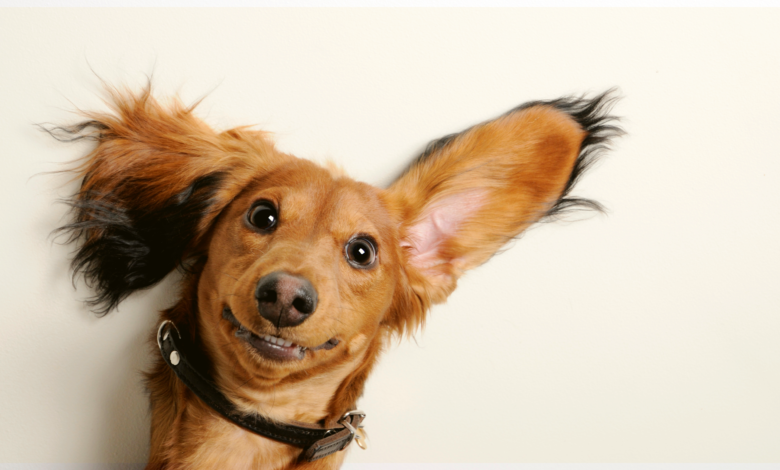
Dogs’ ears come in an incredible range of shapes and sizes, from upright and alert to long, soft, and floppy. While ear shape is often treated as a cosmetic trait or breed hallmark, new research shows it may also offer insight into genetics, selective breeding, and potential health considerations for dogs.
A recent study published in Scientific Reports has pinpointed genetic variants that influence ear length in dogs, opening the door to deeper understanding of how appearance-related traits intersect with health and disease risk.
The Science Behind Ear Length
Researchers from the University of Georgia analyzed the genetic data of more than 3,000 dogs, along with wolves and coyotes, to identify which regions of DNA influence ear size. Their findings point to variations near a gene called MSRB3 as a key factor in determining whether a dog’s ears are short, long, upright, or floppy.
What surprised researchers most was that even among dogs with the same general ear type — specifically drop-eared dogs — different genetic combinations still influenced ear length. In other words, floppy ears are not all genetically equal.
The study represents the first time scientists have clearly identified the genetic basis for ear length in dogs. Coverage in Phys.org dive further into what the study pinpoints.
Why Ear Genetics Matter for Health
While ear length itself isn’t a disease, the MSRB3 gene has been linked to hearing loss in humans. That connection is what makes this research especially relevant beyond aesthetics.
Understanding which genes are being selected for appearance helps researchers and veterinarians better interpret genetic studies related to inherited conditions. When breeders repeatedly select for exaggerated traits — such as very long or heavy ears — it can unintentionally increase the prevalence of linked genetic variants that affect health.
Researchers emphasize that mapping these traits allows future studies to separate appearance-related genes from disease-causing genes, improving accuracy when identifying health risks.
Ear Shape and Everyday Health Considerations
From a practical standpoint, ear shape already plays a role in how veterinarians assess and manage ear health.
Dogs with long, floppy ears tend to have reduced airflow in the ear canal, which can trap moisture and heat. This environment may increase the risk of ear infections, especially in breeds prone to allergies or frequent swimming. Upright ears, by contrast, often allow better ventilation but may be more exposed to environmental debris.
While genetics don’t determine whether a dog will develop ear problems, they help explain why some dogs require more proactive ear care than others.
What Pet Owners Can Take Away
Your dog’s ears are more than a cute feature. They reflect genetics, breeding history, and in some cases, potential health considerations. Understanding this connection can help pet owners:
- Stay proactive about ear hygiene and vet checks
- Recognize breed-specific risks without panic
- Support responsible breeding practices
- Appreciate how science continues to improve canine health
As research continues to uncover how form and function intersect in dogs, even familiar traits like ears are proving to be part of a much bigger picture — one that ultimately benefits the health and well-being of pets everywhere.