
How a License Plate Is Quietly Reducing Pet Overpopulation in Idaho
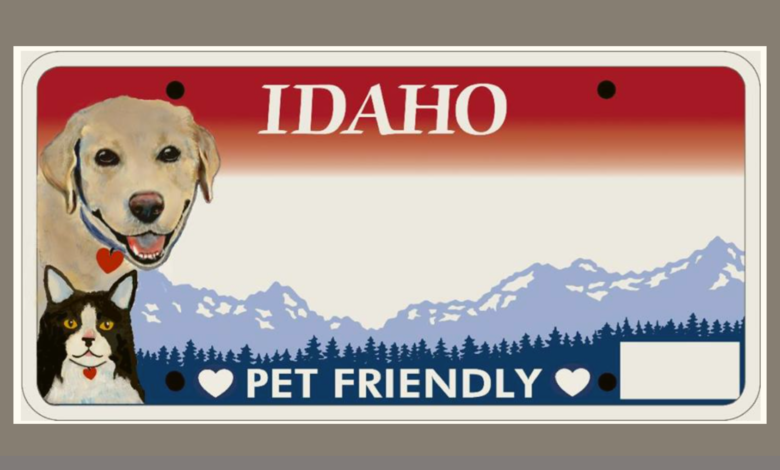
Specialty license plates often feel symbolic, but in Idaho, one plate has produced tangible, statewide results for dogs and cats. Since the Pet-Friendly License Plate was signed into law on March 15, 2019, Idahoans have purchased the plate in record numbers, generating sustained funding for spay and neuter programs across the state.
According to the Idaho Humane Society (IHS), which administers the program, the initiative has distributed $365,887 since its inception, funding 6,337 spay and neuter surgeries for animals statewide. The most recent funding round in July 2025 exceeded $77,000, more than doubling the first distribution of $30,000 in 2020.
Why Spay and Neuter Funding Matters
Spay and neuter access remains one of the most effective tools for reducing shelter intake, euthanasia rates, and community animal suffering. Rural areas, low-income households, and overwhelmed rescue networks often lack affordable veterinary access, making sustainable funding critical.
Research from the ASPCA consistently shows that communities with accessible spay and neuter services experience:
- Reduced shelter intake over time
- Lower municipal animal control costs
- Fewer stray and free-roaming animals
- Improved overall animal health outcomes
How Idaho’s Program Is Structured
One reason Idaho’s program has gained attention is how it’s administered. The Idaho Humane Society covers all program operating costs, and does not receive any of the spay/neuter funds itself. Every dollar distributed goes directly to participating organizations and communities across the state.
This structure ensures:
- No administrative dilution of funds
- Equitable distribution across regions
- Transparent reporting and accountability
The result is a program that quietly scales year over year without relying on annual fundraising drives or emergency appeals.
Are Other States Doing Something Similar?
Idaho is not alone, but programs like this remain underutilized nationwide.
Several states operate animal welfare license plates with varying structures and success:
- Colorado – “Adopt a Shelter Pet” Plate – Funds support shelter and rescue initiatives statewide.
- Texas – Animal Friendly License Plates – proceeds benefit spay/neuter and animal welfare organizations.
- Florida – Animal Friend Plate – Supports spay/neuter and rescue efforts through the Animal Friend Foundation.
However, many programs lack consistent reporting or statewide coordination, which makes Idaho’s transparent impact reporting notable by comparison.
Long-Term Impact Beyond the Numbers
While 6,337 surgeries is a concrete metric, the ripple effect is significantly larger. Each spay or neuter prevents future litters, reduces strain on shelters, and lowers long-term animal control costs for municipalities.
Studies estimate that one unspayed female dog and her offspring can produce tens of thousands of descendants over several years under ideal conditions, underscoring how preventive measures compound over time.
What This Could Mean for Other Communities
Idaho’s Pet-Friendly License Plate program demonstrates how small, opt-in consumer choices can create sustained animal welfare funding without relying solely on donations or crisis-based fundraising.
For regions facing rising shelter intake, veterinary shortages, and limited municipal budgets, similar models could:
- Stabilize spay/neuter funding
- Reduce shelter overcrowding
- Improve outcomes for pets and people alike
As animal welfare organizations nationwide search for scalable solutions, Idaho’s approach offers a data-backed example of how policy, community participation, and transparency can intersect to create lasting change.