
Ontario Moves to Ban Declawing and Other Cosmetic Pet Surgeries
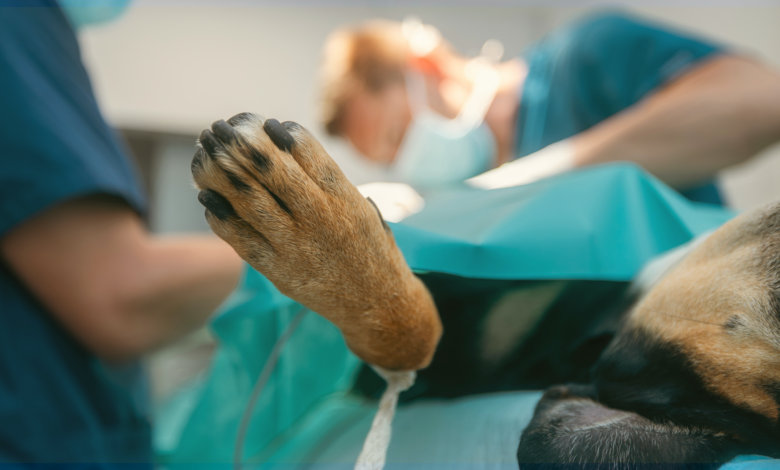
Ontario is moving closer to banning declawing in cats and debarking and ear cropping in dogs, signaling a broader shift toward recognizing these procedures as animal welfare issues rather than personal preference.
The proposed regulations, currently open for public consultation, would prohibit veterinarians from performing medically unnecessary cosmetic surgeries on animals. Licensed veterinarians would still be allowed to perform these procedures if they determine they are required for an animal’s health, safety, or well-being.
Animal welfare advocates say the move is long overdue — and that it may still fall short.
What the Proposed Ban Would Cover
Under the proposed changes, Ontario would ban three procedures when performed for non-medical reasons:
- Declawing, which involves amputating all or part of a cat’s toe bones
- Ear cropping, where a dog’s ears are surgically altered to stand upright
- Devocalization, also known as debarking, which removes or damages vocal cords to reduce barking
The Ontario government describes these practices as causing avoidable pain, long-term health complications, and behavioral issues without clear medical benefit.
Why These Procedures Are Controversial
Veterinary and animal welfare organizations have long argued that cosmetic surgeries fundamentally alter how animals communicate, move, and defend themselves.
Declawing has been compared by veterinarians to amputating a human finger at the last knuckle, often leading to chronic pain, arthritis, litter box avoidance, and increased biting. Debarking can result in breathing complications and throat damage, while ear cropping exposes dogs to unnecessary surgical risks and prolonged recovery — all for aesthetic reasons.
The College of Veterinarians of Ontario has opposed medically unnecessary surgeries since 2016, encouraging veterinarians to educate clients and discourage cosmetic procedures whenever possible.
Where Other Jurisdictions Stand
Ontario is currently the last Canadian province without an outright ban on cat declawing. Several provinces have already taken legislative or regulatory action:
New Brunswick, Nova Scotia, Prince Edward Island, Newfoundland and Labrador, Alberta, British Columbia, Quebec, and Manitoba all prohibit or strongly restrict declawing
Quebec also bans ear cropping and tail docking except in limited circumstances
Internationally, cosmetic pet surgeries are increasingly restricted:
The United Kingdom bans declawing, ear cropping, tail docking, and debarking
Most European Union countries prohibit cosmetic surgeries under animal welfare laws
Australia and New Zealand ban declawing and restrict other cosmetic procedures
How the U.S. Handles Cosmetic Pet Surgeries
In the United States, regulation varies widely by state and locality.
Declawing is banned statewide in New York and Maryland, with additional bans in cities such as Los Angeles, San Francisco, Denver, and Washington, D.C. Several states restrict declawing through veterinary board policies rather than legislation.
Ear cropping and tail docking remain legal in most U.S. states but are increasingly discouraged by veterinary associations, including the American Veterinary Medical Association, which opposes cosmetic surgeries when performed solely for appearance.
Debarking is legal in most states but is often restricted by veterinary guidelines and local ordinances.
Advocates Say the Ban Should Go Further
Animal welfare organizations in Ontario argue that partial bans leave loopholes and ethical inconsistencies. Some are calling for a blanket prohibition on all cosmetic animal surgeries, including tail docking and similar procedures performed on horses.
They argue that banning some cosmetic surgeries while allowing others continues to frame animals as property rather than sentient beings deserving of bodily autonomy.
What Happens Next
Ontario’s public consultation remains open through early February per CBC coverage. The timeline for implementation has not yet been announced, and the final regulations may change based on feedback from veterinarians, animal welfare groups, and the public.
If enacted, the ban would mark a significant policy shift — aligning Ontario with much of Canada and the international community in treating cosmetic pet surgeries as a welfare issue rather than a consumer choice.
Why This Matters
As awareness around animal welfare grows, governments are increasingly being asked to reconcile long-standing practices with modern ethical standards. Ontario’s proposed ban reflects a broader global movement toward prioritizing animal well-being over tradition, aesthetics, or convenience.
For pet owners, shelters, and veterinarians alike, these changes reinforce a simple but evolving idea: procedures that permanently alter an animal’s body should require a medical reason — not just human preference.