Pet Cremation Scandals Highlight Why Memorials and Transparency Matter More Than Ever
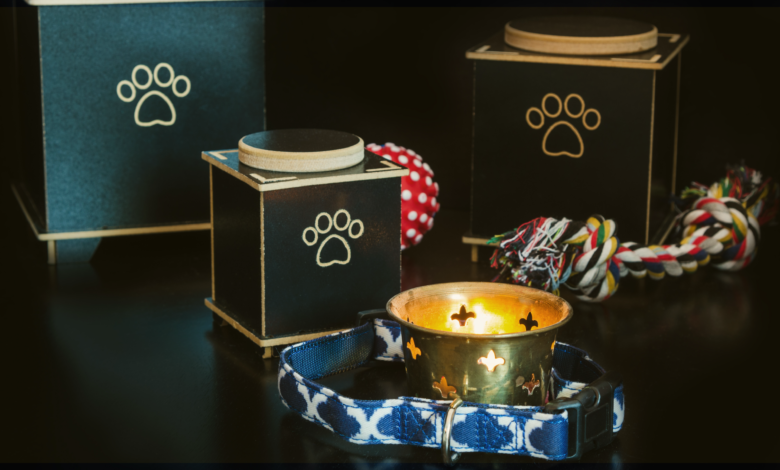
As lawmakers in Pennsylvania move to strengthen oversight of the pet cremation industry following a sweeping fraud case, the conversation extends far beyond regulation. At its core, this moment forces a deeper reckoning with how families grieve, how they honor their pets, and why trust in pet aftercare is so deeply personal.
For many families, cremation is not simply a service. It is the foundation upon which remembrance, closure, and healing are built. When that trust is violated, the loss cuts far deeper than financial harm.
The Pennsylvania Case Sparking Legislative Action
According to reporting published by Pittsburgh Patch, a Pittsburgh-area funeral home owner allegedly accepted payments for thousands of pet cremations, then disposed of animal remains in landfills while returning ashes that did not belong to the pets families had entrusted to his care.
Protect Your Pet with Odie Pet Insurance
Odie offers customizable pet insurance and wellness plans that help cover vet bills for accidents, illnesses, and routine care.
Patrick Vereb, owner of Vereb Funeral Homes and Eternity Pet Memorial, is accused of stealing more than $650,000 from pet owners across multiple counties in Western Pennsylvania. Investigators allege that the remains of more than 6,500 animals were mishandled, leaving families unknowingly memorializing pets whose remains were never returned.
In response, Pennsylvania lawmakers have introduced legislation aimed at creating transparency and accountability across the pet cremation industry, ensuring families receive clear documentation, truthful disclosures, and confirmation that their pet’s remains were handled properly.
What the Proposed Pennsylvania Law Would Change
The proposed legislation would require cremation providers to publicly disclose all cremation types offered, including private, individual-partitioned, and communal services. Intermediaries would be required to state whether cremations are performed in-house or contracted out.
Providers would also be required to certify that returned remains belong to the correct animal, document cremation dates and methods, refrigerate remains within 48 hours, retain records for at least three years, and ensure all holding facilities comply with health regulations.
Lawmakers say these safeguards are meant to ensure no family ever has to question what happened to their beloved pet.
Discover Your Dog’s Breed, Family, and History
The Embark Breed ID Test screens for 400+ dog breeds with up to 99% accuracy, giving you a detailed breakdown of your dog’s ancestry.
A Painfully Familiar Story in Las Vegas
For Las Vegas families, this legislation mirrors concerns uncovered much closer to home.
As previously reported, the Nevada Attorney General has filed criminal fraud charges against Rick Senninger, owner of First Call Pet Cremation and Budget Pet Cremation, following a KTNV 13 investigation.
That investigation revealed that animal remains from Las Vegas families were transported to Utah, where deputies later discovered multiple desert dump sites containing the remains of at least 42 animals. Several were identified through microchips months after families had been told cremations were completed.
These cases have left families not only grieving their pets, but grieving the loss of certainty, dignity, and closure they believed cremation would provide.
Why Pet Memorials Carry Such Deep Meaning
For many grieving families, cremation is the first step toward memorializing a pet’s life. Ashes may be placed in urns, incorporated into jewelry, buried beneath trees, or kept close as part of a home memorial. When cremation services fail, they disrupt the very rituals families rely on to heal.
As Dog Friendly Las Vegas previously explored in its coverage of the growing pet memorial movement, memorials are not about holding onto grief. They are about preserving connection.
From community Rainbow Bridge installations to engraved hearts, wind chimes, memory boxes, and garden stones, families increasingly seek tangible ways to honor the pets who shaped their lives. These memorials offer grounding during loss, helping bridge the emotional space between goodbye and healing.
When cremation services are mishandled, families are robbed of the foundation upon which those memorials are built.
What Pet Parents Can Take Away
These cases underscore how critical transparency is in pet aftercare. Experts recommend that families ask where cremations occur, whether remains leave the state, what documentation is provided, and how remains are tracked. Researching providers before a loss occurs can help families make informed decisions during an emotionally vulnerable time.
More importantly, they highlight why memorials matter so deeply. For many families, a pet’s ashes are not just remains — they are a promise kept. A way to honor a life filled with companionship, comfort, and unconditional love.
Why This Matters
Pets are family. How they are treated after death reflects how society values those bonds.
As Pennsylvania advances legislation and Nevada continues to grapple with the fallout of its own investigation, these stories serve as a national reminder: grief deserves honesty, remembrance deserves integrity, and families deserve to trust that their pets are treated with dignity — in life and beyond.
For communities like Las Vegas, where pet memorial spaces, rescue networks, and animal advocacy continue to grow, ensuring ethical pet aftercare is not just a legal issue. It is a deeply human one.