Woman Charged After Rescuing Abandoned Dog in Freezing Conditions
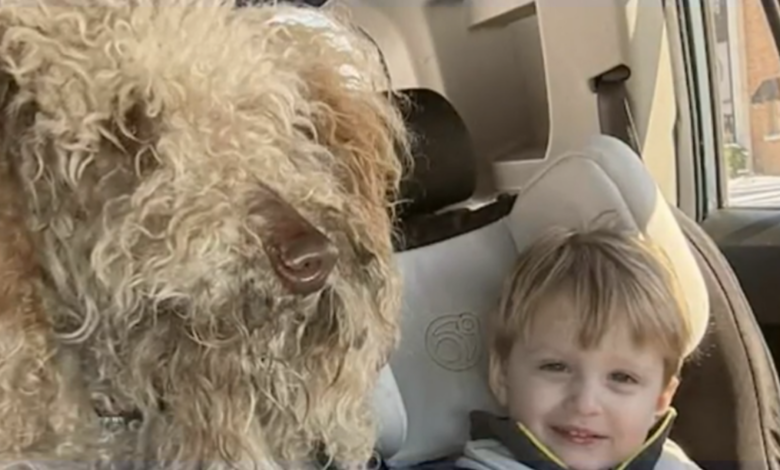
A Wilson County, North Carolina woman who rescued an abandoned dog from freezing temperatures and snow is now facing criminal charges — a case that is drawing national attention and prompting renewed questions about how animal welfare laws align with the realities of rescue, shelter overcrowding, and emergency intervention.
Dason Garner was charged with keeping a stray animal, failure to surrender an animal, and interfering with law enforcement after taking in a dog she believed had been abandoned during a winter storm. The charges were filed despite the dog being returned safely to its rightful owner less than 24 hours later and the individual seen abandoning the dog being charged separately.
A Rescue Sparked by a Ring Camera Video
Garner told WRAL News she acted after seeing Ring doorbell footage that appeared to show a woman leaving a dog on a stranger’s porch during a snowstorm. With temperatures dangerously low, Garner said she believed the dog would not survive if left outside.
Protect Your Pet with Odie Pet Insurance
Odie offers customizable pet insurance and wellness plans that help cover vet bills for accidents, illnesses, and routine care.
She took the dog into her home and contacted Wilson County Animal Control to report the situation. According to Garner, animal control officials instructed her to surrender the dog for an investigation. Garner declined, citing the dog’s physical condition and her professional background as a veterinary technician and groomer.
“In her condition, I don’t foresee her coming out of a shelter,” Garner said. “She wouldn’t stand a chance.”
Charges Filed Despite a Positive Outcome
Less than a day after the rescue, Garner was connected with the dog’s owner, who had been searching for the dog for nearly two months. The dog was returned, and authorities charged the woman seen in the video, Ashley Baker, with animal abandonment.
Despite that resolution, the Wilson County Sheriff’s Office proceeded with charges against Garner, stating she was instructed multiple times to surrender the dog and failed to comply.
The dog’s owner later told WRAL News she was grateful Garner intervened and credited her with saving the dog’s life.
Discover Your Dog’s Breed, Family, and History
The Embark Breed ID Test screens for 400+ dog breeds with up to 99% accuracy, giving you a detailed breakdown of your dog’s ancestry.
Garner, meanwhile, says the legal fallout has placed an unexpected financial and emotional burden on her family.
“I’m baffled. I’m confused,” she said. “I have a 2-year-old son, and I just started back to work.”
Where the System Feels Misaligned
While the case hinges on compliance with animal control procedures, it has sparked broader discussion within animal welfare circles about whether existing frameworks adequately reflect current rescue realities.
Across the U.S., shelters remain overcrowded, underfunded, and stretched thin. Numerous studies and rescue organizations have documented how dogs can deteriorate physically and behaviorally in shelter environments, particularly when they arrive already compromised by illness, trauma, or environmental exposure.
In emergency scenarios — extreme weather, visible abandonment, or immediate danger — informal rescue by community members often fills gaps that systems cannot address quickly enough.
In this case, the dog survived, was medically stabilized, reunited with its owner, and the individual responsible for abandonment was charged. Yet the rescuer now faces court proceedings of her own.
Rescue Versus Procedure
Animal control agencies are tasked with enforcing laws designed to ensure accountability, proper investigation, and public safety. However, cases like this highlight the tension between rigid procedure and situational judgment.
From a rescue perspective, Garner’s actions align with what many advocates encourage: immediate intervention to prevent suffering, followed by efforts to locate the owner. From an enforcement perspective, failure to surrender a found animal can complicate investigations and set precedents officials are reluctant to overlook.
The result is a scenario where doing the “right thing” morally and doing the “right thing” procedurally may not align.
Why This Matters Beynd One County
For communities like Las Vegas — where grassroots rescue, foster networks, and emergency interventions are a daily reality — this case resonates deeply.
Organizations such as Paws Patrol, Hearts Alive Village, and other local rescues regularly respond to abandoned, injured, or at-risk dogs when formal systems are overwhelmed or delayed. Volunteers often act first and navigate bureaucracy later, prioritizing survival over paperwork.
Cases like Garner’s raise concerns about whether fear of legal consequences could discourage people from intervening in life-threatening situations — potentially leaving more animals to suffer or die while waiting for official response.
A Conversation Still Unfolding
Garner has said she would rescue the dog again if faced with the same situation.
“If I hadn’t taken her in, she would have died,” she said.
Her court date is scheduled for later this month.
As this case moves forward, it underscores the need for clearer pathways that recognize emergency rescue actions while still supporting accountability and lawful process. When shelters are full, resources are strained, and weather conditions are deadly, communities are often the first line of defense for animals in crisis.
The question this case leaves behind is not whether laws should exist — but whether they are currently structured to reflect how rescue actually happens on the ground.