What Your Dog’s Eyes Can Tell You About Their Health
A little crusting in the corner of a dog’s eye or occasional redness may not immediately seem serious. Dogs spend time outdoors, encounter dust and debris, and can develop temporary irritation just as people do.
But eye problems can be difficult for owners to interpret at home.
A dog cannot explain whether an eye feels painful, whether their vision has changed or whether something suddenly looks different. By the time a problem becomes obvious through persistent squinting, cloudiness or significant redness, the underlying condition may already require prompt treatment.
Veterinary Tips
Eye changes can also have very different causes. Discharge may be associated with irritation or infection. Squinting can indicate discomfort from something relatively simple or signal a more significant problem. Vision loss may develop gradually enough that owners do not recognize it until a dog begins walking into objects or hesitating in familiar surroundings.
Some eye problems are also connected to conditions elsewhere in the body.
For Nevada dog owners, where dry conditions, wind, dust and outdoor activity can create additional exposure, knowing what healthy eyes normally look like can make it easier to recognize when something has changed.
Dr. Espinosa of Majestic Park Animal Hospital says the starting point is understanding a dog’s normal appearance and behavior.
Their vision is just as precious to them as yours is to you
he says. “We always recommend knowing your pet’s normal and being diligent about seeking care.”
What Healthy Dog Eyes Should Look Like
A healthy dog’s eyes should generally be clear and free of significant debris or crusting. Persistent redness, squinting or obvious discomfort is not considered normal.
The pupils should also appear even in size and react to bright light.
Owners may notice changes involving several parts of the eye. The normally white area around the eye can become red. The cornea may begin to appear white or cloudy. One eye may squint while the other remains open normally. Crusting or discharge may develop around the inner corner.
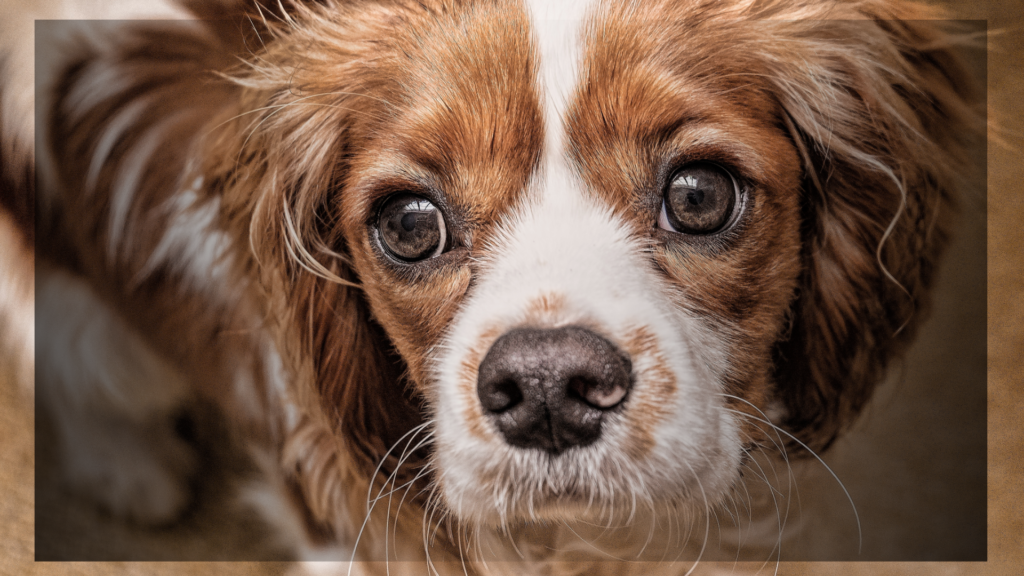
These changes do not all mean the same thing, but they provide useful information about what has changed.
That is one reason eye problems should not be diagnosed based on appearance alone. Similar symptoms can result from different conditions, and the treatment that helps one problem may be inappropriate for another.
Why Minor Eye Problems Can Become More Serious
One of the challenges with canine eye health is that dogs cannot describe discomfort before it becomes visible.
An owner may not know something is wrong until a dog begins squinting, rubbing at the face or developing obvious redness. In other cases, a condition may progress until there is a corneal ulcer, cataract or another more noticeable problem.
Even a problem that initially appears minor can become more serious when the eye remains irritated or injured.
A corneal ulcer, for example, is a scratch on the surface of the eye. It can be painful, and the longer it remains untreated, the worse the injury may become.
The cause also matters. An ulcer caused by an object remaining in the eye may require a different approach than one associated with dry eye.
That is why Dr. Espinosa cautions against assuming that all redness, discharge or irritation should be treated the same way.
Not all eye medications and disease processes are the same
he explains. “We have quite a few tests that need to be done before prescribing any drop.”
Using the wrong medication can do more than delay improvement. According to Dr. Espinosa, some drops can worsen certain eye conditions when appropriate testing has not been done first.
Dogs More Susceptible to Eye Problems
Breed and facial structure can play an important role in eye health.
Brachycephalic dogs, or breeds with shorter muzzles and flatter faces, can be more susceptible to eye problems because of their anatomy and the additional skin around the eyes.
These dogs may experience issues involving dry eye, ulcers or structural problems affecting the eyelids. In some cases, the eyelids can turn inward, a condition called entropion, allowing eyelashes or surrounding hair to irritate the surface of the eye.
Entropion can cause persistent squinting and increased tearing and may require corrective surgery.
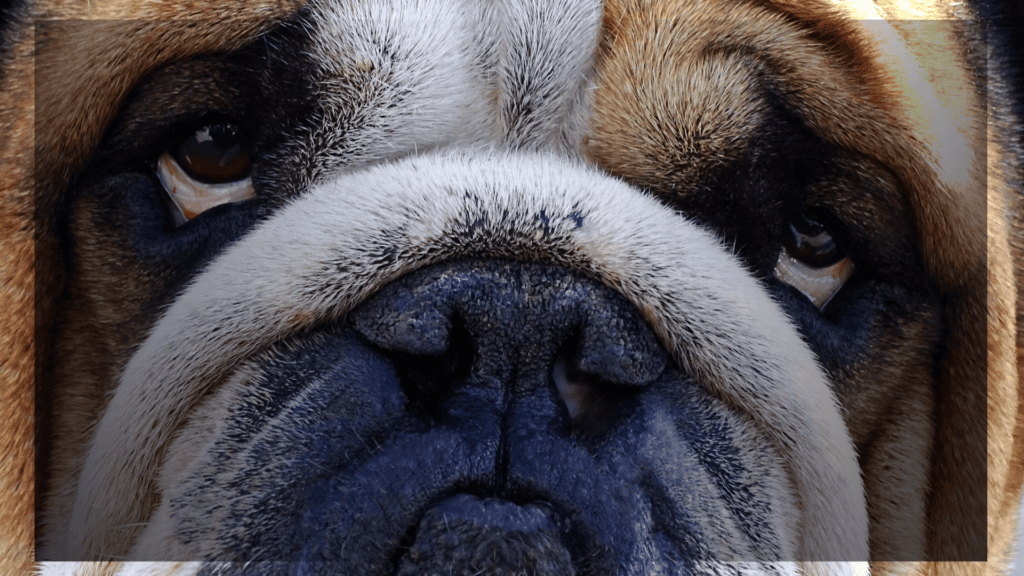
Some breeds can also develop problems involving the third eyelid, including cherry eye, where the tissue associated with the third eyelid slips from its normal position.
Facial structure can contribute to other recurring concerns as well. An eye that does not close completely may be more susceptible to dryness, while hair or surrounding tissue can create repeated irritation.
Nevada’s Dry and Dusty Environment Can Add Risk
Nevada’s dry, dusty environment can create additional challenges for dogs that spend significant time outdoors.
Wind, dust, sand, vegetation and other debris can irritate the eye. Material that enters the eye can potentially scratch the surface and contribute to infection or ulcer formation.
Outdoor activity naturally creates more opportunities for this type of exposure.
That does not mean every dog needs to avoid outdoor activities. It means owners should pay attention after hiking, playing outside or spending extended time in dusty or windy conditions.
Persistent squinting, rubbing at the face, discharge or other changes should not simply be dismissed as something that will always resolve on its own.
Eye Problems Can Sometimes Reflect Other Health Issues
Not every eye problem begins in the eye itself.
Certain underlying medical conditions can produce changes involving vision or eye pressure. Dr. Espinosa notes that diabetes and high blood pressure can be associated with eye problems, including blindness or changes involving pressure.
Other conditions can provide clues about problems elsewhere in the body. Horner’s syndrome, for example, may be associated with issues involving the inner ear, including severe infections.
This is another reason persistent or unexplained eye changes deserve an appropriate examination.
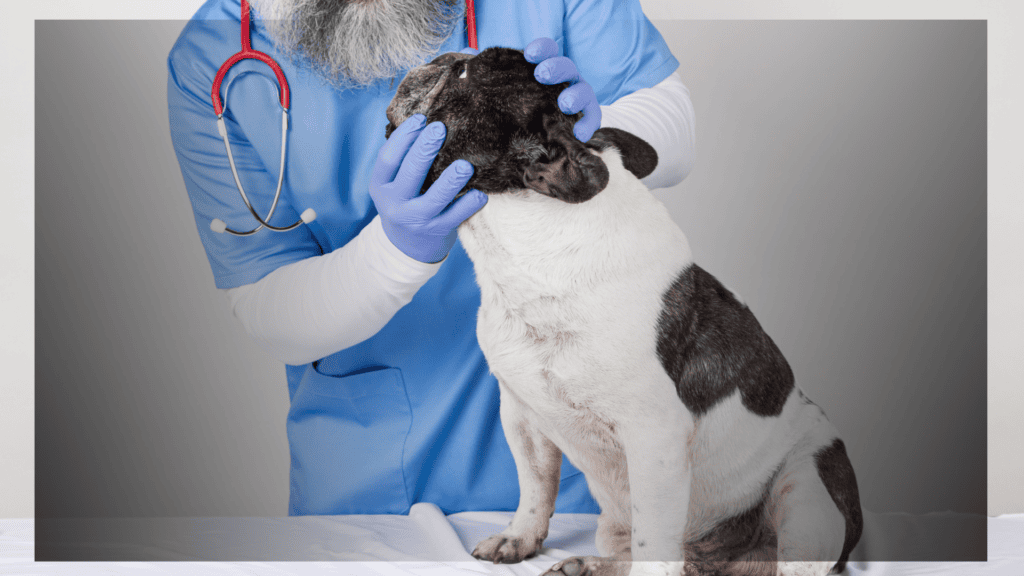
A veterinarian is not simply looking at whether the eye appears red or irritated. The examination can help determine whether the visible problem is isolated to the eye or may be connected to another condition.
The Early Signs Owners Often Miss
Drainage and crusting are among the changes owners may initially dismiss.
A small amount may not seem urgent, particularly if the dog otherwise appears normal. But persistent drainage or crusting can continue until redness and pain develop and the dog begins scratching at the eye.
Squinting is another important sign.
A dog holding one eye partially closed may have something relatively simple irritating the surface of the eye, but squinting can also indicate a deeper problem. It should not automatically be treated as ordinary irritation.
Other changes can include tearing, redness, cloudiness and changes in the overall appearance of the eye.
These signs can have a wide range of causes, from irritation and infection to aging or more significant disease processes.
Behavior can provide additional clues.
Dogs experiencing irritation or pain may rub their face against the floor or repeatedly attempt to scratch at the eye. A dog experiencing vision changes may begin walking into objects, appear off balance or hesitate to jump onto furniture they previously used comfortably.
Because these changes can develop gradually, owners may not immediately connect them to vision.
Some Serious Eye Conditions May Not Be Visible From the Outside
Not every significant eye problem causes dramatic surface changes.
Retinal detachment, for example, occurs when the retina separates from the back of the eye, interrupting its blood supply. It can cause sudden blindness without necessarily producing obvious cloudiness or redness visible from the outside.
Progressive conditions affecting the retina can also be difficult for owners to recognize.
With retinal dysplasia or progressive retinal atrophy, a dog may gradually lose vision while the outside of the eye continues to appear relatively normal. Dogs can lose night vision first, and the gradual nature of the change may make the problem difficult to recognize until vision loss becomes more advanced.
This is one reason behavior can be just as important as appearance.
A dog that begins hesitating in low light, becoming uncertain in familiar surroundings or changing the way they navigate may be showing a change that deserves veterinary attention even when the eye itself does not look dramatically different.
Why Squinting and Cloudiness Should Not Be Ignored
Squinting can indicate discomfort or pain, even when an owner cannot immediately see an injury.
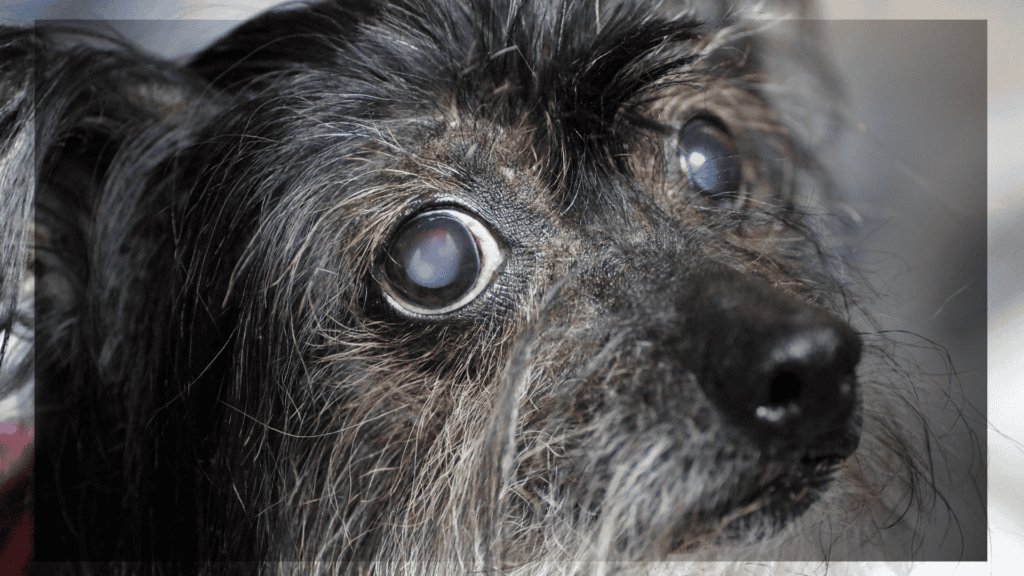
Cloudiness can also have different causes and should not be assumed to be a normal part of aging without an examination.
One potentially important concern is a corneal ulcer.
Dr. Espinosa describes a corneal ulcer as a scratch on the surface of the eye. Some ulcers may not be visible to the naked eye.
Veterinarians can use a fluorescent green or yellow stain and a specialized light to identify damage to the surface of the eye. The stain helps reveal ulceration that might otherwise be difficult to see.
The depth and cause of an ulcer can affect both treatment and urgency. An untreated injury can worsen over time, while an underlying problem such as dry eye may require additional treatment beyond addressing the ulcer itself.
How Veterinarians Evaluate an Eye Problem
When a dog presents with an abnormal or painful eye, the initial examination can involve several steps.
Veterinarians may assess whether vision appears to be present and check whether the pupils are equal and responsive to light.
Additional testing may be recommended depending on the symptoms.
Fluorescent staining can help identify corneal injuries and ulcers. Checking pressure in both eyes can help identify problems such as glaucoma. Testing the pupils’ response to light can also provide information about possible damage involving the nerves or surrounding tissues.
These tests help distinguish between conditions that can look similar from the outside.
An infection, ulcer and other eye conditions may all involve redness or discharge, but they do not necessarily require the same medication.
Why the Correct Diagnosis Matters Before Treatment
Different eye conditions can require very different treatment.
Dry eye, infection, glaucoma, cataracts, ulcers and traumatic injuries do not all respond to the same medications. Some conditions may be managed medically, while others may require surgery or specialized care.
Dr. Espinosa emphasizes that distinguishing between an ulcer and an infection can be particularly important because certain medications may worsen an ulcer and potentially cause permanent eye damage.
More obvious trauma may require a more intensive response, including sedation or surgery, depending on the injury.
For problems that do not resolve with traditional treatment or require specialized long-term care, referral to a veterinary ophthalmologist may be appropriate.
Las Vegas dog owners have access to veterinary ophthalmology specialists when a case requires more advanced evaluation or treatment.
At-Home Care and OTC Products: Where They Can Help – and Where They Cannot
Eye health is an area where Dr. Espinosa recommends particular caution with at-home products.
Unlike some other aspects of routine dog care, there are limited over-the-counter products he recommends for managing an eye problem without first determining the cause.
Products used for cosmetic tear staining, such as Angel Eyes products, may have a role in addressing appearance, but they do not replace an examination when a dog has redness, squinting, pain or other changes.
Supplements promoted for eye health may also have a place in specific circumstances, but they should not be used as a substitute for diagnosing an active eye problem.
Home remedies can delay treatment when a dog actually needs medication directed at a specific condition.
The same caution applies to human eye drops and leftover veterinary medications.

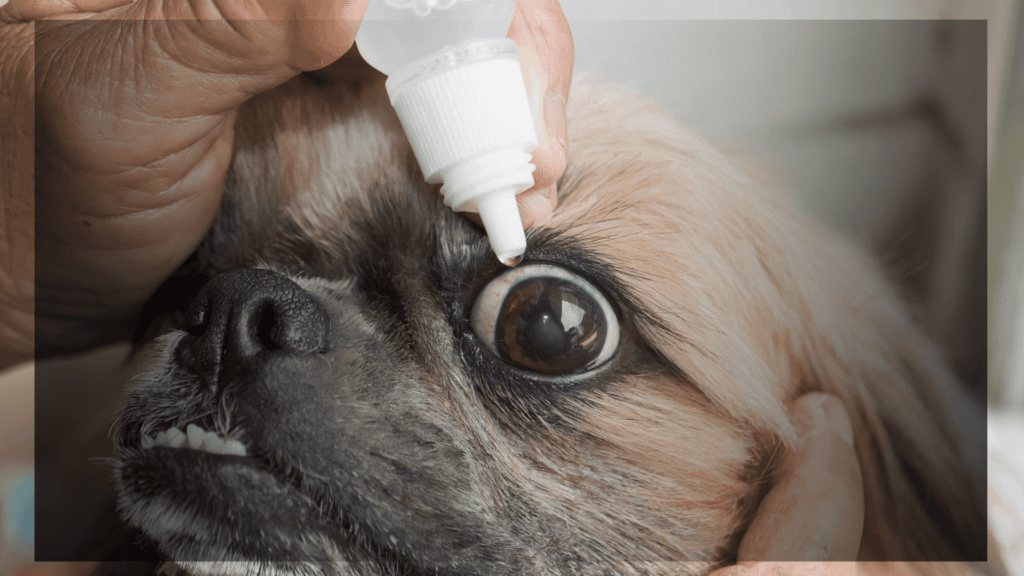
A medication that was appropriate for one problem may not be appropriate for another. Because some medications can worsen certain conditions, Dr. Espinosa advises owners to contact their veterinarian before using previously prescribed drops.
“Using the wrong drops for certain eye issues can cause permanent damage,” he says. “Please consult with your local veterinarian before administering any previously prescribed medications.”
What to Do When Something Gets Into the Eye
If an owner believes debris has entered a dog’s eye, attempting to blow into the eye can create additional problems rather than safely removing the material.
Dr. Espinosa says flushing with sterile saline may help remove debris in certain situations.
However, continued squinting, pain or other changes after the debris is removed can indicate that the eye has been scratched or remains irritated.
Owners should also avoid repeatedly manipulating the eye or attempting to remove material they cannot safely see.
An eye injury can be more significant than it appears from the outside, and continued attempts to manage it at home may cause additional irritation or delay appropriate care.
When Veterinary Care Is Necessary
Some eye changes warrant a veterinary appointment, while others should be evaluated as soon as possible.
Physical damage to the eye should receive prompt attention.
Other changes, including persistent squinting, increasing crusting or discharge and new behavioral changes, should also prompt owners to call their veterinarian and schedule an evaluation.
Certain symptoms should not be watched for several days to see whether they resolve.
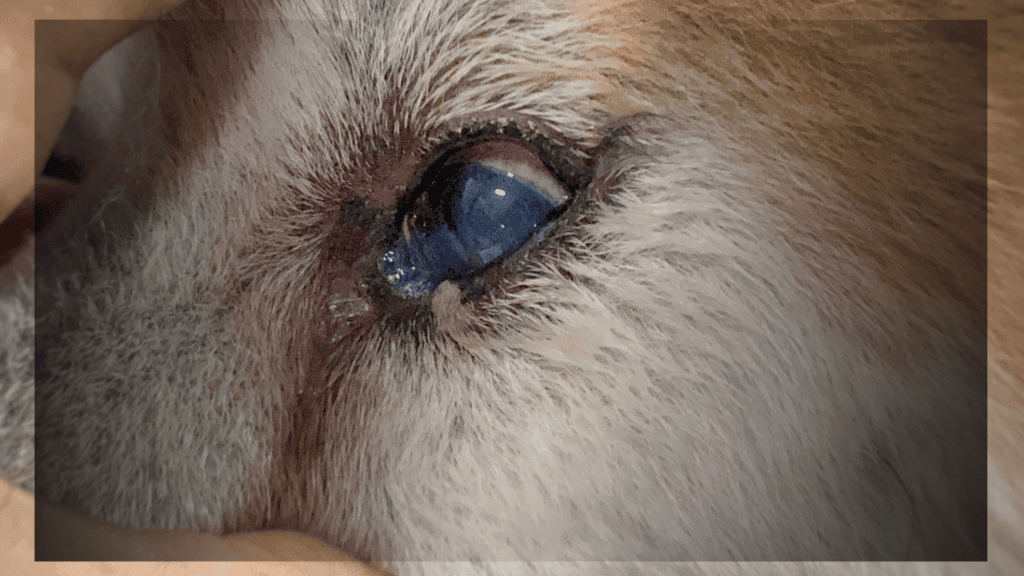
Changes involving the pupils, noticeable swelling or bulging of the eye, blood coming from the eye and abnormal discharge are particularly concerning.
Delaying treatment for a painful or injured eye can lead to additional damage, longer healing times and, in severe cases, permanent injury.
Why Waiting Can Make Eye Problems More Complicated
Dr. Espinosa says one of the most common mistakes owners make is waiting too long to seek treatment.
The decision is understandable. Veterinary costs and the uncertainty of whether a problem is serious can make owners hesitate.
But eye problems that are left untreated can become more difficult and expensive to manage when the condition progresses.
A problem that may have required a relatively straightforward treatment early can potentially require longer-term medication, more extensive intervention or specialized care later.
Pet insurance can also help owners prepare for unexpected medical expenses. Dr. Espinosa recommends discussing insurance with a veterinarian and notes that starting coverage when a dog is younger can help owners plan for emergencies that are otherwise difficult to predict.
Dr. Espinosa’s Final Perspective
For Dr. Espinosa, protecting a dog’s eyes begins with recognizing that vision and eye comfort are too important to take chances with.
Owners do not need to know whether redness is caused by irritation, infection, dry eye, an ulcer or another condition. They need to recognize when their dog’s eyes or behavior are no longer normal.
That means paying attention to changes that may initially seem small, including persistent drainage, crusting, squinting, rubbing at the face or hesitation in familiar surroundings.
It also means resisting the temptation to use leftover medication or an online remedy before understanding what is actually wrong.
A dog’s eyes can reveal much more than a temporary irritation. They can provide clues about pain, injury, vision loss and, in some cases, health problems elsewhere in the body.
Knowing what is normal and seeking care when that changes can help protect something Dr. Espinosa believes owners should never take for granted: their dog’s ability to see the world around them.
Content reflects individual opinions for general information only and is not a substitute for professional care; Dog Friendly Las Vegas is not responsible for actions taken based on this content.
Never Miss a Dog Event in Las Vegas
Get the latest dog events and top stories delivered straight to your inbox.