‘Low Risk But Not Zero’: Deadly Dog Parasite Found Near Lake Mead
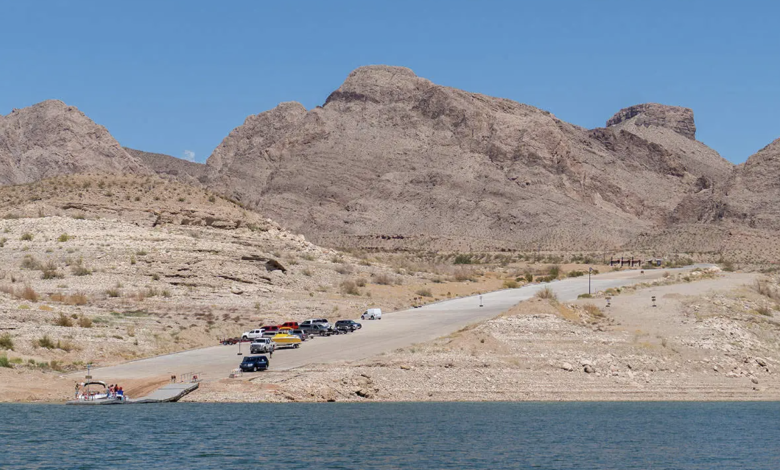
A potentially fatal parasite that has killed dogs along the Colorado River has now been detected in wildlife around Lake Mead and Lake Mohave.
Researchers confirmed its presence in raccoons near the popular recreation areas, raising fresh concerns for Southern Nevada pet owners.
However, scientists stress this is not a horror-movie “don’t go in the water” moment — at least not yet.
Protect Your Pet with Odie Pet Insurance
Odie offers customizable pet insurance and wellness plans that help cover vet bills for accidents, illnesses, and routine care.
Here is what was actually found, how the parasite spreads, and what it really means for Las Vegas dogs who love the water.
What Was Found At Lake Mead And Mohave
Scientists working with the National Park Service detected DNA evidence and eggs of Heterobilharzia americana, a freshwater parasite, in raccoon feces collected near Lake Mead and Lake Mohave.
Raccoons are the parasite’s primary natural host and act as a reservoir, helping maintain it in the environment.
The discovery confirms the parasite’s life cycle is now present somewhere within the lake system.
However, officials say the overall risk to dogs in the main open basins of Lake Mead currently appears “quite low.”
Discover Your Dog’s Breed, Family, and History
The Embark Breed ID Test screens for 400+ dog breeds with up to 99% accuracy, giving you a detailed breakdown of your dog’s ancestry.
That is because the parasite must infect specific freshwater snails before it can spread to dogs, and those snail species appear to exist only in limited, vegetated or river-like pockets around the lakes rather than across the entire reservoir.
In simpler terms: the parasite is in the system, but the conditions that triggered dog outbreaks elsewhere have not been widely documented around Las Vegas.
What Is Heterobilharzia Americana?
Heterobilharzia americana is a blood fluke, a type of parasitic flatworm that causes canine schistosomiasis.
Historically, it was most common in Gulf Coast states like Texas and Louisiana.
Over the past decade, however, it has steadily moved west and north.
Here is how its life cycle works:
Adult worms live in the blood vessels of raccoons, dogs, and other mammals.
Eggs pass into feces, hatch in freshwater, and infect specific snails such as Galba humilis.
The snails release microscopic larvae back into the water.
Those larvae can penetrate a dog’s skin or be swallowed when the dog swims or drinks.
Without the right snail species, the parasite cannot spread.
That is why snail surveys matter so much when officials assess whether a lake is high risk or relatively safe.
How It Spread Along The Colorado River
The parasite’s westward expansion has unfolded in stages.
In 2018, twelve dogs in Moab, Utah were diagnosed after swimming in a man-made pond.
Investigators found infected snails and raccoon feces containing parasite eggs.
Between 2019 and 2023, multiple dog infections were linked to the Colorado River near Blythe, California.
Scientists later confirmed both the parasite and its snail hosts were established there.
Some of those infected dogs died despite treatment.
The new findings near Lake Mead and Lake Mohave suggest the parasite is continuing to move along the Colorado River watershed, slowly extending into Southern Nevada’s recreation corridor.
How Sick Can Dogs Get?
Canine schistosomiasis can be subtle at first, which makes it dangerous.
Common early signs include gradual weight loss, decreased appetite, lethargy, vomiting, and chronic diarrhea.
Some dogs develop blood in the stool.
Others show signs of liver damage.
Because the symptoms mimic inflammatory bowel disease or even cancer, cases are often misdiagnosed.
Standard fecal tests frequently miss the parasite unless vets specifically order sedimentation testing or PCR screening.
When caught early, treatment with praziquantel and fenbendazole can be effective.
Delayed diagnosis, however, can lead to severe organ damage, and in some cases, euthanasia.
Should Las Vegas Dog Owners Be Worried?
Lake Mead has made headlines before for rare but frightening pathogens, including Naegleria fowleri, the so-called “brain-eating amoeba.”
Public health agencies have consistently emphasized that such organisms occur naturally in warm freshwater and that individual risk remains low.
The situation with Heterobilharzia americana appears similar, present, but not widespread at this stage.
There have been no public reports of clusters of infected dogs tied directly to Lake Mead or Lake Mohave.
Officials say the limited distribution of suitable snails is a key reason the current risk is considered low.
But experts also caution that absence of reported cases does not equal zero risk, especially given the disease’s slow, easily missed progression.
How To Lower The Risk Without Giving Up The Lake
Most experts are not telling dog owners to abandon freshwater fun entirely.
Instead, they suggest smart, practical precautions.
Avoid shallow, warm, slow-moving coves thick with reeds or cattails.
Be cautious in vegetated backwaters where snails are more likely to thrive.
Limit how much untreated lake or river water your dog drinks.
Bring plenty of fresh water so your dog is less tempted to gulp from the shoreline.
Rinse your dog off after swimming.
Prevent scavenging of raccoon feces, which plays a role in the parasite’s life cycle.
If your dog develops unexplained weight loss, chronic diarrhea, or liver-related symptoms within six to twelve months of Colorado River exposure, mention this parasite specifically to your veterinarian and ask about targeted testing.