Jason Kelce Questions Halftime Dog Frisbee Acts, Sparking Discussion on Animal Performances
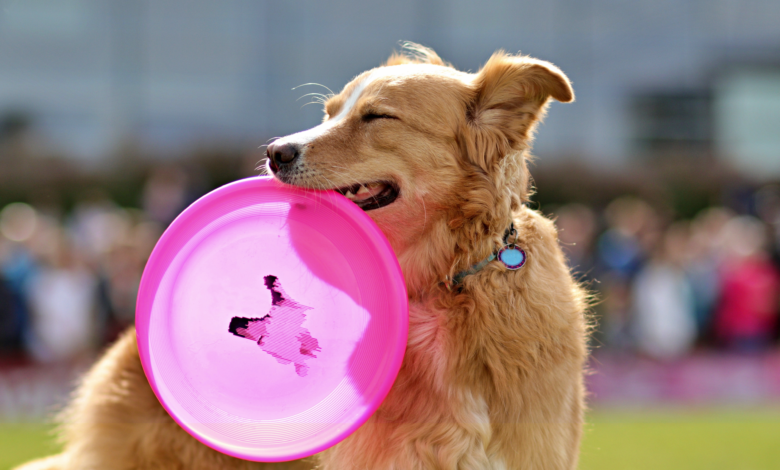
A recent comment from former NFL center Jason Kelce has sparked an unexpected conversation in both sports and dog-loving circles. On his podcast New Heights, Kelce openly shared his frustration with what he sees as a stale halftime tradition: dogs catching frisbees. His blunt remarks quickly made headlines, reigniting debate about whether these canine performances are outdated — or simply misunderstood.
While Kelce’s delivery was intentionally provocative, detailed today by Fox News, the moment raises a bigger question worth exploring: why have dogs, and especially frisbee dogs, become such a fixture in sports entertainment — and do they still deserve the spotlight?
How Dogs Became a Halftime Staple
Canine halftime performances didn’t appear out of nowhere. Frisbee dog competitions date back to the 1970s, when a spontaneous performance at a Los Angeles Dodgers game helped launch the sport into the mainstream. What followed was decades of refinement, athletic training, and formal competition, eventually earning frisbee dogs spots at NFL, MLB, and college sporting events.
Protect Your Pet with Odie Pet Insurance
Odie offers customizable pet insurance and wellness plans that help cover vet bills for accidents, illnesses, and routine care.
These performances weren’t just crowd fillers. They were carefully choreographed demonstrations of speed, agility, timing, and trust between dog and handler. For many fans, especially families, they offered a moment of joy and accessibility during otherwise intense sporting events.
More Than “Just Catch”
At their best, frisbee dog performances highlight canine athleticism and positive, reward-based training. Many of the dogs seen at halftime come from rescue backgrounds or participate in ambassador programs that promote adoption, responsible ownership, and humane training methods.
There have also been standout moments that pushed the act beyond novelty. In 2019, a dog named Eurie set a world record with an 83-yard frisbee catch during a professional football game — an achievement that underscored just how demanding and impressive the sport can be.
Halftime Has Always Been a Testing Ground
Halftime entertainment has never followed one formula. Over the years, fans have seen marching bands, acrobats, motocross stunts, rodeo-style mutton busting, musical performances, and yes — dogs. The mix reflects shifting tastes and the challenge leagues face in entertaining a broad audience in a short window.
Kelce’s comments echo a familiar tension: longtime viewers craving something new versus traditions that still resonate with many fans. Even his own example — children riding sheep during a recent Denver Broncos halftime — sparked mixed reactions, proving there’s no universal crowd-pleaser.
Discover Your Dog’s Breed, Family, and History
The Embark Breed ID Test screens for 400+ dog breeds with up to 99% accuracy, giving you a detailed breakdown of your dog’s ancestry.
Why Dogs Still matter on the Field
For dog lovers, halftime dog acts aren’t just entertainment — they’re representation. Seeing dogs celebrated for skill, partnership, and joy helps normalize dogs as athletes, companions, and valued members of our communities. In some cases, these performances introduce audiences to canine sports they didn’t know existed, from disc dog competitions to agility and dock diving.
In a world where dogs are often discussed only in the context of problems or policies, moments of positive visibility still carry weight.
Evolution, Not Elimination
The conversation Kelce sparked doesn’t have to be about removing dogs from halftime — it can be about evolving how they’re featured. Creative formats, storytelling around the dogs, rescue tie-ins, or showcasing lesser-known canine sports could keep performances fresh while honoring their legacy.
Dogs catching frisbees may not excite everyone anymore, but for many fans — and many dogs — it remains a celebration of partnership, athleticism, and joy. And in a stadium full of noise and pressure, that kind of connection still has a place.