
Rescue Dogs Lost During Transport Highlight Growing Safety and Community Challenges Nationwide
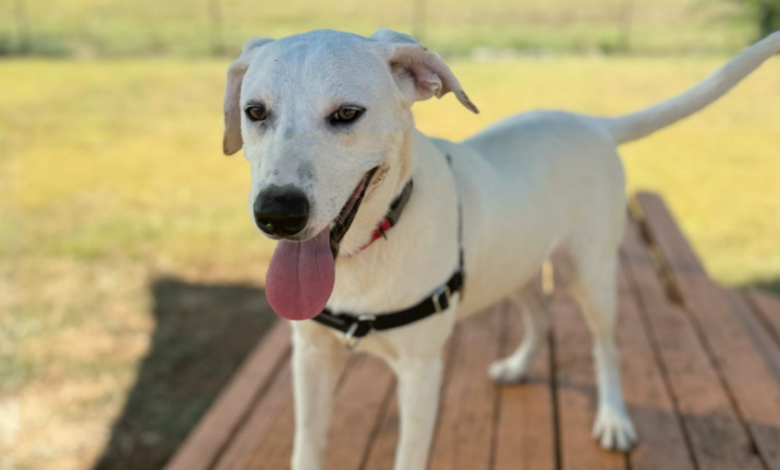
Rescue dogs traveling long distances to reach their forever homes face a unique set of risks — especially during transport across unfamiliar terrain. Two recent, widely shared stories reported by 11Alive and PEOPLE underscore how quickly things can go wrong, and how coordinated community response can mean the difference between tragedy and a safe reunion.
Ambrose – A Timid Dog Lost on the Way to a New Life
According to coverage by 11Alive, a one-year-old rescue dog named Ambrose went missing on December 21 while being transported from Texas to his adoptive home in Illinois. Ambrose had been adopted from the Bulverde Area Humane Society and was just hours into his journey when he became separated from his transport team at a welcome center along Interstate 44 in Joplin, Missouri.
Ambrose is described as sweet but extremely fearful, weighing about 45 pounds and currently in what rescuers call “survival mode.” While microchipped, his instinct is to flee from people rather than seek help, making traditional search efforts more complicated. Since his disappearance, there have been no confirmed sightings.
Emergency Rescue Consultancy, a nonprofit specializing in the recovery of lost dogs, is leading the effort to bring Ambrose home. They are asking the public to help in a very specific way: by observing, not approaching. Anyone who sees Ambrose is urged to quietly note the location, time, direction of travel, and behavior, then report that information directly to ERC at (417) 619-1076. Sharing exact locations publicly is discouraged to avoid overwhelming the area and further frightening the dog.
Abbie – A Different Outcome, Thanks to Technology and Teamwork
A separate case, reported by PEOPLE, shows how the right combination of planning, technology, and collaboration can lead to a successful recovery. Abbie, a golden retriever mix, escaped during a rest stop while traveling from a South Carolina shelter to her adoptive home in Maine. She ran an estimated 26 miles before being located.
Unlike Ambrose, Abbie was wearing an AirTag, which helped narrow the search area. Final Victory Animal Rescue worked alongside local law enforcement and the USAR Drone Team, a veteran-led nonprofit search-and-rescue organization. Using thermal imaging, the drone team located and secured Abbie in just minutes during an overnight search.
Abbie was treated for injuries at a New Jersey veterinary hospital and is now safe, a result made possible by coordinated efforts across multiple agencies and community partners — many of whom had no prior connection to the dog or her rescue.
What These Stories Reveal About Rescue Transport Risks
Long-distance rescue transports are common, especially in regions where shelters are overcrowded and adoptive homes are located out of state. While these efforts save lives, they also introduce vulnerabilities. Rest stops, unfamiliar environments, stress, and fear can all contribute to escape risks, particularly for shy or undersocialized dogs.
These incidents highlight the importance of layered safety measures, including secure transport protocols, redundant identification such as microchips paired with GPS trackers, and trained handlers who understand canine flight behavior. They also show how quickly situations can escalate when a dog is lost far from home or any known territory.
The Role of Community in Bringing Dogs Home
Both cases demonstrate that community involvement plays a critical role in recovery — whether the outcome is still unfolding or successfully resolved. For fearful dogs like Ambrose, restraint and accurate reporting are essential. For dogs like Abbie, coordinated searches involving technology, professionals, and local authorities can dramatically improve outcomes.
For Southern Nevada dog lovers, these stories serve as an important reminder. Whether supporting rescue transports, fostering, or simply staying informed, community awareness matters. Knowing how to respond when a lost dog is spotted — and when not to intervene directly — can help protect already vulnerable animals.
Looking Ahead
As rescue networks continue to expand across state lines, transport safety and public education remain essential. These stories are not just isolated incidents; they reflect systemic challenges within rescue logistics and the extraordinary efforts required to overcome them.
For Ambrose, the search continues. For Abbie, the journey ended safely because people paid attention, followed guidance, and worked together. In both cases, the message is clear: informed communities save lives.