
Viral Adoption Dispute Highlights Challenges Inside Selter Intake and Adoption Systems
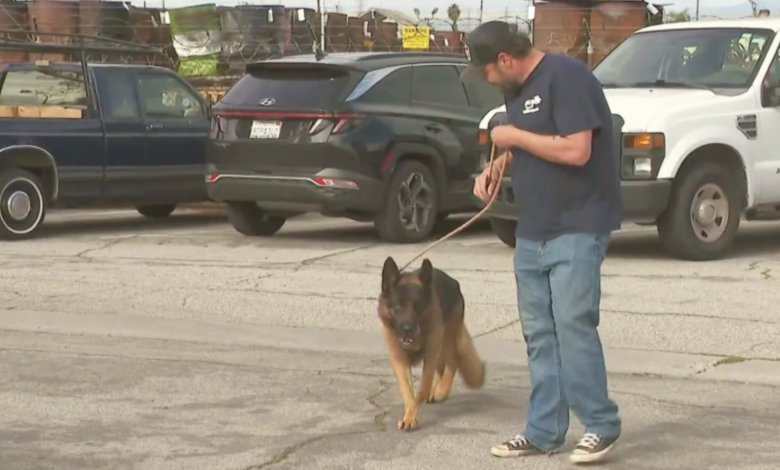
A cross-country rescue effort, a revoked adoption approval, and a 500-mile drive that ended empty-handed quickly became a viral flashpoint — not because of one dog, but because of the complex realities inside modern shelter intake and adoption systems.
The situation, first reported by KTLA, centers on a German Shepherd mix named Sherman and an adopter known online as “Doge Van,” whose rescue-focused travels are followed by more than 18,000 people across social media.
A Long Drive Taken on Confirmation
On January 5, 2026, Doge Van began a roughly 500-mile drive to Southern California after being approved to adopt Sherman from the Downey Animal Care Center. The adoption had already been processed, and Sherman was listed as cleared.
After hours on the road, Van arrived at the shelter expecting to complete the adoption and immediately transport the dog to a new home in Kentucky.
Instead, he was told the adoption could not proceed.
When Internal Records Don’t Align
According to shelter staff, Sherman’s adoption approval had been issued prematurely due to a clerical error within the shelter’s internal documentation.
While one note reflected positive behavior, other records indicated the dog had experienced behavioral incidents during intake and still required a formal behavioral assessment before being released.
Shelter employees informed Van that Sherman’s clearance had been mistakenly marked complete, leaving staff unable to legally or ethically release the dog at that time.
Van left the shelter without Sherman.
The Video That Sparked National Attention
Van filmed the interaction and shared the experience on X, where the video spread rapidly, drawing millions of views within 24 hours and igniting widespread frustration among viewers.
The public response focused heavily on the emotional and logistical toll — the long-distance drive, the expectation that the adoption was finalized, and the sudden reversal upon arrival.
What Shelter Offials Later Clarified
In response to the attention, Downey Animal Care Center officials provided additional context to KTLA.
Joseph Navarrete, the shelter’s manager, explained that while Sherman had shown improvement over time, the dog had experienced two behavioral incidents that still required review.
“In one of our notes, it showed that he had good behavior,” Navarrete said, “but he had two other incidents where he showed bad behavior and the adoption was processed prematurely.”
The shelter emphasized that behavior ratings can change as dogs decompress and receive care, but those changes do not automatically eliminate the need for formal assessments.
Addressing Claims of Euthanasia Risk
Van initially stated online that Sherman had been scheduled for euthanasia due to behavioral concerns. Shelter officials later said this was not accurate.
In a statement, the Los Angeles County Department of Animal Care and Control clarified that Sherman was not facing euthanasia and that the pause in adoption was solely related to safety and assessment requirements.
Officials confirmed that Sherman’s behavior rating was adjusted from a 3 to a 2 after decompression and medical care, but noted that this adjustment did not remove the need for a formal evaluation.
A Second Review and a Different Outcome
Following the viral attention, the shelter expedited Sherman’s assessment.
On January 6, Van returned to the Downey Animal Care Center — this time leaving with Sherman approved for adoption. The dog is now traveling to a permanent home in Kentucky.
Why Situations Like This Happen
Shelters across the country manage large intakes while balancing animal welfare, public safety, and transparency. Dogs often arrive under extreme stress, and behavior observed during intake can shift significantly over time.
Multiple staff members, overlapping documentation systems, and evolving behavioral notes can create gaps — particularly when adoptions move quickly or involve long-distance coordination.
Shelter officials stressed that assessments are designed to prevent unsafe placements, even when outcomes are emotionally difficult or publicly scrutinized.
Broader Implications for Adopters and Shelters
While this incident occurred in Southern California, the underlying challenges are not unique. Shelters nationwide — including those serving Southern Nevada — rely on evolving behavior scoring systems that require careful review before adoption.
The case highlights the importance of clear communication, accurate record alignment, and realistic expectations when adoptions involve travel, social media visibility, or dogs with complex histories.
In the end, Sherman was placed — but not without revealing how fragile the balance can be between urgency, compassion, and safety inside shelter systems.