Recent posts circulating on social media have raised concerns about dogs becoming seriously ill after eating rotisserie chicken. While these stories are deeply upsetting, they also highlight an important issue many dog owners may not realize: foods that seem harmless to humans can pose real risks to dogs, especially when they are heavily seasoned, fatty, or cooked in ways that make them unsafe for canine digestion.
Rotisserie chicken is not considered “toxic” in the same way foods like chocolate or grapes are, but there are several well-documented reasons it can still pose serious risks for dogs. Factors such as high fat content, added seasonings, preservatives, and cooked bones can create dangerous complications, particularly when consumed unexpectedly or in combination.
The Hidden Risks in Rotisserie Chicken
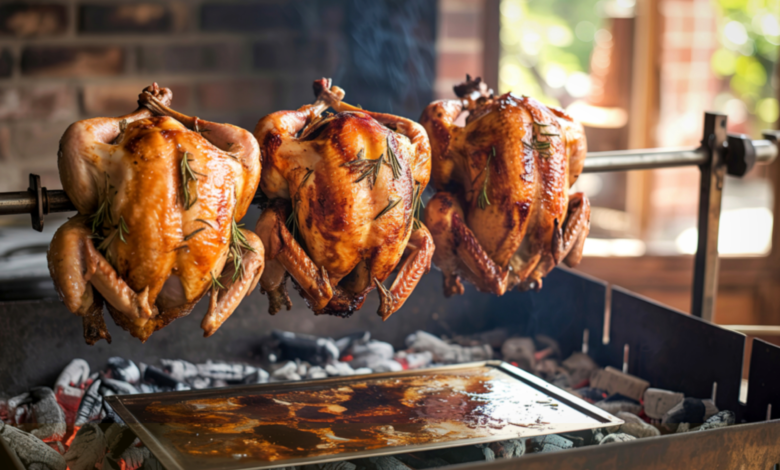
Rotisserie chickens sold at grocery stores are typically prepared with added salt, spices, garlic, onion powder, and preservatives. Many of these ingredients can irritate a dog’s gastrointestinal system or, in some cases, contribute to more serious conditions.
Protect Your Pet with Odie Pet Insurance
Odie offers customizable pet insurance and wellness plans that help cover vet bills for accidents, illnesses, and routine care.
High fat content is one of the biggest concerns. The skin and dark meat are especially fatty, and sudden ingestion of rich foods can trigger pancreatitis, a painful and potentially life-threatening inflammation of the pancreas. Symptoms often include restlessness, vomiting, diarrhea, abdominal pain, loss of appetite, and weakness, and they can escalate quickly.
Cooked chicken bones are another serious risk. Unlike raw bones, cooked bones become brittle and can splinter. Even small fragments can cause choking, internal punctures, intestinal blockages, or tears that require emergency surgery.
Seasonings also matter. Garlic and onion, whether fresh or in powdered form, are known to damage red blood cells in dogs and can lead to anemia over time or after sufficient exposure. While a small amount may not affect every dog the same way, sensitivity varies widely based on size, health, and underlying conditions.
Why Some Dogs React More Severely Than Others
Not every dog who eats rotisserie chicken will become ill, which can create a false sense of safety. Dogs with underlying health issues, smaller dogs, senior dogs, or those with sensitive digestive systems are often at higher risk. Even healthy dogs can have severe reactions depending on the quantity consumed, the specific ingredients used, and how quickly symptoms develop.
Veterinarians frequently caution that dogs may appear “fine” initially, only to show serious symptoms hours later. By the time those symptoms are obvious, the condition may already be advanced.
Discover Your Dog’s Breed, Family, and History
The Embark Breed ID Test screens for 400+ dog breeds with up to 99% accuracy, giving you a detailed breakdown of your dog’s ancestry.
What To Do If Your Dog Eats Rotisserie Chicken
If your dog consumes rotisserie chicken, especially with skin, bones, or seasoning, it’s important to monitor closely for signs of distress. These can include pacing, restlessness, vomiting, diarrhea, refusal to eat, trembling, difficulty standing, or visible abdominal pain. If any of these symptoms appear, contacting a veterinarian immediately is critical.
Early intervention can make a significant difference, particularly in cases involving pancreatitis or gastrointestinal obstruction.
Safer Alternatives for Sharing Food
For dog owners who want to share food safely, veterinarians generally recommend plain, unseasoned, boneless chicken that is boiled or baked without oils, salt, or spices. Even then, it should be offered in moderation and as an occasional treat, not a dietary staple.
Commercial dog treats and foods formulated specifically for canine nutrition remain the safest option for rewarding or supplementing a dog’s diet.
A Reminder for Dog-Friendly Communities
Stories like the one circulating online serve as a painful reminder that well-intentioned actions can sometimes have unintended consequences. In dog-friendly homes, workplaces, gatherings, and businesses, it’s important to be clear about what dogs should and should not be fed, especially by people who may not be familiar with canine dietary risks.
When it comes to dogs and human food, caution is always the better choice. What seems small and harmless to us can have serious effects on them, and understanding those risks is one of the most important ways we can protect the dogs we love.