Barrier-Free Adoption and the Realities That Challenge It
When you walk through Dogtown at Best Friends Animal Sanctuary in Kanab, Utah, it’s hard not to feel awe. The quiet hum of volunteers. The sunlight across the red rocks. The dogs — seniors, shy rescues, reactive pups — each with their own space, care plan, and patient human advocates.
Sanctuary to Solutions
It’s a place that runs on compassion, not bureaucracy. But as the recent tragedy in Las Vegas reminds us, compassion and caution sometimes collide — and how shelters navigate that tension could shape the future of adoption policy itself.
What Barrier-Free Adoption Really Means
At Best Friends, “barrier-free adoption” isn’t a shortcut. It’s a shift in philosophy.
Traditional sheltering models often rely on checklists, background checks, and rigid standards: fenced yards, income verification, prior vet history, even home inspections.
The intention, of course, is safety — ensuring each dog goes to a responsible, stable home.
But as Ramon Villatoro, Director of Dogtown, explains, these rules can also create obstacles that delay or prevent adoptions entirely. “Many of these barriers give you a snapshot, but they don’t tell the whole story,” he says.
We start from a place of trust. Most adopters want to do the right thing — our job is to support them, not gatekeep.
At Dogtown, adoptions happen through conversation, not interrogation. Instead of asking, “Do you have a fence?” they ask, “How will you make sure your dog gets safe outdoor time?” Instead of denying a single person who works full-time, they ask, “Who’s your backup for mid-day walks or care?”
It’s a model built on trust and follow-through — not red tape.
Connection Over Caution and Results So Far
The data is promising. Best Friends reports that dogs once labeled “unadoptable” — for age, breed, or behavioral reasons — are now thriving in homes that might once have been denied.
Fostering programs play a big part. By placing dogs in short-term homes, caregivers learn how each dog behaves outside a kennel: their quirks, fears, and joys. That insight leads to more successful, lasting placements.
“We provide a lifetime guarantee,” says Michelle Sathe, Best Friends’ PR and Marketing Strategist. “If an adoption doesn’t work out, the dog comes back to us — no judgment. That adopter still did a good thing by giving the dog a chance.”
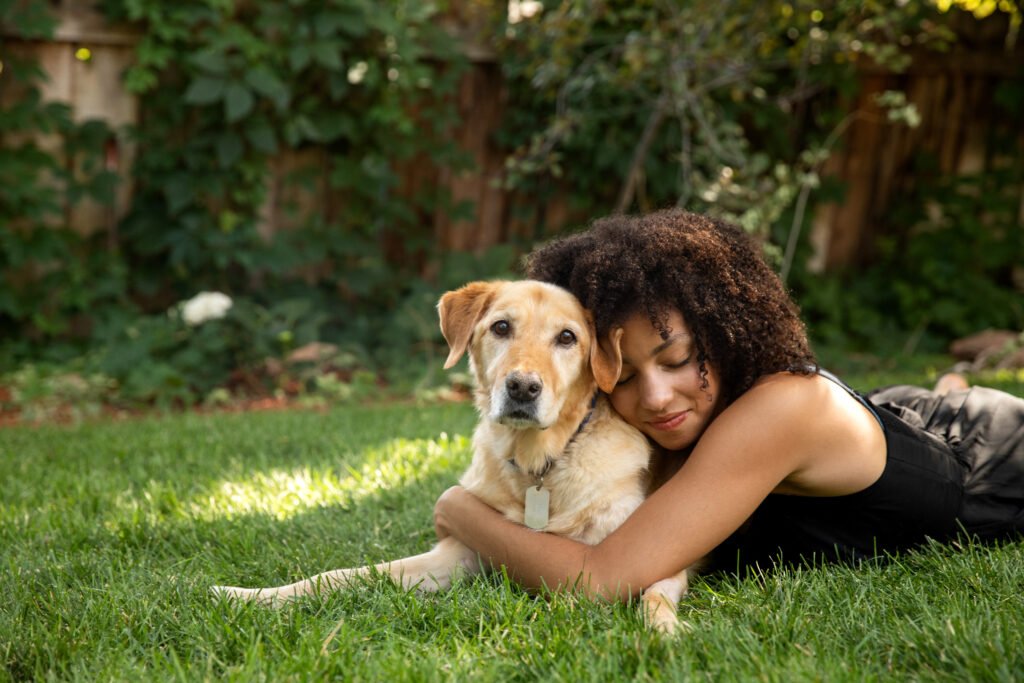
It’s hard not to admire the humanity of that approach. But in Las Vegas, a horrific recent case raises a haunting question: What happens when trust is misplaced?
When Trust Breaks – The Tragedy of Rabbit and Canela
In May 2025, a Las Vegas man adopted two dogs — Ribbit, a pit bull featured in a local adoption spotlight, and Canela, a German Shepherd. Within weeks, both dogs were found dead in separate locations under disturbing circumstances.
Despite visible injuries and suspicious timelines, no necropsies were performed, and no criminal charges were filed. The adopter was issued only citations. For many advocates and rescuers, it was unthinkable.
“This isn’t about one adopter,” said local animal advocate Tracy Paz. “It’s about a system where animals can fall through the cracks because we’ve made adoption easier — but not necessarily safer.”
The story ignited outrage. Community members began calling for mandatory background checks, post-adoption follow-ups, and stricter vetting protocols. For shelters already stretched thin, those demands raise hard questions: How do we protect animals without creating barriers that prevent them from being adopted at all?
Compassion vs. Control
The tragedy of Ribbit and Canela isn’t a failure of compassion — it’s a failure of systems.
Shelters like The Animal Foundation process 10,000+ adoptions a year with limited staff, relying on shared databases to flag potential risks. Yet databases only capture what’s documented — not what’s possible.
Advocates for stricter screening argue that trust alone isn’t enough. “Adoption is a privilege, not a right,” one volunteer posted online after the case. “We owe it to these animals to know who we’re handing them to.”
But organizations like Best Friends caution against policies that unintentionally punish good adopters or slow the process for dogs who need out of overcrowded shelters now.
Barriers can mean the difference between life and death for a shelter dog,
Villatoro reminds us. “The answer isn’t to block people — it’s to support them.”
A Search for Middle Ground
So what does the middle ground look like?
Experts across the animal welfare spectrum agree: it’s about balance — and resources.
Barrier-free adoption doesn’t have to mean blind adoption.
Some shelters are experimenting with hybrid approaches:
- Conversation-based screening, but paired with quick digital background checks for prior cruelty cases.
- Mandatory check-ins within the first 30 days post-adoption.
- Tiered support programs, where first-time adopters receive additional training or follow-up.
- Public education campaigns about responsible adoption, safety, and reporting.
These models preserve the spirit of Best Friends’ philosophy — trust and access — while addressing community concerns about safety and accountability.
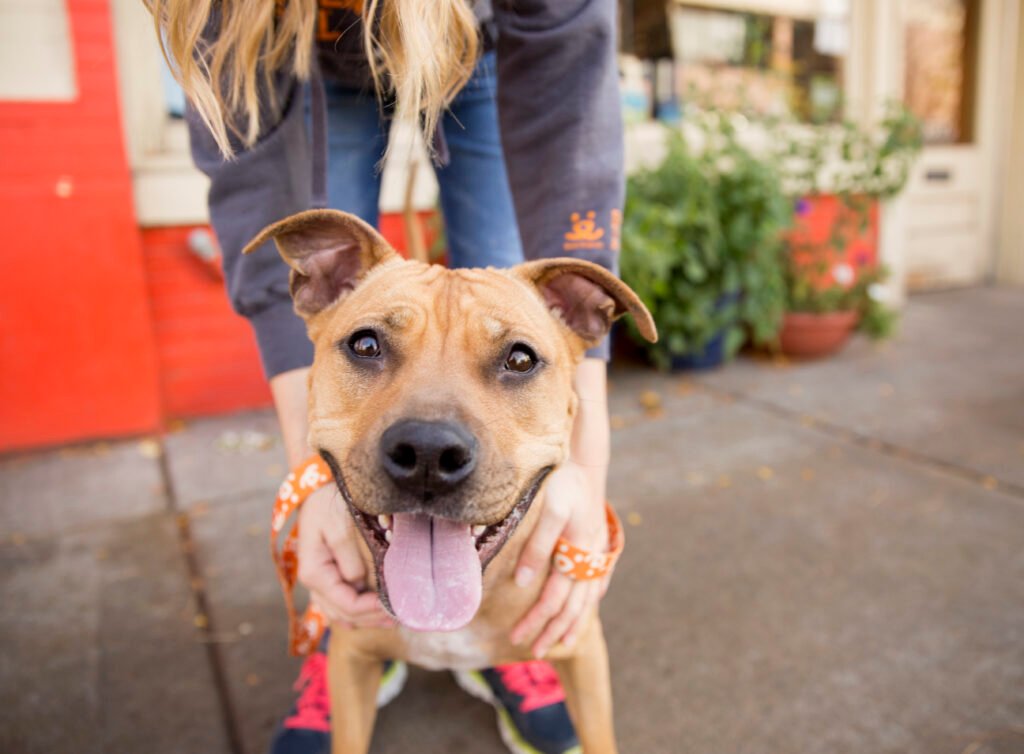
It’s the same philosophy that guides Best Friends’ network partner shelters across the country: Don’t punish the majority for the failures of a few — but don’t ignore those failures, either.
A System Under Strain and The Larger Picture
The conversation around Ribbit and Canela’s deaths exposes more than one tragedy. It reveals a shelter system at a breaking point.
In 2024, The Animal Foundation euthanized over 2,000 dogs and 1,300 cats, even as intakes surged 60% since 2020. Staff burnout is rampant, resources are thin, and housing insecurity across the valley continues to displace pets daily.
Against that backdrop, barrier-free adoption isn’t a radical ideal — it’s a lifeline.
But it must be paired with accountability and community partnership if it’s going to work.
As Best Friends continues to prove in Kanab, compassion doesn’t have to come at the expense of safety. It just has to be designed intentionally — with data, follow-up, and education at every level.
Questions Worth Asking
As Nevada shelters, policymakers, and advocates continue to push toward a no-kill future, this moment offers a critical opportunity for reflection.
- How do we ensure every adopter is supported — not just approved?
- Should necropsies be required in all post-adoption deaths to ensure transparency?
- Could digital databases or AI-driven background checks help shelters screen more efficiently?
- What role should the community play in reporting concerns or providing education?
- How do we expand trust without eroding safety?
The Path Forward
The future of no-kill depends on finding equilibrium between trust and responsibility.
Barrier-free adoption, as practiced at Best Friends, demonstrates what’s possible when compassion leads. But the heartbreak of Ribbit and Canela reminds us what’s at stake when systems fail to follow through.
In the end, both sides want the same outcome — a world where every dog finds safety, love, and a lasting home. The path forward lies not in more walls or fewer rules, but in smarter systems, stronger communities, and open, ongoing conversations.
Because saving them all isn’t just a mission. It’s a promise — one that requires both heart and accountability.
Content reflects individual opinions for general information only and is not a substitute for professional care; Dog Friendly Las Vegas is not responsible for actions taken based on this content.
Never Miss a Dog Event in Las Vegas
Get the latest dog events and top stories delivered straight to your inbox.