
Do Thousands of Dogs Really Roam Free in Costa Rica? The Truth Behind a Viral Sanctuary Story
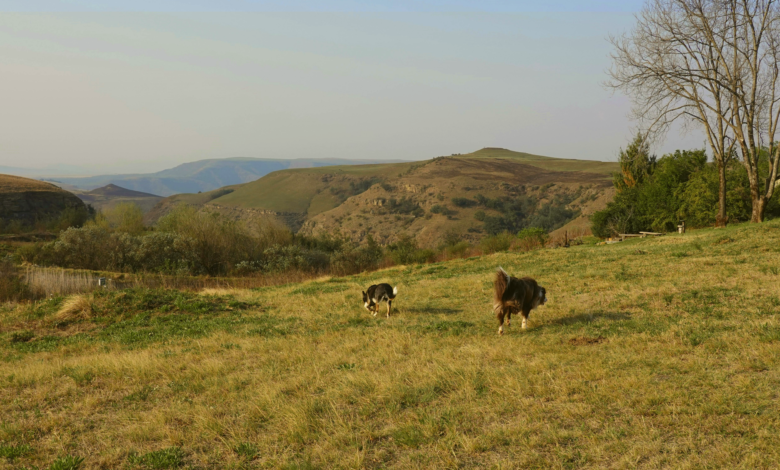
Every so often, a viral social media post stops dog lovers in their tracks. The latest claim circulating online says that more than 1,800 dogs roam freely in a no-kill sanctuary in Costa Rica, living together without kennels, fences, or confinement.
It’s a powerful image, and like many viral animal stories, it’s rooted in truth — but simplified enough to miss what actually makes this rescue model work.
The Sanctuary at the Center of the Story
The sanctuary most often referenced in these posts is Territorio de Zaguates, also known as Land of the Strays, located in Costa Rica’s Central Valley. It is one of the most well-known free-roaming dog rescue operations in the world.
Territorio de Zaguates operates very differently from traditional shelters. Dogs live together on a large, enclosed property rather than in individual kennels, forming social groups and moving freely throughout the land. The goal is to give rescued dogs a high quality of life while they wait for adoption, rather than simply housing them short-term.
Where the Numbers Get Misleading
Social media posts often claim that 1,800 or more dogs live freely at the sanctuary at all times. In reality, the organization has rescued and rehomed thousands of dogs over the years, but the number of dogs living on-site at any given time is typically much lower.
Depending on the period, reports and official statements suggest the resident population usually ranges from several hundred to just over a thousand dogs. The number fluctuates constantly as dogs are adopted, transferred, or receive medical care elsewhere.
While the viral figure exaggerates the daily population, the scale of the operation is still extraordinary by any standard.
How a Free-Roaming Model Actually Works
Despite appearances, Territorio de Zaguates is not unstructured. The dogs are spayed and neutered, receive veterinary care, and are closely monitored by staff and volunteers. Feeding happens at organized stations, and the property is fenced and managed to prevent dogs from wandering into surrounding communities.
Behavioral compatibility is carefully observed, and dogs that need special care are separated when necessary. International adoptions play a major role in keeping the population manageable, with many dogs finding homes outside Costa Rica.
The success of this model relies on consistent funding, experienced leadership, and a strong global support network — not simply open land.
Why Costa Rica Makes This Possible
Costa Rica’s climate allows dogs to live outdoors year-round without facing extreme cold or heat conditions seen in other parts of the world. Large rural properties are more accessible, and animal welfare laws support spay-and-neuter efforts that reduce overpopulation.
Tourism has also helped amplify the sanctuary’s visibility, bringing in donations and international adopters who help sustain the operation long-term.
What This Means for Las Vegas Dog Lovers
A sanctuary like Territorio de Zaguates would be extremely difficult to replicate in Southern Nevada. Extreme summer temperatures, zoning restrictions, land costs, and liability concerns make large-scale free-roaming models challenging in desert environments.
However, the philosophy behind the sanctuary still resonates locally. Many Las Vegas rescues already incorporate elements of this thinking through foster-based programs, dog playgroups, enrichment-focused shelter design, and behavioral rehabilitation that prioritizes mental well-being alongside physical health.
The takeaway isn’t that every rescue should look the same. It’s that dogs thrive when rescue systems are built around their natural behaviors and emotional needs — something local organizations continue to work toward every day.
Why the Story Still Matters
While the viral claim oversimplifies the numbers, the core truth remains powerful. A large-scale rescue where hundreds of dogs live with freedom, social connection, and dignity is not a fantasy. It’s the result of long-term planning, community investment, and a willingness to rethink what rescue can look like.
Whether in Costa Rica or here in Las Vegas, that idea challenges all of us to imagine better outcomes for dogs who have already been through too much.