 Presented byMajestic Park Animal Hospital
What’s Hiding in Your Dog’s Paws, Fur and Skin After Time Outdoors
A dog does not have to be hiking deep in the Nevada desert to encounter something sharp, barbed or capable of becoming embedded in the skin.
A routine neighborhood walk can be enough.
Foxtails and other plant material can become caught in a dog’s fur, work their way between the toes or eventually penetrate the skin. Thorns can create similar problems, while cactus presents a more obvious hazard for dogs spending time around desert vegetation.
Veterinary Tips
What initially appears to be a minor irritation can sometimes become considerably more complicated. A dog may begin licking one area repeatedly, develop a small bump or start limping. If a foreign object remains in place, the body can react with inflammation, infection or an abscess as the material continues to irritate the surrounding tissue.
For Nevada dog owners, understanding what to look for after time outdoors can help identify a problem before it becomes more difficult to treat.
Dr. Espinosa of Majestic Park Animal Hospital says foxtail foreign bodies are among the most common plant-related problems veterinarians encounter locally.
“The most common issue we see in Las Vegas is going to be foxtail foreign bodies,” he says.
Why Foxtails Can Be More Dangerous than They Look
Foxtails come from different types of grasses and shed large numbers of seeds. Their appearance can make them easy to overlook, particularly when they become caught in a dog’s coat.
The problem is not simply that they are sharp.
Barbed plant material can become trapped in the fur and eventually work its way toward the skin. Once it penetrates, it can continue burrowing into the tissue.
That creates a very different situation than a visible piece of debris resting on the surface of the coat.

A small foreign body may initially cause little more than irritation. A dog may lick the area repeatedly, leading an owner to assume allergies or ordinary skin irritation are responsible.
Over time, however, a small bump can become larger. The area may become inflamed and eventually develop a draining tract or abscess.
When that happens, the foreign material may be discovered only after the area requires veterinary exploration and treatment.
If the object continues moving through tissue, the problem can become more extensive and, in some cases, require surgery.
These Injuries Can Happen on an Ordinary Walk
Desert hiking and off-trail exploration naturally increase a dog’s exposure to cactus, sharp vegetation and unmanaged grasses.
But foxtail injuries are not limited to those environments.
Because foxtails originate from grasses and their seeds can be present in many areas, a dog can encounter them during a normal neighborhood walk. The risk may be greater in less-maintained areas with more unmanaged vegetation, but outdoor exposure does not need to involve a trail or wilderness setting.
Cactus can also cause injuries, although Dr. Espinosa notes that it is often easier for owners to identify and avoid when traveling on maintained trails.
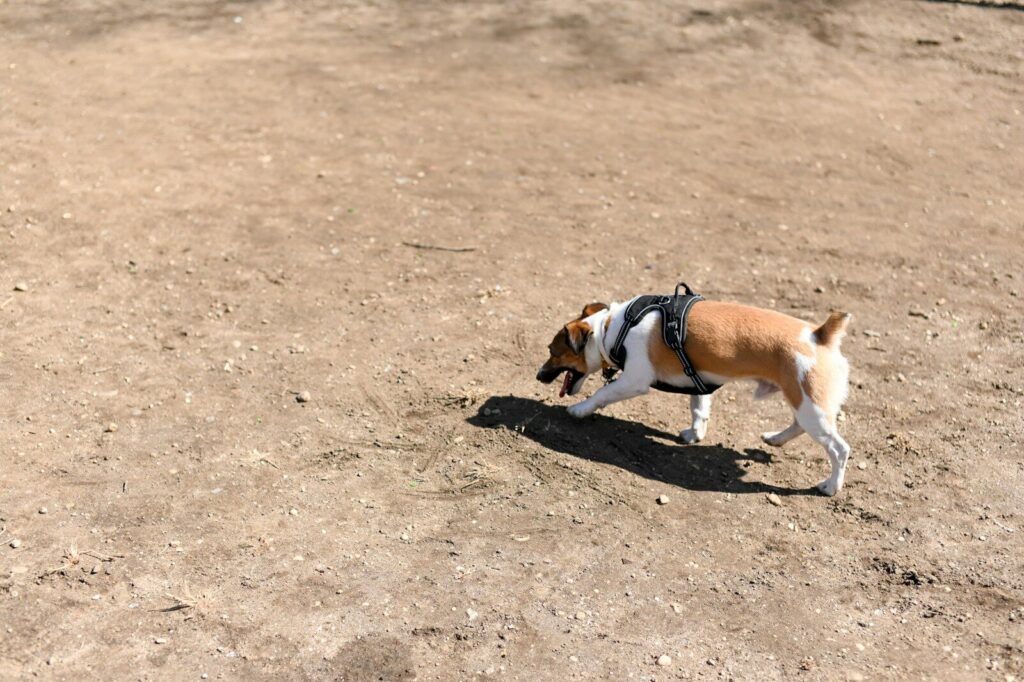
Foxtails and similar plant material can be more difficult because they may be small, easily hidden in fur and capable of causing problems after the initial exposure.
Knowing what is growing in areas where a dog regularly walks can help owners identify hazards before an injury occurs.
Where Plant Material Can Become Embedded
The paws and spaces between the toes are among the most common places to find foreign material.
Dogs move directly through grass and vegetation, giving sharp seeds and plant material repeated opportunities to become trapped around the feet.
But the paws are not the only concern.
Anything that becomes caught in the coat can eventually contact the skin. Owners should also pay attention to skin folds, jowls and other areas where plant material can become hidden.
Long-haired dogs may be more likely to carry thorns, foxtails and other debris in their coats simply because there is more fur for the material to become trapped in.
A thorough check should also include the ears.
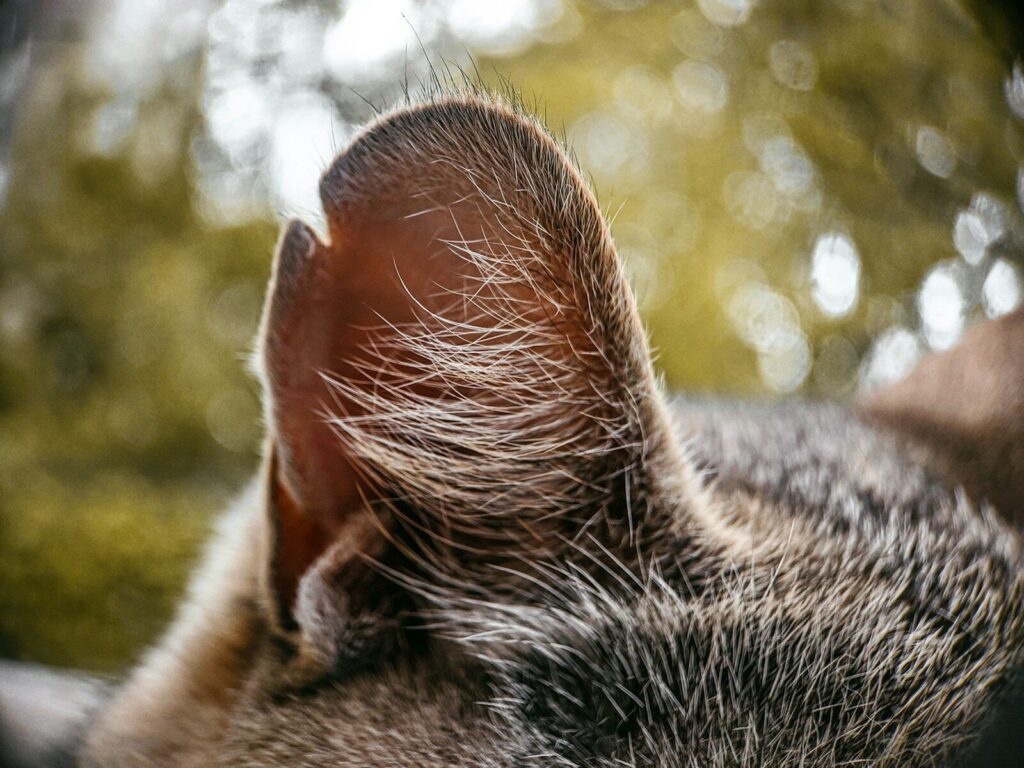
Objects near the eyes, ears, nose and mouth deserve additional caution because those areas involve openings and sensitive structures. Foreign material that enters one of these areas can create more serious complications than something embedded beneath the skin.
In rare cases, plant material can also be inhaled and enter the respiratory tract.
That can become extremely serious.
The Early Signs Owners May Miss
An embedded foreign object does not always begin with a dramatic injury.
Many cases start with a small lump or bump. The dog may begin licking or nibbling at the area because it feels irritated.
Repeated licking can create additional clues.
Dogs with lighter-colored fur may develop a copper-colored stain from repeated saliva exposure. While the staining itself does not identify the cause, it can indicate that a dog has been persistently focused on a particular area.
Other signs can include:
- Repeated licking or nibbling at one location
- New lumps or bumps
- Scratching at a specific area
- Limping
- Knots or mats in the fur
- Redness or irritation
A dog may also react when a particular area is touched.
The important distinction is between a dog briefly grooming themselves and a dog repeatedly returning to the same location because something has changed.
Why Waiting Can Allow the Problem to Get Worse
Foreign material that penetrates the skin may not simply remain in the same place.
This is one of the primary concerns with barbed plant material.
Once it reaches the skin, it can continue moving into the tissue. As the body reacts, inflammation can increase and an abscess may develop.
If they do embed, it’s almost guaranteed they will abscess
Dr. Espinosa explains. “Most abscesses lead to infections if not treated beforehand, which can then cause tissue damage as the object tries to track forward.”
The location of the foreign body matters.
A problem beneath the skin may remain relatively localized, while an object near an eye, ear, nose, mouth or respiratory structure can potentially involve more sensitive areas.
Symptoms can also appear after the original exposure.
Plant material may initially become caught in the fur before eventually reaching the skin. In rare cases involving inhaled material, signs such as coughing may not occur immediately.
That is why a recent outdoor activity can still be relevant when a dog develops a new lump, limp or unusual behavior days later.
Why Owners Should Be Careful When Removing a Foreign Object
A visible thorn or piece of plant material may appear simple to remove.
Sometimes it is.
If an object is clearly visible, easily accessible and can be removed without digging into the skin or causing pain, an owner may be able to address it before it becomes a larger problem.
But embedded material is different.
One of the biggest risks is breaking the object while attempting to remove it. Pulling out only part of a thorn or foxtail does not eliminate the problem if a fragment remains beneath the skin.
Dr. Espinosa compares the concern to incomplete tick removal. Removing the visible portion does not necessarily resolve the issue when material remains behind.
Trying to dig into the skin with tweezers or another tool can also create additional trauma.
If the source of the problem cannot be clearly seen, or the dog is painful and pulling away, attempting to explore the area at home can make the situation worse.
Eyes, Ears, Noses and Mouths Require Additional Caution
Foreign material involving an opening or sensitive structure should not be treated like an ordinary splinter.
Owners should not dig around an eye, ear or other body opening in an attempt to locate something they cannot clearly see.
The eye deserves particular caution.
If an object is suspected but cannot be safely identified and removed, additional manipulation can cause more irritation or injury.
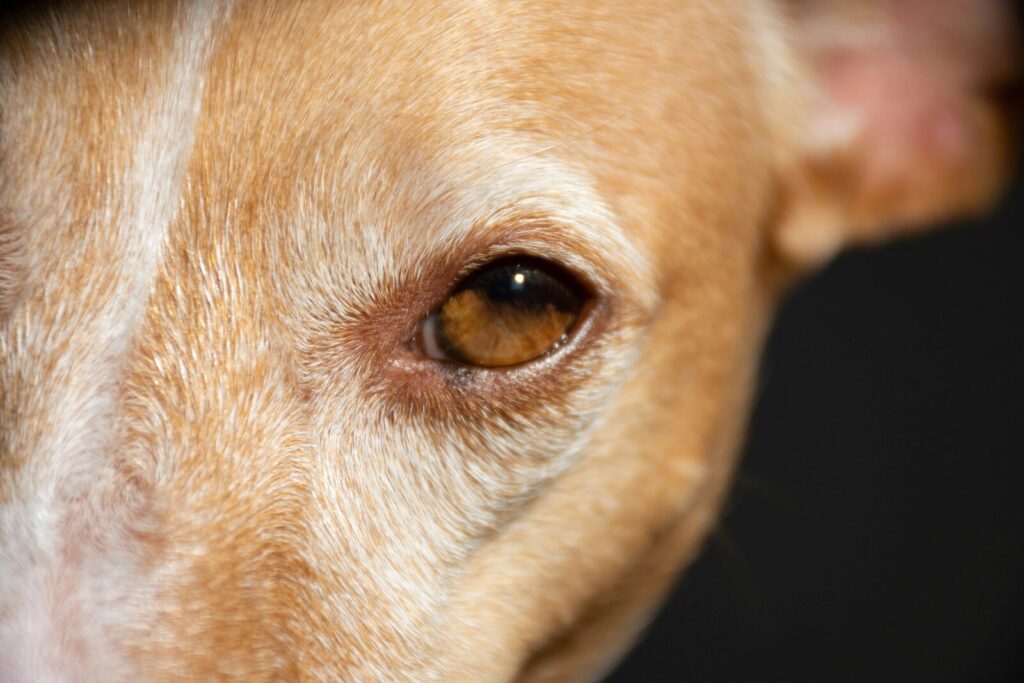
The same concern applies to areas close to the respiratory tract.
Plant material that becomes deeply embedded or enters the nose or respiratory system can create complications far beyond a localized skin injury.
When an object is not clearly visible, professional evaluation is generally safer than attempting to find it by probing the area at home.
How Veterinarians Find Hidden Foreign Bodies
Diagnosing a foreign object can be straightforward when the material is visible.
It becomes more complicated when the object has already moved beneath the skin.
A draining mass or tract can provide an important clue that something remains inside. In these situations, veterinarians may need to carefully explore the area to identify the source.
Sedation is often recommended.
According to Dr. Espinosa, sedation allows the veterinarian to examine the area more thoroughly, locate the foreign material and clean or flush the affected tissue when appropriate.
This can also reduce the risk of causing additional pain or trauma to a dog that is already uncomfortable.
Imaging can sometimes be part of the diagnostic process, particularly when a dog initially presents with limping and other causes need to be ruled out.
However, X-rays have limitations.
Many types of plant material are not radiopaque, meaning they do not appear clearly on traditional X-rays. A normal X-ray does not necessarily mean a foxtail or other plant material is not present.
Why Incomplete Removal Can Cause Ongoing Problems
Removing most of an embedded object is not always enough.
A remaining fragment can continue irritating the tissue and allow the problem to persist or worsen.
This is one reason deep or difficult-to-see foreign bodies should not be aggressively pulled or explored at home.
The object may break.
If a fragment remains behind, the body can continue reacting to it, potentially leading to inflammation, infection and additional tissue damage.
Once an object has caused an infection, treatment may include antibiotics.
More significant tissue damage can require additional wound care, bandaging and rest, particularly when the injury involves the paw or paw pad.
The treatment depends on both the location of the object and how much damage occurred before it was identified.
At-Home Care and OTC Products: Where They Can Help — And Where They Cannot
There are situations where basic at-home care can be useful.
A piece of plant material caught in the coat can sometimes be removed before it reaches the skin. Regularly combing long-haired dogs can help owners find thorns and other debris that might otherwise remain hidden.
After outdoor activity, checking between the toes, around skin folds, the jowls and the ears can also help identify problems early.
Soaking the paws may help loosen debris caught between the pads in some situations.
Dr. Espinosa also emphasizes the value of routine paw handling. Dogs that are accustomed to having their feet touched are generally easier for owners to inspect at home.
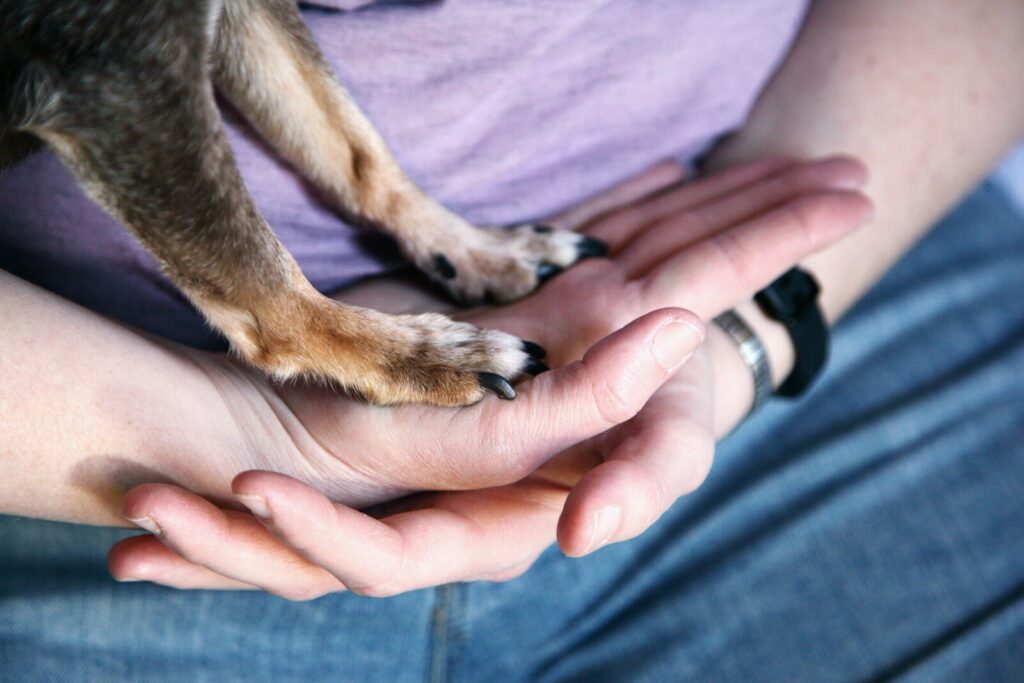
That familiarity can make it easier to identify something unusual before the problem becomes more serious.
But home care has limits.
Topical products are unlikely to resolve a barbed foreign object that remains embedded. Extraction tools promoted online can also make an injury worse when the owner cannot clearly see the object or determine how deeply it has entered the tissue.
If a foreign body is not easily removed or the dog will not tolerate handling, forcing the process can create additional pain and trauma.
In those situations, veterinary care may include sedation to safely locate and remove the problem.
How to Check Your Dog After Outdoor Exposure
A quick examination after walking or spending time around vegetation can become part of a dog’s regular routine.
Owners should look between the toes and around the paw pads, particularly if the dog has walked through taller grass or unmanaged vegetation.
Skin folds and jowls should also be checked.
Long-haired dogs can benefit from being combed to identify thorns, plant material and debris trapped in the coat.
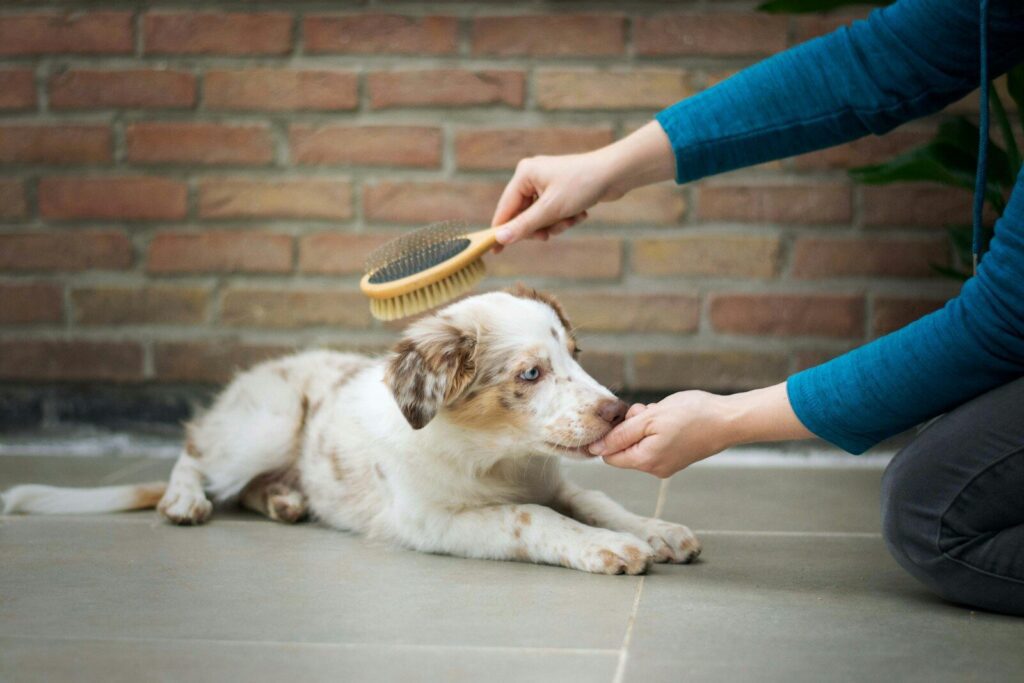
The ears deserve attention as well.
A dog that suddenly begins licking, scratching or repeatedly focusing on one area should receive a closer inspection.
This does not mean owners should search beneath the skin or probe areas they cannot clearly see.
The goal is to identify visible problems and recognize changes that warrant professional evaluation.
When Observation Is Reasonable — And When It Is Not
Severity matters.
A minor irritation that does not appear painful and resolves after a visible piece of debris is safely removed may be reasonable to monitor.
But pain changes the situation.
A dog that is limping, bleeding or showing significant discomfort should be evaluated promptly. The same applies to problems that interfere with normal movement or quality of life.
Owners should also seek veterinary care when a lump continues growing, develops drainage or does not improve.
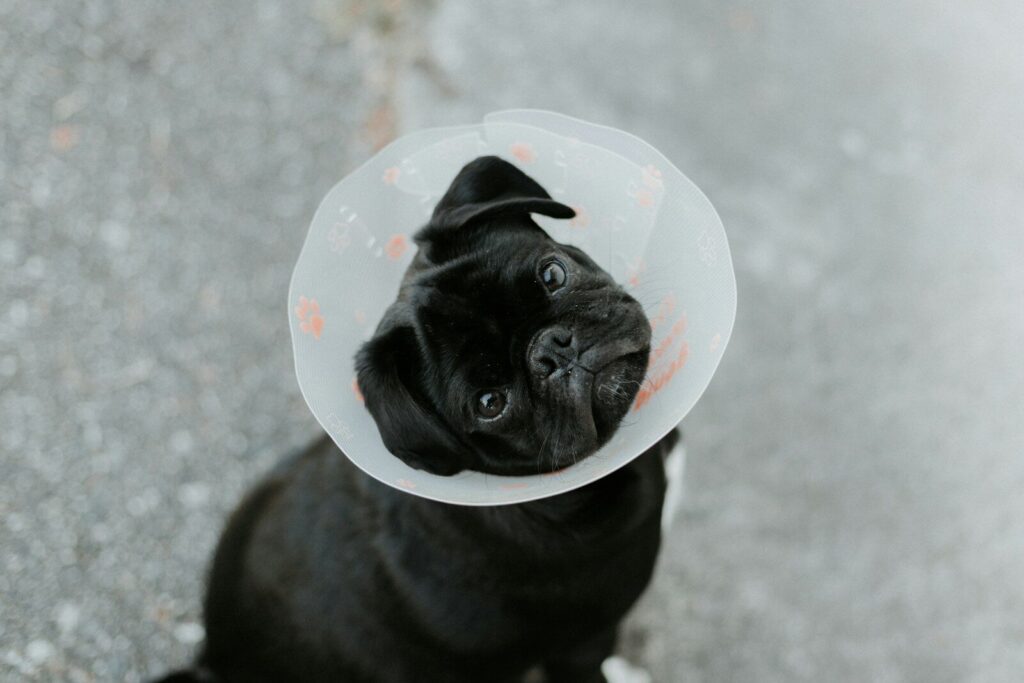
If a dog is painful and the source of the problem cannot be identified, attempting to locate it by digging into the skin is not recommended.
Dr. Espinosa says owners should focus on whether the issue is affecting the dog’s comfort and normal life.
Anything causing pain, limping, bleeding or a meaningful change in quality of life deserves attention.
When Veterinary Care Is Necessary
Some foreign-body injuries require more than routine first aid.
Prompt veterinary care is appropriate when a dog develops:
- Limping or difficulty using a limb
- Significant pain
- Bleeding that does not resolve
- A rapidly developing or painful lump
- Persistent licking or chewing of one area
- A draining wound or tract
- Signs involving the eye, ear, nose or mouth
- Difficulty breathing or coughing following suspected exposure
- Any problem affecting normal movement or quality of life
Owners should also avoid attempting removal when they cannot clearly see the source of the problem.
A painful dog that pulls away from handling may require sedation for a veterinarian to safely identify and treat the injury.
Waiting too long is one of the most significant concerns.
Dr. Espinosa notes that some cases are delayed until the problem becomes severe enough to require surgical intervention.
Earlier evaluation can sometimes prevent a small foreign-body injury from becoming a much more involved procedure.
Prevention Starts with Knowing Your Surroundings
Not every exposure can be avoided.
Dogs explore with their feet, noses and bodies, and outdoor activity naturally creates opportunities to encounter sharp vegetation.
But understanding the environment can reduce some of the risk.
Owners can become familiar with dangerous grasses and plant material in their own yards and along their regular walking routes. Problematic vegetation can be removed from areas under an owner’s control or avoided when walking.
Cactus is often easier to identify because it is visible.
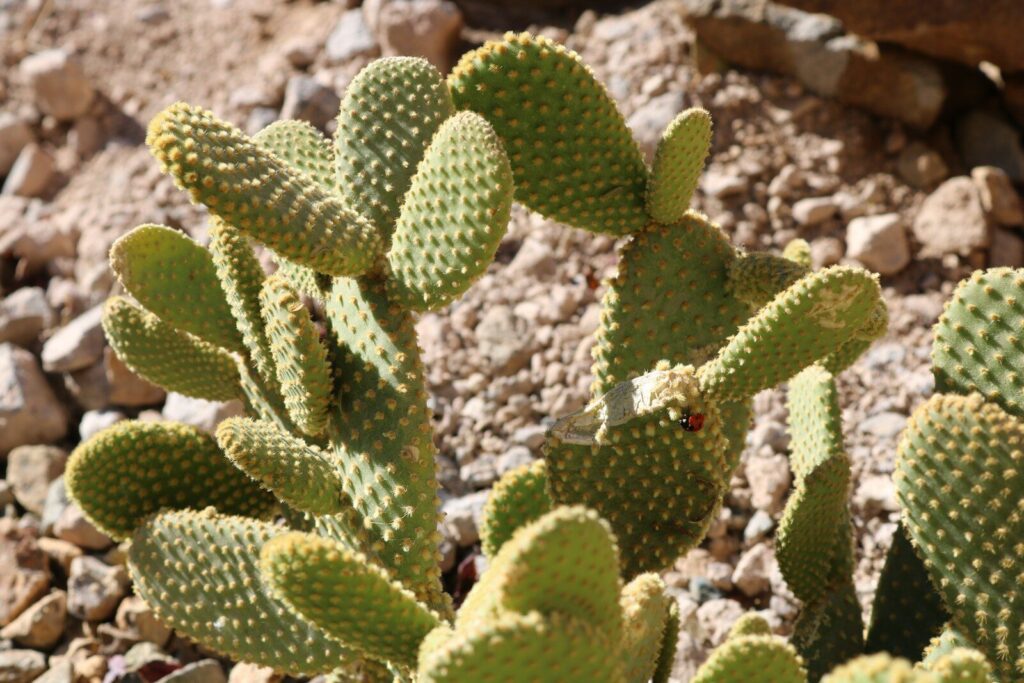
Foxtails and other grasses can be more difficult to recognize, which makes learning what they look like particularly valuable.
Dogs that spend significant time outdoors may also benefit from protective footwear in appropriate situations. Dr. Espinosa notes that dog shoes can help reduce some paw-related injuries during outdoor activity.
No preventative measure eliminates every risk, but knowing where a dog is walking and performing routine checks afterward can help reduce the chance that a small problem goes unnoticed.
Dr. Espinosa’s Final Perspective
For Dr. Espinosa, preventing serious foreign-body injuries often comes down to awareness.
Sometimes a dog will encounter something sharp or barbed despite an owner’s best efforts. That cannot always be avoided.
But knowing what to look for can make a significant difference.
A new lump, persistent licking, limping or unusual irritation after time outdoors may be more than allergies or an ordinary skin problem. Recognizing those changes early gives owners an opportunity to investigate safely and seek veterinary care before the issue progresses.
Getting familiar with the plants and hazards around a dog’s regular environment can also help owners make better decisions about where they walk and what they inspect afterward.
The goal is not to prevent dogs from enjoying the outdoors.
It is to understand that something as small as a piece of grass or plant material can sometimes become a much larger problem, and that paying attention to a dog’s normal habits, body and behavior can help keep those injuries to a minimum.

Information Provided by Dr. David Espinosa
A native of Louisiana, Dr. Espinosa earned his Doctor of Veterinary Medicine from Louisiana State University in 2009. He went on to complete a small animal rotating internship at Texas A&M College of Veterinary Medicine, followed by a medical oncology residency at Cornell University College of Veterinary Medicine from 2011 to 2013. His clinical focus is on chemotherapy and surgical oncology, and he is experienced in treating a wide range of cancers in dogs, cats, and exotic pets. Outside the clinic, Dr. Espinosa enjoys hiking and spending time at home with his husband, their three children, and a lively household of pets. He looks forward to welcoming you and your companion to the practice.
Content reflects individual opinions for general information only and is not a substitute for professional care; Dog Friendly Las Vegas is not responsible for actions taken based on this content.
Never Miss a Dog Event in Las Vegas
Get the latest dog events and top stories delivered straight to your inbox.