 Presented byMajestic Park Animal Hospital
We Spoke With Dr. Espinosa About Summer Heat Safety — Here’s What Every Las Vegas Dog Owner Needs to Know
Published June 18, 2026
Las Vegas dog owners face unique challenges throughout the year, from extreme summer temperatures and seasonal illnesses to behavioral concerns, preventive care decisions, and emerging health topics.
To help pet owners navigate these issues with confidence, Dog Friendly Las Vegas is launching the Veterinary Insight Series, an ongoing educational series featuring veterinarians, veterinary specialists, and animal health professionals sharing practical guidance, real-world experience, and expert perspectives on the questions dog owners ask most.
For our inaugural edition, Dog Friendly Las Vegas connected with Dr. Espinosa of Majestic Park Animal Hospital to address one of Southern Nevada’s most significant seasonal concerns: extreme heat.
Veterinary Tips
While most dog owners know to avoid hot pavement and never leave pets in vehicles, questions remain about cooling products, hydration, breed-specific risks, warning signs of heat illness, and what actions truly help protect dogs during triple-digit temperatures.
Drawing from his experience caring for pets in the Las Vegas Valley, Dr. Espinosa shared practical insights, common misconceptions he encounters, and the lessons he wishes every local dog owner understood before summer arrives.
What Dog Owners May Not Realize
The Dangers Beyond Hot Pavement
When asked about the heat-related dangers that receive the most attention, and those that are often overlooked, Dr. Espinosa pointed to sidewalk temperatures, vehicle interiors, and even the conditions many dogs experience in their own backyards.
“The biggest dangers in Las Vegas involve sidewalk temperatures when walking, the temperatures inside cars, and even the temperatures of shaded areas in people’s backyards,” he said.
While many owners focus on avoiding direct sun exposure, Dr. Espinosa noted that shaded concrete can still become dangerously hot during Southern Nevada summers.
“We see a lot of outside pets who suffer the most because they have nowhere to cool off,” he said. “Shaded concrete on a 115-degree day is deadly.”
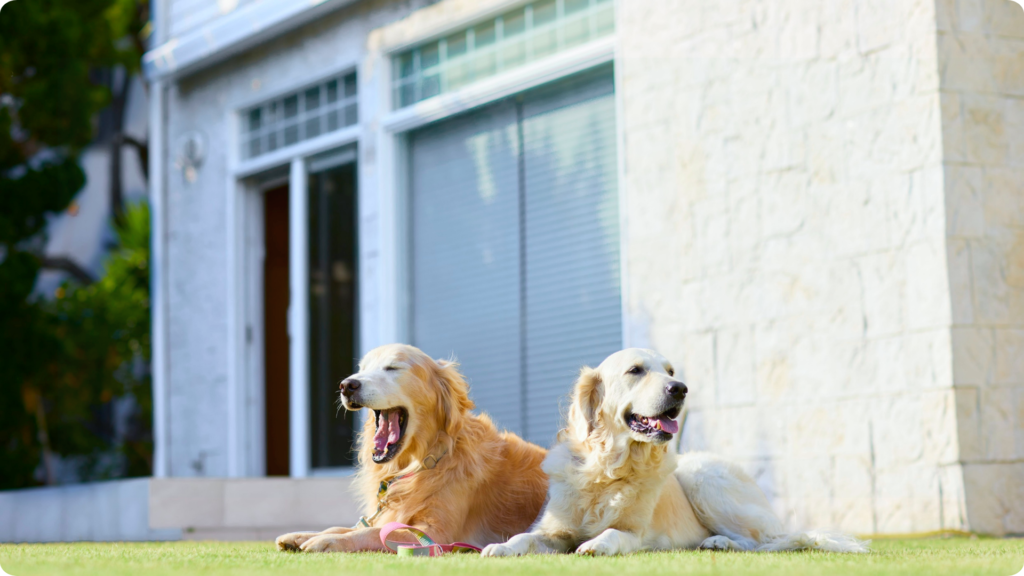
He also cautioned that water bowls left outdoors can quickly warm to ambient temperatures. Without access to cool water or an indoor environment, dogs can become vulnerable to heat exhaustion and potentially life-threatening complications.
Common Heat Myths
One myth Dr. Espinosa continues to encounter is the belief that leaving a pet in a vehicle for a short period, or with the air conditioning running, is safe.
“Just as you wouldn’t leave your children in the car, the dangers of the Vegas heat transfer to all members of your home,” he said.
Whenever possible, he encourages owners to leave pets safely at home rather than relying on vehicles as temporary accommodations during summer errands.
Dogs at Greater Risk Than Many Owners Realize
One topic that frequently surprises owners involves breed-specific vulnerability.
Dr. Espinosa explained that brachycephalic breeds, including French Bulldogs, Pugs, Bulldogs, Boston Terriers, and similar short-nosed dogs, face significantly greater challenges regulating body temperature because of their airway structure.
‘These breeds are much more prone to heat exhaustion due to their compromised airways and not being able to regulate temperature the way a breed with a more normal, elongated nose can.”
These dogs can become hyperthermic more quickly and often struggle to cool themselves once overheating begins. Many already live with respiratory conditions that may worsen during periods of increased breathing effort.
Dr. Espinosa also identified senior pets, overweight dogs, and animals with respiratory conditions as higher-risk groups.

Interestingly, he noted that while many people assume Huskies and other double-coated breeds are naturally equipped to handle Las Vegas summers, their coats evolved for colder climates and can still place them at increased risk during prolonged exposure to extreme heat.
Cooling Products and Practical Prevention
Which Cooling Products Actually Help?
With cooling products filling store shelves every summer, many owners wonder which ones genuinely work.
According to Dr. Espinosa, some cooling strategies offer meaningful benefits while others may be less effective than advertised.
Among the approaches he recommends are:
- Misters used in shaded areas
- Grass or turf instead of asphalt or concrete
- Ice cubes in water bowls to encourage drinking
- Prompt access to cooler indoor environments
Cooling vests may provide benefits in certain situations, but Dr. Espinosa cautions that they are not a universal solution.
“Sometimes due to the weight, they can also do more harm than good,” he explained.
In many cases, directly applying water to a dog’s coat and skin may provide greater relief than relying solely on specialized cooling gear.
What Owners Should Know About Cooling Mats
Cooling mats can be a useful tool when used properly.
“Cooling mats can be very useful as long as they actually stay cool,” Dr. Espinosa said.
He cautioned that mats placed in direct sunlight may lose much of their effectiveness. Water-filled mats can also quickly reach the ambient temperature of the surface beneath them, reducing any cooling benefit.
For owners using cooling mats outdoors, regularly checking the mat’s temperature is just as important as monitoring the dog.
Finding Dog Shoes That Actually Stay On
Protective footwear can play an important role in preventing burns and reducing heat exposure from hot surfaces, but Dr. Espinosa says success often begins with early training.
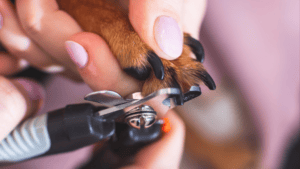
Ideally, dogs should become comfortable having their feet handled at a young age. This not only makes booties easier to use, but also benefits veterinary exams, nail trims, grooming appointments, and at-home health checks.
Because sizing and fit vary widely among manufacturers, he recommends researching options carefully and allowing dogs to practice wearing shoes indoors before relying on them outside.
What If You Must Go Out During Peak Heat?
While postponing exercise until after sunset remains the safest option, Dr. Espinosa recognizes that some outings are unavoidable.
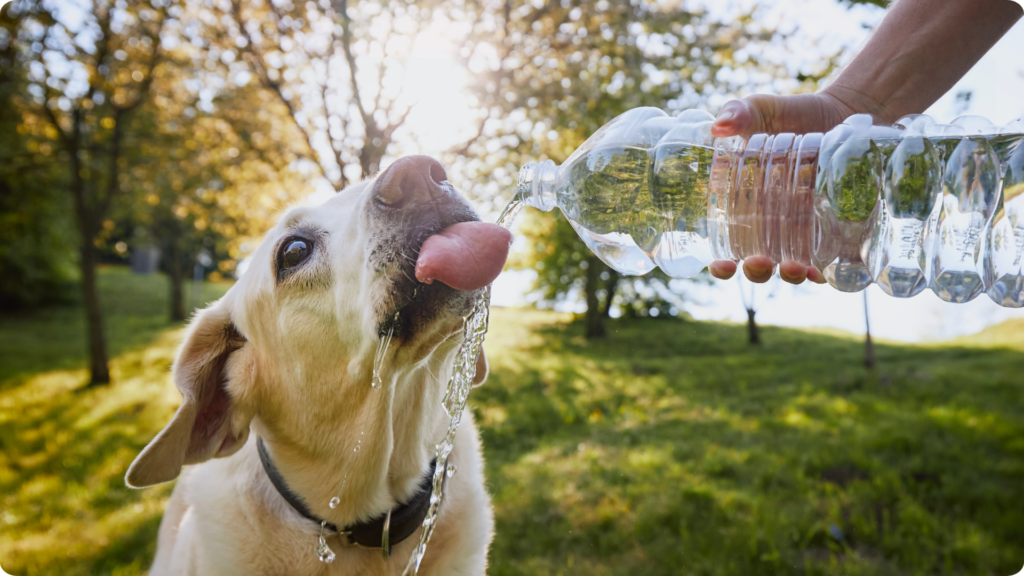
When they are, he recommends:
- Choosing routes with maximum shade
- Using properly fitted booties
- Carrying water at all times
- Carrying smaller dogs when practical
- Limiting exposure to concrete and asphalt
Hydration, Cooling, and Daily Life
What Proper Hydration Really Looks Like
Simply having water available doesn’t always mean a dog is adequately hydrated.
Dr. Espinosa encourages owners to pay attention to several indicators beyond water consumption alone.
Healthy gums should be pink and moist, with color returning quickly when gently pressed. Skin should also maintain elasticity and immediately return to its normal position when gently lifted.
Warning signs of dehydration may include:
- Excessive panting
- Excessive drooling
- Dry or tacky gums
- Pale or bluish gums
- Reduced skin elasticity
These changes can indicate dehydration or poor circulation and should be taken seriously.
Can Dogs Drink Too Little Water Without Owners Realizing?
According to Dr. Espinosa, subtle signs of dehydration often develop before a true emergency occurs.
Changes in gum moisture, gum color, breathing effort, and skin elasticity may appear long before a dog reaches a critical state.
Owners who become familiar with their dog’s normal appearance and behavior are often better equipped to recognize early warning signs.
Can Dogs Drink Too Much Water?
Surprisingly, yes.
After vigorous activity, particularly in larger dogs, Dr. Espinosa advises against allowing unrestricted access to large amounts of water all at once.
“If your pet is panting more or harder than usual, do not let them drink a large amount of water,” he advised.
Instead, offer small amounts at a time while allowing the dog to cool gradually.
This approach can help reduce the risk of vomiting, aspiration, and other complications.
Do Ice Cubes Help?
Dr. Espinosa does support placing ice cubes in water bowls to encourage drinking, particularly during periods of extreme heat.

However, he notes that ice cubes should be viewed as one component of a larger cooling strategy rather than a solution on their own.
Safely Cooling Dogs After Activity
If a dog becomes overheated following a walk, hike, or outdoor activity, Dr. Espinosa recommends immediate action.
Water applied directly to the coat and skin can help begin the cooling process, while moving the dog into an air-conditioned environment should occur as quickly as possible.
He also recommends offering small amounts of water rather than allowing unrestricted drinking.
Some commonly attempted cooling methods may actually create additional risks.
Dr. Espinosa specifically cautions against allowing excessive water consumption immediately after exercise or encouraging swimming directly after strenuous activity.
Behavior, Energy, and Quality of Life
How Heat Affects Dogs Beyond Physical Comfort
Heat can significantly impact a dog’s mood, behavior, and energy level.
“This can present as mild-to-extreme episodes of lethargy,” Dr. Espinosa explained.
In severe situations, overheating may even cause dogs to appear confused, disoriented, or neurologic.
When “Laziness” May Be Something More
While reduced activity is common during Southern Nevada summers, persistent decreases in energy should not automatically be dismissed as aging or personality changes.
Dr. Espinosa recommends discussing ongoing lethargy with a veterinarian and considering wellness diagnostics when appropriate.
Mental Stress and Triple-Digit Temperatures
Heat-related stress may also appear as agitation, restlessness, or unusual behavior.
During prolonged periods of extreme temperatures, Dr. Espinosa encourages owners to rethink exercise routines, seek out grassy areas when possible, and explore indoor play opportunities to help maintain physical and mental enrichment.
Heat Emergencies and Warning Signs
Early Signs Owners Often Miss
Among the earliest warning signs of heat-related illness, Dr. Espinosa frequently sees:
- Increased respiratory effort
- Unusual breathing sounds
- Increased water consumption
- Excessive panting
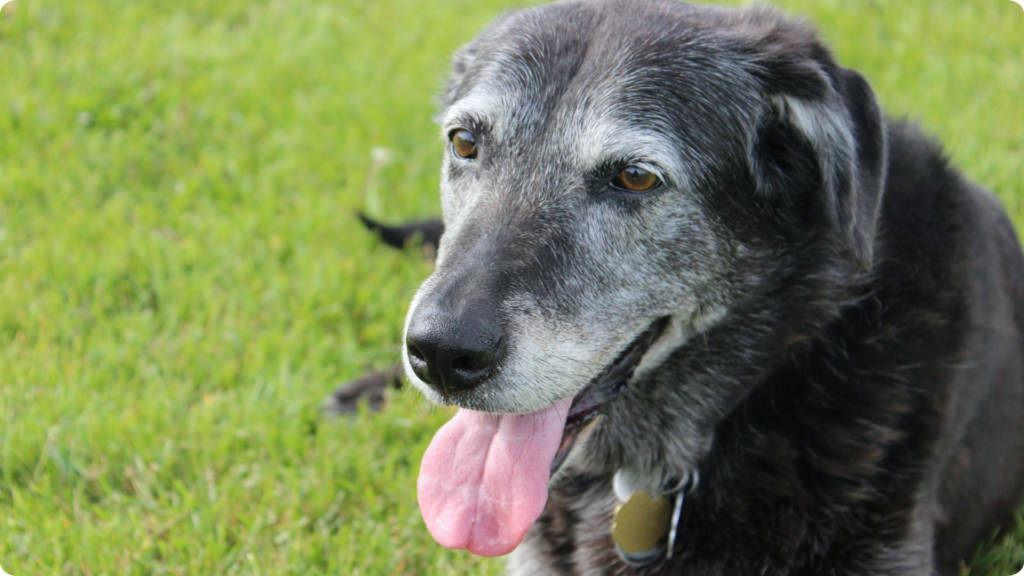
Recognizing these subtle changes early can help prevent a more serious emergency.
Symptoms That Require Immediate Veterinary Attention
Owners should seek veterinary care immediately if they observe:
- Collapse
- Seizure-like activity
- Abnormal gum color
- Vomiting associated with heat exposure
- Significant breathing changes
- Neurologic symptoms
Even if a dog appears to recover, these symptoms should never be ignored.
Why Heat Stroke Escalates So Quickly
As Dr. Espinosa explains, heat stroke affects far more than body temperature.
When your temperature starts to spike and can’t be regulated due to continued heat exposure, brain damage starts to occur, followed by changes to the internal organs which can then result in organ failure,
This is why rapid cooling and veterinary intervention are so critical.
What To Do If Your Dog Is Overheating
If a dog appears to be overheating, Dr. Espinosa recommends:
- Moving the dog into a cooler environment
- Applying water directly to the coat and skin
- Offering very small amounts of water
- Contacting a veterinarian immediately
Early intervention can dramatically improve outcomes.
Common Mistakes and Lessons Learned
The Most Common Heat-Related Mistake
When asked what mistake he sees most frequently from otherwise responsible owners, Dr. Espinosa’s answer was immediate.
Trying to leave pets in vehicles while running “just one quick errand” remains one of the most common, and potentially devastating, heat-related mistakes he encounters.
When Good Intentions Create New Risks
Dr. Espinosa also cautioned against relying too heavily on heavily marketed products that promise simple solutions.
He specifically advises owners to be skeptical of “fix-all” supplements and electrolyte products marketed toward pet owners without clear veterinary guidance.
A Lesson Every Las Vegas Dog Owner Should Know
Looking back on heat-related cases he has treated, Dr. Espinosa’s message is straightforward: prevention is always easier than treatment.
He encourages owners to rethink daytime activity during summer months, seek out indoor exercise alternatives when needed, and always carry water whenever leaving home with their dogs.
Personal Insight from Dr. Espinosa
One theme emerged repeatedly throughout the responses Dr. Espinosa provided: many heat-related emergencies begin with subtle changes that owners don’t immediately recognize as dangerous.
By understanding your dog’s normal behavior, breathing patterns, and activity level, and acting early when something seems off, you can dramatically reduce the risk of a preventable emergency.
For dogs living in Southern Nevada, surviving the summer isn’t simply about avoiding hot pavement.
It’s about understanding how heat affects the entire body, recognizing warning signs before they become emergencies, and making thoughtful adjustments to daily routines during the hottest months of the year.
Editor’s Note: Responses have been edited lightly for clarity and length while preserving the intent and medical guidance provided by Dr. Espinosa.

Information Provided by Dr. David Espinosa
A native of Louisiana, Dr. Espinosa earned his Doctor of Veterinary Medicine from Louisiana State University in 2009. He went on to complete a small animal rotating internship at Texas A&M College of Veterinary Medicine, followed by a medical oncology residency at Cornell University College of Veterinary Medicine from 2011 to 2013. His clinical focus is on chemotherapy and surgical oncology, and he is experienced in treating a wide range of cancers in dogs, cats, and exotic pets. Outside the clinic, Dr. Espinosa enjoys hiking and spending time at home with his husband, their three children, and a lively household of pets. He looks forward to welcoming you and your companion to the practice.
Your feedback helps us cover this better next time.
Sorry to hear that — what was missing?
Glad it helped!
Get the latest dog events and top stories delivered straight to your inbox.
Content reflects individual opinions for general information only and is not a substitute for professional care; Dog Friendly Las Vegas is not responsible for actions taken based on this content.