 Presented byMajestic Park Animal Hospital
Many Dogs Show Signs of Anxiety Before Fireworks Begin — Here’s What Dr. Espinosa Wants Owners to Know
Las Vegas dog owners face unique challenges throughout the year, from extreme temperatures to seasonal stressors, behavioral concerns, and emergency risks tied to environmental triggers.
To help pet owners navigate these issues with confidence, Dog Friendly Las Vegas created the Veterinary Insight Series – an ongoing educational feature highlighting veterinarians and animal health professionals sharing real-world guidance on the questions dog owners ask most.
For this edition, we spoke with Dr. Espinosa of Majestic Park Animal Hospital about one of the most common seasonal behavioral concerns – fireworks-related anxiety and noise sensitivity in dogs.
Veterinary Tips
What Many Owners Don’t Realize About Fireworks Anxiety
While fireworks are often viewed as a short-lived event, many dogs begin showing signs of stress well before the noise starts and may remain affected long after it ends.
Dr. Espinosa notes that anxiety is not just emotional – it is a full-body physiological response that can escalate quickly once triggered.
What Happens When Dogs Experience Anxiety and Noise
Psysiological and Emotional Response
When a dog experiences fear during fireworks or loud environmental noise, the body enters a heightened stress state. This can include increased heart rate, blood pressure changes, and difficulty regulating emotional responses.

Common Physical Symptoms
Visible signs often include trembling, hiding, and refusal to eat. In more severe cases, gastrointestinal upset and prolonged stress behavior may occur, sometimes lasting days.
Why Dogs Respond Differently
Some dogs are naturally more sensitive, while others develop these responses through prior negative experiences or environmental instability. Temperament, early exposure, and trauma history all contribute.
Breed tendencies and personality also play a role. Timid dogs and those from unstable backgrounds are more prone to strong fear responses, while high-drive breeds may show restlessness when under-stimulated.
Noise sensitivity can be both innate and learned, developing through rehoming, environmental change, or repeated exposure to stressors.
Sublte Signs of Anxiety Owners Often Miss
Early Physical and Behavioral Indicators
Not all anxiety presents as obvious fear behaviors. Subtle signs include inappropriate urination or defecation, unusual aggression, and increased respiratory effort outside normal panting.
Misinterpreted Behaviors
Dogs may appear stubborn when refusing to move, when in reality they are attempting to remain in a perceived safe space. Increased clinginess or sudden aggression may also reflect fear-based coping rather than behavioral defiance.
When Behavior Changes Become Meaningful
When anxiety begins affecting daily routines such as eating, playing, or movement through the home, it may indicate a more significant behavioral issue.
When to Start Preparing for Fireworks Season
Preparation is most effective when started early. Dr. Espinosa recommends beginning planning one to two months before predictable events such as the Fourth of July or New Year’s Eve.
This allows time to trial medications if needed, assess response, and build a customized care plan for the individual dog. It also allows time to arrange boarding, pet sitting, or home-based management strategies.
Safe Spaces, Enrichment, and Home Preparation
Environmental Control Strategies
Background noise such as television or white noise can help mask external triggers. Structured indoor enrichment, including puzzle toys and calming activities, can reduce anticipatory stress.
Creating a Safe Space
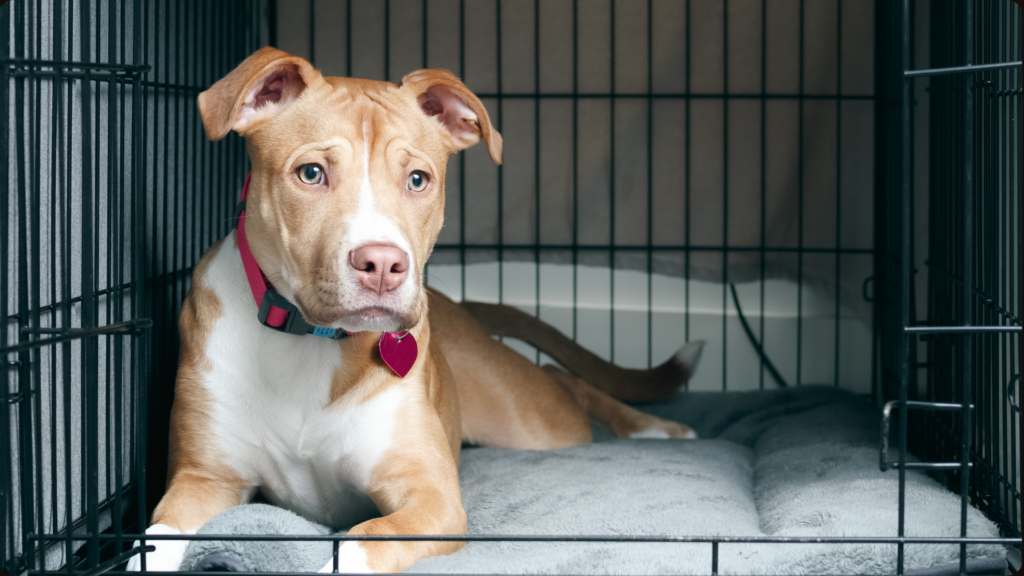
A designated safe space is often essential. This may include a quiet room, crate, or enclosed area depending on the dog’s preference. Some dogs prefer close proximity to their owner, while others do better in low-stimulation environments.
Common Preparation Mistakes
One of the most common mistakes is assuming previous strategies or leftover medications will work for a different dog. Each animal requires an individualized approach.
Using expired or leftover medications without veterinary guidance can reduce effectiveness and may not address current needs.
Individual Variation Matters
Even when medications worked previously, differences in metabolism, anxiety severity, and health status can significantly change outcomes.
Over-the-Counter Calming Aids
Supplement and Mild Support Tools
Calming chews with chamomile or hemp-derived ingredients may support mild anxiety cases.
Veterinary-formulated products from companies such as Ellevet, Nutramax, and Vetriscience may offer additional benefits, though responses vary widely.
These products are generally supportive rather than standalone treatments for moderate to severe anxiety.
Compression Wraps and Anxiety Gear
Compression garments such as ThunderShirts may help some dogs when combined with environmental management strategies.
Limitations
Response is inconsistent and often requires trial and adjustment. These tools are most effective as part of a broader calming plan.
When Medication Becomes Necessary
Situational vs. Daily Use
Prescription medications may be used situationally during predictable events or daily for chronic anxiety depending on severity.
Dr. Espinosa emphasizes that:
behavioral medications are often well tolerated and may be non-sedating, with treatment plans tailored to both short-term events and long-term anxiety management.
What to Do During Fireworks
Dogs should remain indoors in a secure, familiar environment.
Owner presence can be stabilizing, and maintaining a calm, consistent setting is often more effective than relocation or unfamiliar environments.
What to Avoid During High Anxiety Episodes
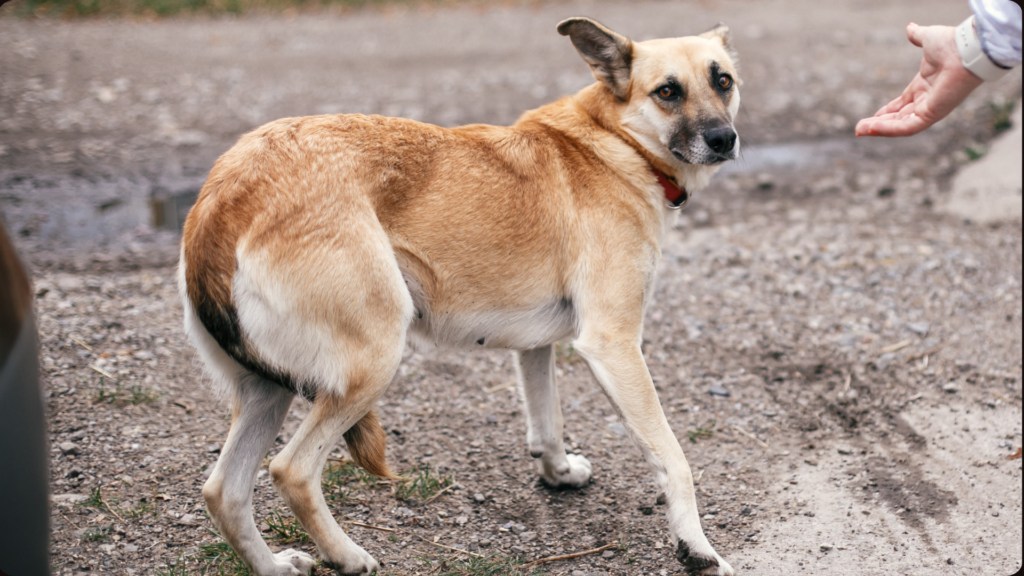
Leaving dogs outside, isolating them from familiar caregivers, or exposing them to unfamiliar environments can intensify distress and increase escape risk.
When to Be Concerned in Real Time
Loss of appetite during fireworks is not always immediately concerning if it resolves afterward.
However, escalating symptoms such as uncontrolled pacing, labored breathing, or inability to settle despite reassurance may indicate significant anxiety requiring intervention.
Situational vs. Chronic Anxiety
Situational anxiety typically resolves once the trigger is removed. More persistent behavioral conditions continue even in safe environments and may require structured management.
For severe noise sensitivity, long-term treatment options may include prescription medications such as SSRIs (Selective Serotonin Reuptake Inhibitors) often combined with behavioral training and environmental modification. These cases typically require veterinary monitoring and ongoing assessment.
When combined with professional guidance, behavior modification can significantly improve outcomes and quality of life.
Long-Term Treatment Options
For severe cases, long-term treatment may include prescription medications such as SSRIs, often combined with behavioral training and environmental management.
These cases require veterinary oversight and periodic reassessment to ensure effectiveness and safety.
Behavior modification can significantly improve quality of life when paired with structured support.
Why Fireworks Lead to Escape Behavior
Fireworks-related panic can trigger escape attempts including digging, fence jumping, or pushing through gates.
Even familiar environments can become unsafe during acute stress events, making indoor containment essential.
Preventing Loss and Injury During Fireworks
Dogs with known anxiety should remain indoors during fireworks whenever possible.
Crate training, when introduced properly, can provide additional safety for dogs prone to escape behavior.
Dogs that do not respond to at-home management or show escalating distress should be evaluated by a veterinarian or behavior professional.
Final Takeaways for Dog Owners
One of the most common misconceptions is that anxiety is temporary or will resolve without intervention. One of the most common misconceptions is that anxiety is temporary or self-resolving. In many cases, it requires structured, individualized management.
Dogs cannot communicate distress directly, making owner awareness essential in identifying early signs.
Above all, the most important preventive step remains consistent: keep pets indoors during fireworks and other high-noise celebrations.
Personal Insight from Dr. Espinosa
Many anxiety-related emergencies begin with subtle behavioral changes that are easy to miss.
By understanding baseline behavior and recognizing early deviations, owners can intervene before anxiety escalates into a medical or behavioral crisis.
In environments like Southern Nevada, effective care requires recognizing anxiety as a treatable condition that benefits from behavioral, environmental, and medical support.
Editor’s Note: Responses have been edited lightly for clarity and length while preserving the intent and medical guidance provided by Dr. Espinosa.

Information Provided by Dr. David Espinosa
A native of Louisiana, Dr. Espinosa earned his Doctor of Veterinary Medicine from Louisiana State University in 2009. He went on to complete a small animal rotating internship at Texas A&M College of Veterinary Medicine, followed by a medical oncology residency at Cornell University College of Veterinary Medicine from 2011 to 2013. His clinical focus is on chemotherapy and surgical oncology, and he is experienced in treating a wide range of cancers in dogs, cats, and exotic pets. Outside the clinic, Dr. Espinosa enjoys hiking and spending time at home with his husband, their three children, and a lively household of pets. He looks forward to welcoming you and your companion to the practice.
Content reflects individual opinions for general information only and is not a substitute for professional care; Dog Friendly Las Vegas is not responsible for actions taken based on this content.
Never Miss a Dog Event in Las Vegas
Get the latest dog events and top stories delivered straight to your inbox.