 Presented byMajestic Park Animal Hospital
Canine Parvovirus (Parvo) – Why This Preventable Disease Still Puts Puppies at Risk
Published July 29, 2026
Bringing home a puppy is an exciting experience filled with first walks, new routines, and countless milestones. But during those first few months, puppies are also navigating a critical period where their immune systems are still developing and protection from serious diseases depends on proper veterinary care.
Canine parvovirus, commonly known as parvo, remains one of the most serious and potentially life-threatening diseases affecting puppies. While vaccines have dramatically reduced deaths from preventable illnesses, parvo continues to impact dogs because of how easily it spreads, how long it can survive in the environment, and how quickly an infected puppy can become critically ill.
For Las Vegas dog owners, where dogs frequently interact in neighborhoods, parks, pet-friendly businesses, and shared spaces, understanding parvo prevention and recognizing the early warning signs can help protect vulnerable puppies.
Veterinary Tips
Dr. Espinosa explains why parvo remains a concern, how it spreads, what owners should know about vaccination, and why early veterinary intervention is so important.
Understanding Canine Parvovirus
Canine parvovirus is a highly contagious viral disease that primarily affects the gastrointestinal tract and bone marrow. The virus attacks rapidly dividing cells, causing severe damage to the intestinal lining and impacting the body’s ability to fight infection.
Parvo is a viral disease that destroys the epithelial cells in the GI tract and the bone marrow causing severe infection and GI upset,
explains Dr. Espinosa.
When untreated, parvo can become fatal due to severe dehydration, secondary infections, and complications caused by the destruction of the intestinal lining.
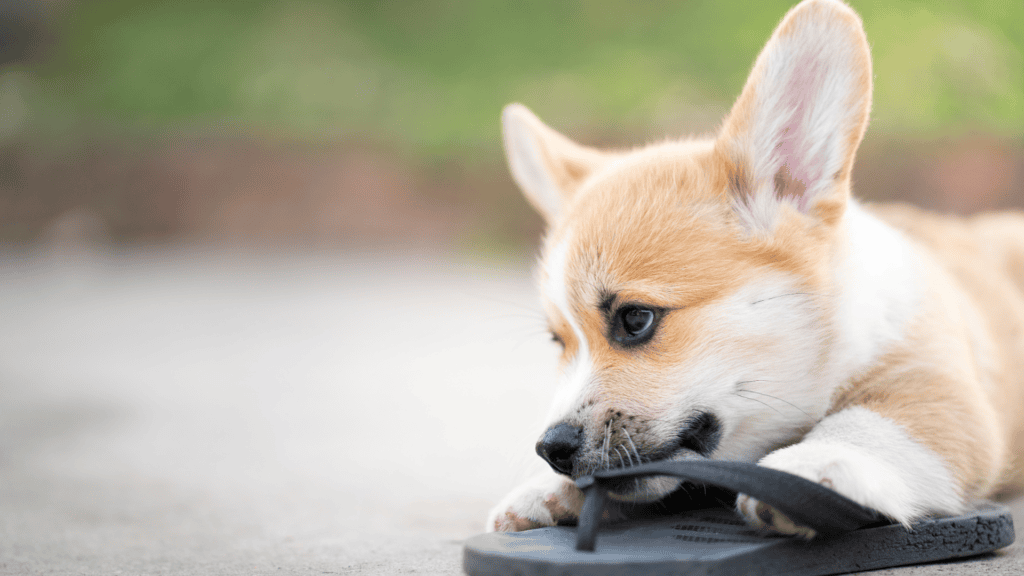
One of the biggest challenges with parvo is its ability to survive outside of an animal. The virus can remain infectious in many environments for extended periods if not properly disinfected, making exposure prevention especially important for puppies.
Why Parvo Remains a Concern Despite Vaccination
Vaccination has transformed the outlook for dogs affected by parvo, but the disease has not disappeared.
Changes in dog ownership trends, increased breeding activity, and more opportunities for dogs to share environments have contributed to continued exposure risks. At the same time, misinformation surrounding vaccines and disease prevention can leave some puppies vulnerable to preventable illnesses.
Veterinary medicine has also continued to improve how parvo is diagnosed and treated. Better testing methods, improved medications, and stronger supportive care protocols have helped veterinary teams identify cases earlier and improve recovery outcomes.
However, prevention remains the strongest protection.
Core vaccines, including those protecting against parvovirus, rabies, and distemper, have dramatically reduced deaths from diseases that were once common and often devastating.
How Parvo Spreads and Why Puppies Are Vulnerable
Parvovirus is primarily transmitted through infected feces or vomit that comes into contact with a dog’s mouth or nose. Because the virus is extremely resilient, exposure does not require direct interaction with a visibly sick dog.
A puppy can encounter parvo through contaminated soil, sidewalks, grass, shoes, clothing, or objects that have carried the virus from another location.
An infected puppy walking through the dog park can leave the virus along its entire walking path, and still make it into your home by being tracked on shoes,
says Dr. Espinosa.
This is why veterinarians often recommend limiting public exposure until puppies have completed their vaccination series. A puppy may appear healthy while still being at risk because their immune protection is not yet fully developed.
Potential exposure risks include:
- Dog parks
- Public walking areas
- Pet stores
- Shared outdoor spaces
- Play dates with unknown vaccination histories
- Areas where infected animals may have previously been
Are Puppies the Only Dogs at Risk?
Puppies are the most vulnerable because their immune systems are still developing, but parvo can affect dogs of any age when vaccination protection is incomplete or not maintained.
Adult dogs that are not properly vaccinated can become infected, and older dogs may face additional challenges during diagnosis and recovery.
Certain breeds, including Rottweilers, Dobermans, and some Pit Bull-type breeds, have historically been associated with increased risk of severe disease. However, vaccination status, overall health, and how quickly treatment begins are among the most important factors influencing outcomes.
Vaccination and Preventing Parvo
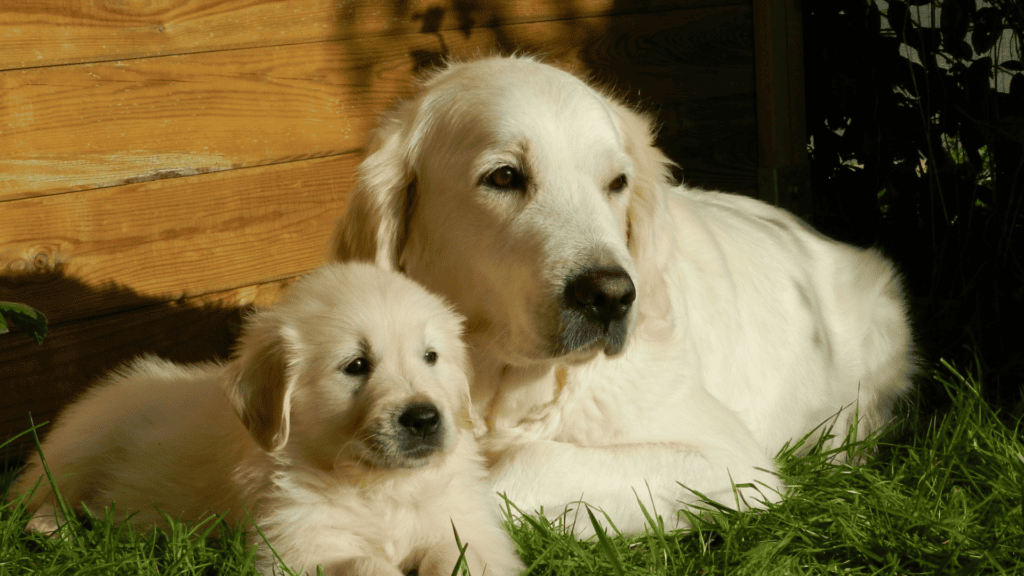
The canine parvovirus vaccine is highly effective when administered properly and according to veterinary recommendations. However, puppies require a series of vaccinations because immunity develops gradually.
Maternal antibodies passed from the mother can provide temporary protection during early life, but those antibodies vary between puppies and eventually decline. This is why booster vaccines are necessary to build reliable protection.
One common misconception is that a puppy is fully protected after one vaccine or that natural immunity from the mother is enough. In reality, completing the recommended vaccination schedule is essential.
Owners should also be cautious with vaccines obtained outside of a veterinary setting. Proper storage, handling, administration, and documentation all play a role in vaccine effectiveness.
Socialization Before Full Vaccination
One of the biggest challenges for new puppy owners is balancing socialization with disease prevention.
Early experiences are important for a puppy’s development, but socialization does not require exposure to high-risk environments before vaccinations are complete.
Puppies can safely learn through controlled interactions with trusted vaccinated dogs, meeting new people, experiencing different sounds, practicing training, and exploring new situations in safer ways.
Before a puppy is fully vaccinated, owners should avoid placing them on shared public surfaces where exposure risks are unknown.
If a puppy must visit a public location before completing vaccinations, Dr. Espinosa recommends keeping them off the floor whenever possible.
Recognizing the Signs of Parvo
The earliest signs of parvo can sometimes appear similar to less serious illnesses, but puppies can decline quickly once symptoms begin.
Common signs include:
- Lethargy
- Vomiting
- Diarrhea
- Loss of appetite
As the disease progresses, dehydration and complications can become severe.
When Veterinary Care Is Needed
Any puppy showing signs of illness should be evaluated by a veterinarian, especially if they are not fully vaccinated or may have been exposed to parvo.
Immediate veterinary attention is needed if a puppy:
- Cannot keep food or water down
- Has uncontrolled diarrhea
- Becomes extremely lethargic
- Appears pale
- Shows signs of dehydration or fever

Puppies lose fluids and nutrients quickly, and their developing bodies may not be able to recover without medical support.
Treating Parvo and Supporting Recovery
Treatment for parvo focuses on supporting the body while the immune system fights the infection. Because the virus damages the intestinal lining, affected dogs often require significant supportive care.
Treatment may include hospitalization, intravenous fluids, antibiotics to manage secondary infections, pain management, nutritional support, and close monitoring.
“The earlier the diagnosis, the better. The sooner we treat the infection and start replenishing the body with fluids, the sooner they can recover,” explains Dr. Espinosa.
Recovery time depends on how early treatment begins and the severity of the infection. Some dogs may recover after several days of supportive care, while more severe cases may require additional interventions, including feeding support, blood transfusions, or extended hospitalization.
Dogs that recover from parvo generally develop immunity to that strain of the virus. However, some may experience longer-term gastrointestinal sensitivities after recovery.
Protecting Other Pets and Your Home
Because parvo can survive in the environment, protecting other pets requires careful cleaning and management.
If a dog in the household is diagnosed with parvo, owners should separate the infected dog from other pets, confirm other animals are current on vaccinations, and follow veterinary recommendations for quarantine and disinfection.
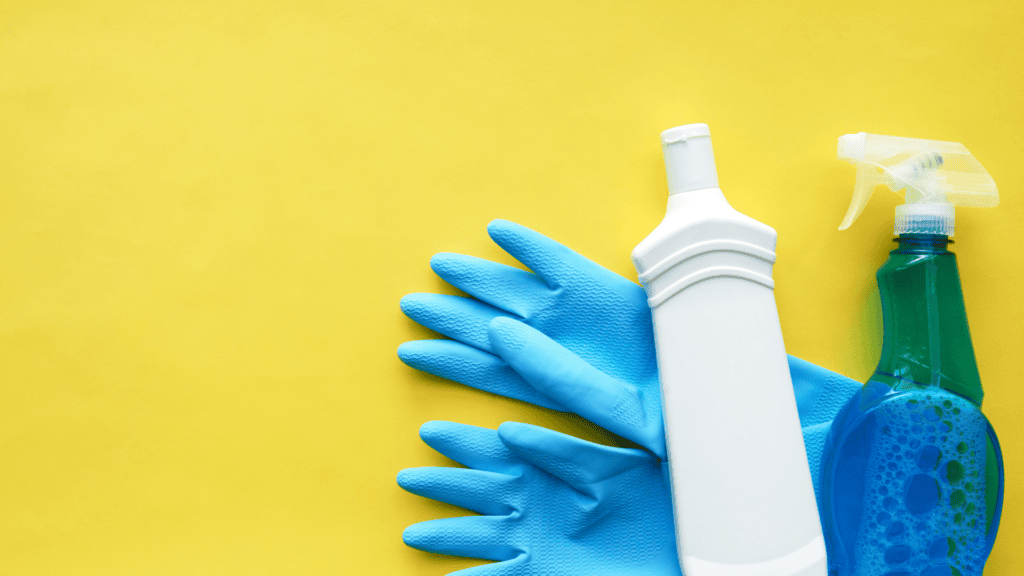
Proper cleaning is critical because many common household cleaners are not effective against parvovirus. Properly diluted bleach and veterinary-approved disinfectants designed to eliminate parvo can help reduce contamination when used according to instructions.
Owners should also remember that the virus can unintentionally be transported on shoes, clothing, and other objects.
Dr. Espinosa’s Final Perspective
For Dr. Espinosa, the most important message for puppy owners is understanding that parvo is serious, but prevention and early care can make a significant difference.
“Vaccines were developed for a reason,” says Dr. Espinosa.
These core vaccines have cut mortality rates from these diseases to nearly zero in puppies.
Establishing a relationship with a trusted veterinarian early gives owners access to current medical recommendations, personalized guidance, and support throughout every stage of their dog’s life.
“When getting a puppy, please make an appointment with your local, trusted veterinarian to get the most up-to-date news and medical advice to help best care for your new addition,” says Dr. Espinosa.

Information Provided by Dr. David Espinosa
A native of Louisiana, Dr. Espinosa earned his Doctor of Veterinary Medicine from Louisiana State University in 2009. He went on to complete a small animal rotating internship at Texas A&M College of Veterinary Medicine, followed by a medical oncology residency at Cornell University College of Veterinary Medicine from 2011 to 2013. His clinical focus is on chemotherapy and surgical oncology, and he is experienced in treating a wide range of cancers in dogs, cats, and exotic pets. Outside the clinic, Dr. Espinosa enjoys hiking and spending time at home with his husband, their three children, and a lively household of pets. He looks forward to welcoming you and your companion to the practice.
Your feedback helps us cover this better next time.
Sorry to hear that — what was missing?
Glad it helped!
Get the latest dog events and top stories delivered straight to your inbox.