
Myth Busted: Dogs Don’t Walk on Their Full Feet – They Walk on Their Toes
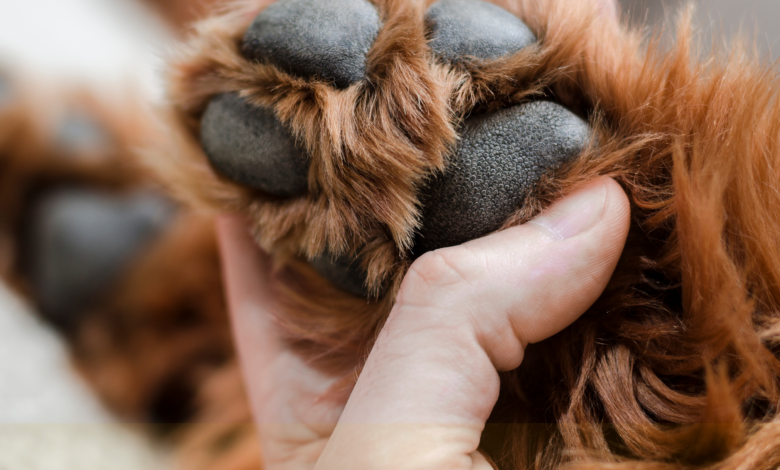
Many dog owners admire their pets’ graceful movement but don’t realize that dogs walk on their toes. Unlike humans, who are flat-footed, dogs are digitigrade animals, meaning they use only the toes and balls of their feet for walking and running.
Anatomy Behind the Toes
A dog’s long metacarpal and metatarsal bones act like natural springs. The paw pads provide shock absorption and grip, allowing dogs to move quickly, quietly, and efficiently. This design supports agility, sudden bursts of speed, and precise turns.
Digitigrade locomotion also conserves energy. The raised heel reduces the surface area hitting the ground, which makes running and turning less taxing on joints. It’s one reason dogs excel at chasing, navigating rough terrain, or responding rapidly to cues.
How Walking on Toes Affects Care
Because dogs rely on their paw pads for support, protecting them is essential. Hot pavement, ice, rough trails, or sand can cause burns, cuts, or abrasions. Regular nail trimming is also critical, as long nails alter paw mechanics and can lead to injuries or joint stress.
Other Digitigrade Animals
Dogs are not alone in this anatomy. Cats, hyenas, foxes, and other wild canids also walk on their toes. This evolutionary trait is linked to hunting, stalking, and stealth. Dogs inherited this from their wild ancestors, which explains their silent, agile movements even when running at full speed.
Why Understanding Toe-Walking Matters
Recognizing that dogs are digitigrade helps owners interpret movement, manage training, and provide better care. Proper surfaces, exercise routines, and paw protection all contribute to comfort and long-term joint health.