Why Standard Pet Insurance Fails Las Vegas Dogs When It Matters Most (and Could Cost You Dearly)
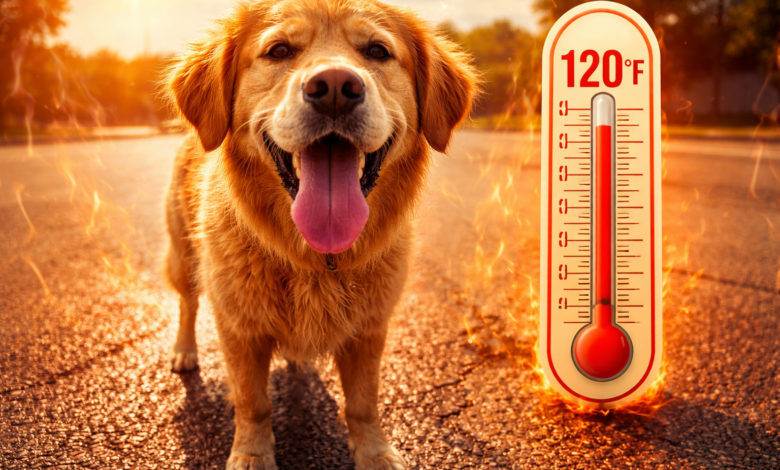
Most pet insurance policies were written for a dog that lives somewhere normal.
A dog that goes for a walk in the morning before it gets too hot, comes home to a fenced yard, maybe gets spooked by fireworks once a year on the Fourth of July.
Las Vegas doesn’t have dogs like that. The gap between how pet insurance is designed and how Las Vegas dogs actually live is wider than most owners realize until the moment it matters.

Get 20% off This Indoor Dog Camera That Can Dispense Treats Remotely
Now just $39, save 20% on the Furbo Mini 360° camera with treat tossing, 360° auto tracking, and 2-way audio so you can watch, reward, and talk to your dog!
Start with the heat, because the heat is where the risk calculus falls apart fastest. 2024 was the hottest summer on record in Southern Nevada, with temperatures reaching 120 degrees.
Throughout that summer, Las Vegas set or tied 13 daily record highs, logged seven straight days at 115°F, and by late September had tallied 101 days above 100 degrees, breaking a record that had stood since 1947.
See if You Can Reduce Your Dog Insurance
Fill in the form and one of our Dog Friendly Las Vegas partners will reach out with your personalized insurance quote.
Humans deal with this badly. Dogs deal with it worse.
A dog’s body temperature regulation depends almost entirely on panting, which becomes inefficient in the extreme dry heat of the Mojave. Once they hit 105°F, it’s heatstroke, a condition that can cause organ damage, seizures, and death.
Triple digits now arrive in May, which means the window of serious danger for dogs runs from late spring through early October. That’s not summer. That’s most of the year.
The good news on the insurance side is that heatstroke is generally treated as an accidental injury by most carriers. ICU treatment can hit $15,000, and a basic accident and illness policy can offset that.
But coverage isn’t guaranteed.
If a dog experiences heatstroke once and the owner doesn’t follow the vet’s recommended precautions, a second episode may not be covered on the grounds that a recurrence was preventable.
That’s a significant exposure for Las Vegas owners. A dog that overheats on a May morning walk in Summerlin, before the owner has recalibrated to summer protocols, isn’t the victim of negligence.
It’s the victim of a climate that changes the risk calendar in ways a policy written in Rhode Island or Delaware doesn’t anticipate.
The pavement is its own chapter. UMC logged 23 pavement burn hospitalizations in June 2024 alone, up from three the prior June.
By summer’s end, the Lions Burn Center had treated 94 pavement burn patients, nearly double the previous high. Those are human patients.
Las Vegas asphalt in peak summer reaches close to 170 degrees, and paw pad burns are a genuine and routine hazard.
Contact with that surface can raise a dog’s core body temperature at the same time it’s burning through the pads, compounding the emergency.
Paw pad burns are covered under accident and illness policies if they result in vet care. But the claim still goes through a preventability filter, and the more a condition looks like something an owner could have avoided, the more scrutiny it receives at the claims desk.
The pool issue is different and underappreciated. Las Vegas has one of the highest rates of residential pool ownership in the country, and dogs and pools coexist in almost every neighborhood in the valley.
A dog that falls into a pool and cannot get out faces drowning, which pet insurance would cover as an accidental injury.
But pool chemical ingestion, which happens more than owners acknowledge especially with dogs drawn to drink from pools in the heat, lands in murkier territory.
Chemical toxicity claims are often covered under accident and illness policies. But the documentation requirements can be demanding, and the timeline between ingestion and treatment affects how the claim is classified.
Then there’s the fireworks problem, which is where Las Vegas diverges most sharply from the national template.
One in five pets goes missing after being scared by loud noises, and the Fourth of July is typically the busiest period of the year for animal shelters.
That’s a national statistic. In Las Vegas, it undersells the exposure considerably, because Las Vegas doesn’t have a fireworks season. It has a fireworks calendar that runs almost continuously.
The Strip shoots them off most Friday and Saturday nights. Nine resort rooftops fire simultaneously on New Year’s Eve in one of the largest consumer fireworks events in the world.
There are concert blowouts at Allegiant Stadium, casino anniversary events, and sporting celebrations layered on top of that.
Noise aversion worsens without treatment, and a dog that doesn’t receive intervention becomes increasingly reactive rather than habituating to the sounds.
For a Las Vegas dog exposed to explosive noise not once annually but dozens of times a year, that worsening trajectory has a much steeper slope.
The insurance complication here isn’t coverage of fireworks-related injury. If a panicked dog bolts into traffic and gets hit, that traumatic injury is almost certainly covered.
The problem is the behavioral and pharmaceutical side.
Behavioral coverage varies widely by carrier, and providers like Lemonade require a separate add-on with a $1,000 cap for behavioral therapy, while others like Healthy Paws exclude it entirely.
An owner who invests in a treatment plan to protect their dog from the cumulative effects of chronic fireworks exposure is largely doing that out of pocket. And even with a policy that covers it, pre-existing anxiety disorders are excluded.
The underlying issue is that pet insurance is priced and written on national averages. A dog’s premium is affected by factors like age, breed, gender, and location, but the location factor is blunt, not granular.
Being in Nevada doesn’t fully price in what it means to live in the Mojave, next to an entertainment district that runs 24 hours a day.
The gap between the risk profile of a Las Vegas dog and the assumptions baked into a standard policy isn’t enormous, but it’s real, and it’s concentrated in exactly the scenarios Las Vegas owners face most.
The practical answer isn’t to skip insurance. Emergency vet care regularly runs well past what most households can absorb out of pocket, and BluePearl and similar emergency hospitals start consultations around $170 to $200, with diagnostics and overnight stays escalating from there.
A comprehensive accident and illness policy is still the right call.
But reading the exclusions with Las Vegas-specific scenarios in mind, the second heatstroke, the chronic anxiety medications, the preventability language, is worth doing before the claim, not after.
The policy your neighbor in Columbus bought for her golden retriever may be the same policy you’re holding, and it may cover most of the same things.
What it probably doesn’t account for is how many more times a year those scenarios are going to come up.