
You Bought the Right Dog Food – But Is Storage Quietly Ruining It?
Dog parents put real thought into what goes into their dog’s bowl.
Hours of label reading. Switching proteins for sensitive stomachs. Choosing senior formulas, limited-ingredient diets, fresh food subscriptions, or carefully balanced kibble that fits a dog’s age, breed, and health needs. Often at a higher cost — and sometimes after trial, error, and stress.
What’s easy to overlook is what happens after the bag comes home.
Improper storage can quietly undo all that effort. Nutrients break down, fats spoil, bacteria can grow, and food that was chosen with care becomes less safe or less effective. For pet parents who already stretch their budgets or worry about their dog’s digestion, realizing storage caused a problem is more than frustrating — it’s devastating.
This guide breaks down why storage matters, the real risks of common storage habits, and practical, vetted solutions by food type.
Why Dog Food Storage Is a Food Safety Issue, Not Just a Convenience
Once pet food is opened, it is exposed to air, heat, moisture, and repeated handling. According to the FDA, these factors can contribute to nutrient degradation and increase the risk of contamination if food is not stored properly.
- Using clean, dry containers with snug-fitting lids if food is transferred
- Washing containers between refills to remove residual fats
- Storing food in cool, dry environments below 80°F
- Prompt refrigeration of opened canned or pouched food
- Cleaning bowls and scoops after each use
While the FDA notes that keeping food in its original bag helps preserve sourcing and recall information, those same guidelines emphasize cleanliness, airtight storage, and temperature control — all of which directly connect to container choice and storage method.
The Hidden Risks of Common Storage Habits
Leaving Food in an Open Bag
Even bags with zip closures are not fully airtight once opened. Oxygen exposure accelerates oxidation, breaking down fats and fat-soluble vitamins over time.
Loose-Lid or Non-Food-Grade Containers
Many over-the-counter bins sold at big-box stores are designed for convenience, not food preservation. Snap-on or flip-top lids allow air exchange, while non–food-grade plastics may absorb oils or degrade over time.
Heat and Climate Concerns
In hot, dry climates like Las Vegas, food stored in garages or warm pantries degrades faster. Excess heat speeds up nutrient loss and fat spoilage.
Cross-Contamination
Old crumbs and oil residue left in containers can contaminate fresh food if bins aren’t cleaned between refills.
What Safe, Effective Storage Actually Requires
Regardless of brand or price point, good storage comes down to a few non-negotiables:
- Airtight seal
- Food-grade, BPA-free materials
- Easy-to-clean surfaces
- Protection from heat, moisture, and pests
Convenience matters — but food safety matters more.
Quality Airtight Storage Options for Dry Dog Food
These options are widely used, BPA-free, and designed specifically for pet food storage.
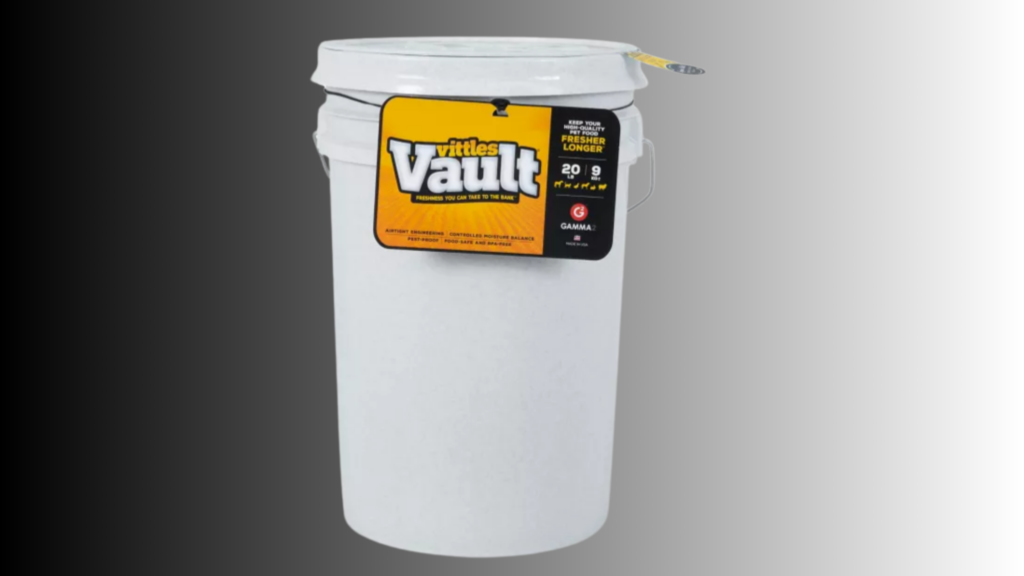
Gamma2 Vittles Vault (3.5–7 gallon)
- Airtight threaded lid
- Food-grade, BPA-free plastic
- Designed to block pests and moisture
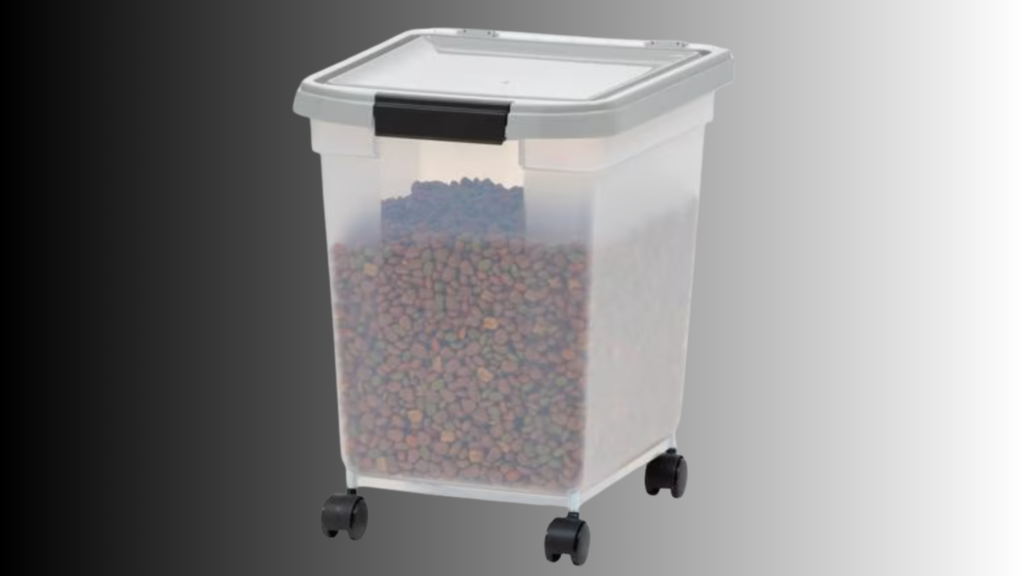
IRIS USA Airtight Pet Food Storage Containers
- BPA-free plastic
- Gasket-sealed lid
- Stackable options for multi-dog households
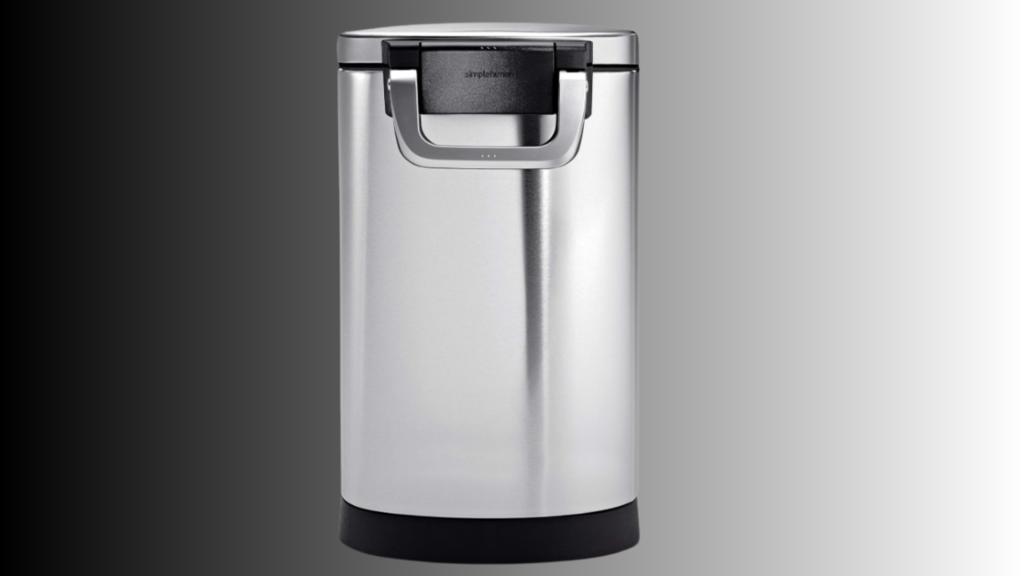
Simplehuman Stainless Steel Pet Food Canister
- Airtight silicone gasket
- Non-porous interior
- Suitable for smaller quantities
A Note on Original Bags
Some manufacturers advise placing the entire original bag inside an airtight container to preserve lot numbers and recall details. If transferring food:
- Save the UPC, lot number, and “best by” date
- Tape that information to the outside of the container
- Replace it each time a new bag is opened
This aligns with FDA guidance and helps balance food safety with recall preparedness.
Storage for Fresh, Refrigerated, and Delivered Dog Food
Fresh food requires even more care — and often represents a higher financial investment for pet parents.
Refrigerated Fresh Dog Food
- Store at 40°F or below
- Use sealed, food-grade containers
- Avoid repeated temperature changes
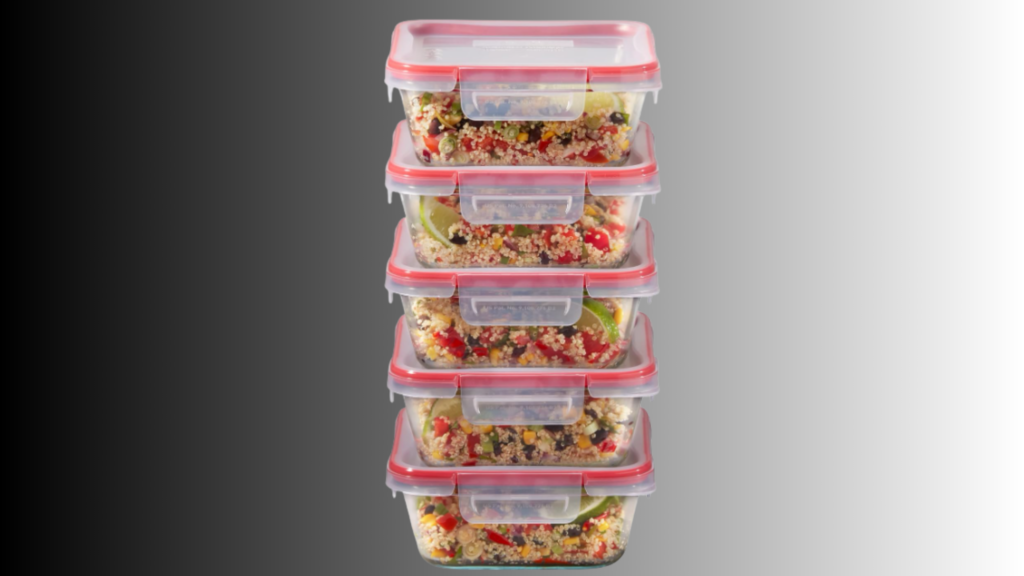
Glass containers with locking lids are preferred for fresh foods because they don’t absorb oils or odors. Pyrex Freshlocks Glass Food Storage Containers are an example of airtight and leakproof locking lids in BPA-free containers.
Frozen Dog Food
- Store in airtight, freezer-safe containers
- Label with dates
- Thaw only what will be used within manufacturer guidelines
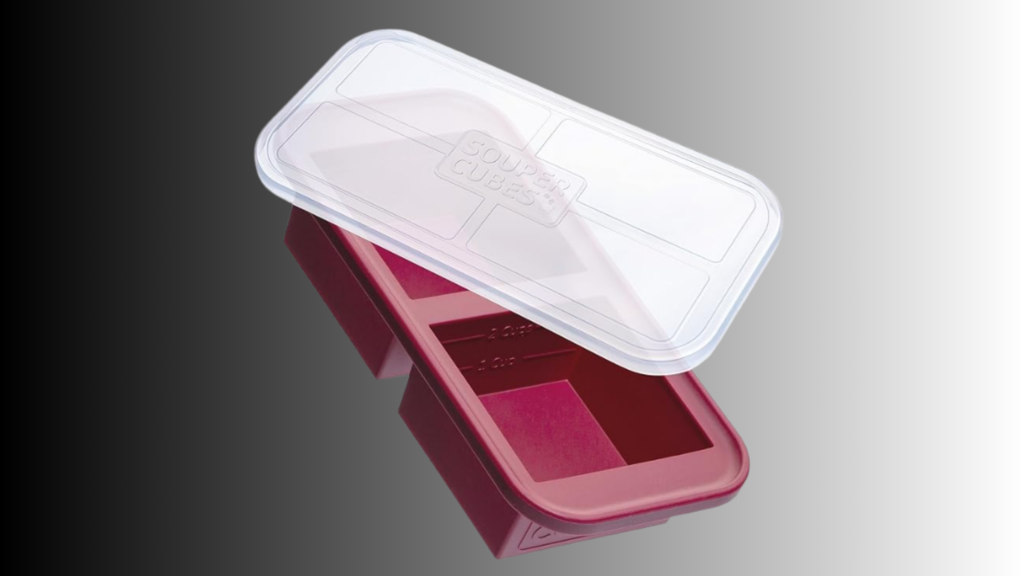
Souper Cubes Silicone Freezer Tray with Lids offer portioned freezer molds with locking lids for proper food storage.
Freeze-Dried and Air-Dried Foods
These products are highly sensitive to moisture.
- Store in airtight containers immediately after opening
- Avoid humid environments
- Do not rely on rolled bags alone
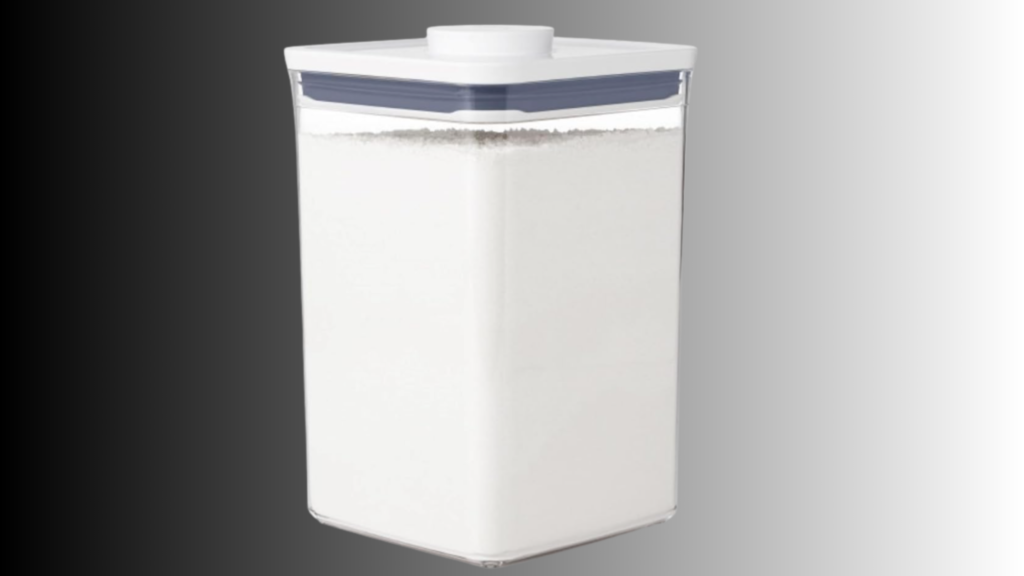
OXO Good Grips POP Containers offer airtight food storage with ample space and easy lid access.
Treats, Scoops, and Bowls Matter Too
The FDA also notes that pet bowls, scoops, and treat containers should be cleaned regularly to prevent bacterial buildup.
- Wash bowls after each meal
- Wash scoops and measuring cups after use
- Store treats securely to prevent overconsumption
The Bottom Line
Pet parents already do the hard part. They research. They adjust. They spend more when their dog needs more. They choose food with intention.
Proper storage protects that effort.
It keeps food safer, nutrients more stable, and dogs healthier — especially in warm climates where food breaks down faster. The right container isn’t an accessory. It’s part of responsible feeding, and it helps ensure that the care put into choosing the right food actually reaches the dog it’s meant for.
Sometimes the most impactful upgrade isn’t changing what’s in the bowl — but how it’s protected before it ever gets there.