
If You Work Long Hours, Pack Walks and Adventure Hikes Might Be the Answer for Your Dog
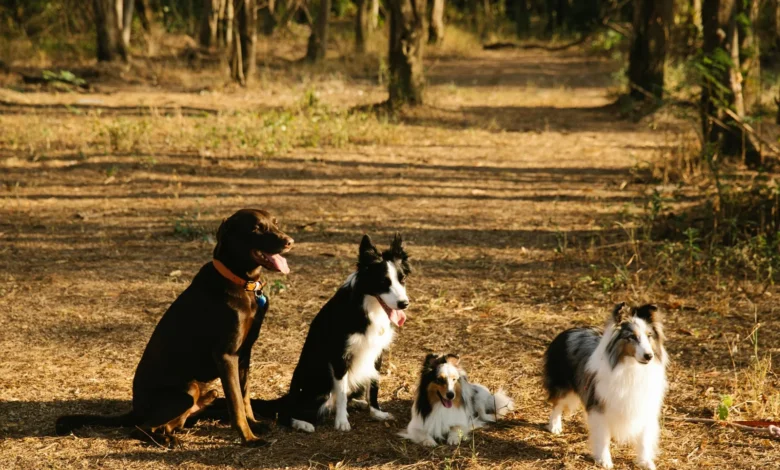
There are walks, and then there are adventures. If you’ve ever watched your dog bounce off the walls after a quick lap around the block and thought, “You need to climb a mountain, not my couch,” these services were built for you.
Pack-walk and adventure-hike companies take your dog out of the valley smog and into the hills, trails, and cooler air around Las Vegas for a genuine big day out, not another loop of the neighborhood sidewalk.
Pack walks are structured group outings where a small number of dogs hike together under the supervision of a professional handler or trainer.
The goal isn’t just exercise: it’s teaching dogs to move calmly around other animals, follow a human leader, and build confidence in new environments like desert trails or mountain paths.
Adventure hikes take things a step further by turning the outing into a real field trip: car transport, off-Strip trails, and several hours of hiking and exploring rather than a 20-minute block circuit.
Most of these programs are designed for dogs that need more than a casual walk — working breeds, high-energy mixes, and dogs that get bored and destructive without enough mental stimulation.
On a typical day, your dog gets picked up early in the morning, driven to a cooler trail in the Spring Mountains or Lake Mead area, hikes with a small group, then comes home happily exhausted and ready to nap the rest of the afternoon.
One of the best-known local examples of this model is Vegas K9 Adventures, which runs a day-camp experience combining early-morning wilderness hikes with small-group daycare.
Dogs are temperament-tested and matched by energy level to keep the group balanced, then taken to trails around Mount Charleston and other higher-elevation areas during warmer months, with lower-elevation alternatives in cooler seasons.
Every dog wears a GPS tracking collar and reflective gear, and new dogs stay leashed until they’ve proven they can stick with the group, a detail nervous owners tend to appreciate.
A typical full day looks like this: pickup around 6:30 a.m., a supervised hike tailored to your dog’s fitness level, then breakfast and playtime in a large fenced yard back at the facility.
Half-day dogs are usually home by late morning; full-day campers stay until late afternoon, giving owners a solid block of time to work, run errands, or simply enjoy a dog-hair-free house.
Rates run roughly in the low-to-mid $70s for a full day, a bit less for half days, with puppies sometimes priced slightly higher due to the extra management they require.
Not every option involves a full wilderness day camp, though.
Some trainers and walking companies run shorter, more budget-friendly pack walks on local trails — trainer-led groups at spots like Lone Mountain, where a small number of dog-and-handler pairs work on calm walking, gear use, and handler confidence along the gravel path.
Sessions typically run about an hour and are often limited to clients who’ve already gone through that trainer’s program, so everyone is aligned on handling and expectations.
This format works well if you want your dog to practice being around other dogs without the free-for-all of a dog park, and it’s a solid stepping stone for reactive or anxious dogs who need controlled exposure rather than chaotic off-leash encounters.
Because these are scheduled events rather than daily services, they’re also a low-commitment way to find out whether your dog enjoys the pack-walk format before you commit to regular adventure days.
Reputable services schedule hikes early in the morning, especially in summer, and stick to higher-elevation trails to keep dogs away from dangerous pavement and air temperatures.
Small group sizes, GPS collars, and reflective gear allow handlers to keep close tabs on every animal, and reliable operators will turn away dogs that aren’t suited for off-leash or pack settings.
On the owner’s end, you’ll typically need to provide proof of vaccines, disclose any aggression or reactivity history, and be honest about your dog’s fitness level.
Many services place restrictions on brachycephalic breeds in hot weather and will reschedule during extreme heat or poor air quality, and they should. If a company is willing to hike mid-July on sun-baked rock, keep looking.
These adventures aren’t cheap, so it’s worth being clear about when they’re genuinely the right call.
They make the most sense for high-energy dogs that aren’t getting enough from neighborhood walks, owners who work long hours and want to give their dog a meaningful weekly outing, or dogs that don’t do well at the park but still need social outlets.
For apartment dwellers without easy trail access, a weekly adventure booking can be the most practical solution available.
That said, if your dog is older, has joint issues, or struggles with heat, shorter neighborhood walks paired with enrichment games at home may serve them better.
And if your dog has a bite history or serious reactivity, work one-on-one with a behaviorist first. Group hikes are something to build toward, not a starting point.
When you do start shopping around, treat it like hiring a childcare provider. Look for operations that limit group size, use written intake forms, and require meet-and-greets before your dog joins a full outing.
Ask where they hike, what their summer hours look like, how they handle emergencies, and whether staff are trained in canine first aid.
Real photos of dogs on trail, clear cancellation policies, and GPS tracking are all encouraging signs.