 Presented byMajestic Park Animal Hospital
Most Dogs Will Develop Dental Disease – What Dr. Espinosa Wants Owners to Understand Early
Las Vegas dog owners face ongoing decisions around preventive care, from nutrition and behavior to long-term health conditions that often develop gradually and without obvious early warning signs.
In this week’s Veterinary Insight, we spoke with Dr. Espinosa of Majestic Park Animal Hospital about one of the most universal but frequently underestimated conditions in dogs: dental disease.
What Most Owners Don’t Realize About Dental Disease
Dental disease is something nearly every dog will experience at some point in life, though the severity and timing can vary widely.
Veterinary Tips
“Every dog will develop dental disease at some point in their life,” he notes.
Some may not be as severe, and at-home prevention is helpful, but it’s just what happens when you can’t floss and brush daily.
While many owners expect it later in life, changes often begin earlier than expected. Plaque forms first, followed by tartar buildup and inflammation that develops slowly beneath the surface.
Smaller breeds tend to show signs earlier due to crowded teeth, but larger dogs are not exempt. Genetics, diet, and daily care all play a role in how quickly disease progresses.
The Early Signs That Are Easy to Overlook
One of the most consistent challenges with dental disease is how subtle the earliest signs can be.

Redness along the gums, plaque buildup, and bad breath are often the first indicators, but they are frequently dismissed as normal aging.
By the time eating habits begin to change or discomfort becomes noticeable, the disease has often already progressed beyond the earliest stages.
Breed and Structural Risk Factors
Certain dogs are simply more prone to early dental issues based on mouth structure alone.
Smaller breeds and brachycephalic dogs are particularly at risk due to limited space in the mouth, which creates crowding and tight contact points between teeth.
Those areas become the first places where plaque accumulates, accelerating progression compared to dogs with more spacing.
Progression Varies More Than Owners Expect
There is no single timeline for dental disease.
Some dogs progress slowly with consistent care, while others experience rapid deterioration that requires more frequent professional cleanings.
Much of this depends on genetics, diet, and at-home maintenance, though even well-cared-for dogs can still develop significant disease over time.
When Bad Breath Becomes More Than “Normal”
Bad breath is often one of the earliest signs owners notice, but it is frequently normalized.

It becomes more concerning when it is paired with other symptoms such as difficulty eating or visible oral discomfort.
At that point, odor is no longer just a nuisance, it can indicate deeper disease that requires veterinary attention.
How Dental Disease Affects the Entire Body
Dental disease does not stay confined to the mouth.
Dental disease is directly tied to cardiovascular health and kidney health, just like in people,
he explains. “Plaque buildup and bacteria overgrowth get into the bloodstream and into the valves of their hearts.”
This systemic connection is one of the most overlooked aspects of oral health and a key reason early intervention matters.
Pain That Often Looks Like Behavior Changes
Because dogs do not show pain in obvious ways, dental disease often appears first as subtle behavior changes.
Reduced appetite, reluctance to chew, or slower eating can all signal discomfort rather than behavioral preference.
In some cases, untreated disease can progress to broken teeth or abscesses, further reducing quality of life.
When Professional Dental Care Becomes Necessary
Most dogs benefit from professional dental cleanings every one to two years, depending on individual risk factors.
While surface exams can identify visible buildup, much of the disease exists below the gumline and cannot be fully assessed without radiographs.
That deeper evaluation is essential for understanding the true extent of disease.
Why Anesthesia Is Required for Dental Treatment
Full dental evaluation and treatment require anesthesia to safely access and clean below the gumline.
Pre-operative bloodwork and physical exams are performed first to ensure the patient is healthy enough for the procedure.
Once under anesthesia, veterinarians are able to clean thoroughly, take radiographs, and evaluate areas that cannot be seen during an awake exam.
What a Full Dental Procedure Involves
A complete dental cleaning includes scaling, polishing, and full-mouth radiographs.
This allows the veterinary team to assess both visible and hidden disease, including tooth roots and structures beneath the gumline.
Technicians play a critical role throughout the process, monitoring anesthesia and assisting with imaging and treatment.
What Happens When Dental Care Is Delayed
Delaying dental care often leads to more advanced disease and increases the likelihood of extractions later.
In some cases, additional findings such as oral masses or hidden foreign material may also be discovered during treatment.
Early intervention typically results in simpler, less invasive care.
When a Tooth Cannot Be Saved
Decisions around extraction are guided by dental radiographs rather than surface appearance alone.
Fractures, root abscesses, and bone loss are often not visible during a standard oral exam but become clear once imaging is performed.
Recovery After Dental Extractions
Recovery is often smoother than many owners expect.
Some dogs show little obvious change afterward and adjust quickly once sources of pain are removed.
Most recoveries involve a soft food diet for about two weeks along with routine post-operative care.
The Most Important At-Home Habit
One of the most impactful starting points is simply getting dogs comfortable with having their mouth handled.
This improves both at-home monitoring and veterinary care and makes long-term dental maintenance easier to manage.
What Realistic Dental Care Looks Like
At-home dental care is most effective when it is consistent and sustainable.
Dental chews, dental-focused diets, and appropriate chew toys can all support oral health when used regularly as part of a routine.
Brushing remains the gold standard, but consistency matters more than perfection.
Understanding VOHC-Approved Products
The Veterinary Oral Health Council evaluates products that have been tested for plaque and tartar reduction.
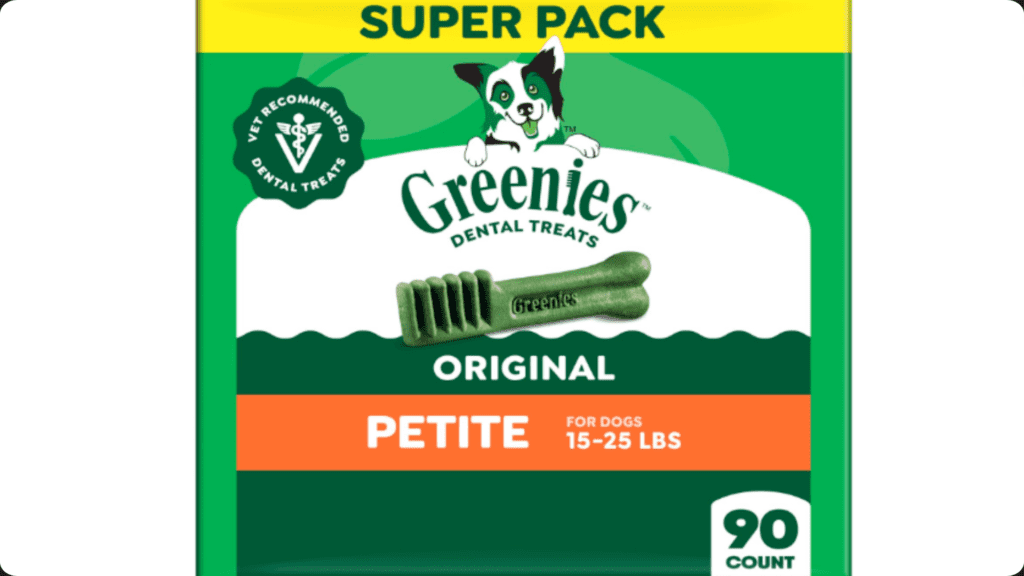
These products provide a reliable starting point for owners choosing dental chews or additives.
When to Seek Veterinary Attention
Certain signs should prompt evaluation sooner rather than later.
Trouble eating, wincing while chewing, or any blood or discharge from the mouth are all indicators that dental disease may already be advanced.
Dental Care in Senior Dogs
As dogs age, dental care often requires more individualized attention.
Some benefit from softer diets, while others need more frequent dental evaluations depending on disease progression.
Final Takeaway
Dental disease is extremely common and, for most dogs, expected over their lifetime without proactive care.
Because dogs tend to hide discomfort, visible symptoms often appear late in the disease process.
Early awareness, consistent at-home care, and routine professional cleanings remain the foundation of long-term oral health.
Personal Insight
Dental pain in dogs is often underestimated because it is not always outwardly visible.
When symptoms appear, delaying care can increase discomfort and limit treatment options.
With multiple avenues for care and support available, early attention remains one of the most effective ways to protect long-term comfort and quality of life.

Information Provided by Dr. David Espinosa
A native of Louisiana, Dr. Espinosa earned his Doctor of Veterinary Medicine from Louisiana State University in 2009. He went on to complete a small animal rotating internship at Texas A&M College of Veterinary Medicine, followed by a medical oncology residency at Cornell University College of Veterinary Medicine from 2011 to 2013. His clinical focus is on chemotherapy and surgical oncology, and he is experienced in treating a wide range of cancers in dogs, cats, and exotic pets. Outside the clinic, Dr. Espinosa enjoys hiking and spending time at home with his husband, their three children, and a lively household of pets. He looks forward to welcoming you and your companion to the practice.
Content reflects individual opinions for general information only and is not a substitute for professional care; Dog Friendly Las Vegas is not responsible for actions taken based on this content.
Never Miss a Dog Event in Las Vegas
Get the latest dog events and top stories delivered straight to your inbox.