Cyanide “Bombs” Could Return to Public Lands. Here’s What Nevada Dog Owners Should Know Before Their Next Adventure
Published June 10, 2026
For many Las Vegas dog owners, public lands are part of everyday life.
Whether you’re exploring BLM trails outside Red Rock Canyon, camping near Pahrump, heading into the Mount Charleston area, or spending a weekend in the Nevada desert with your dog, public lands offer some of the best opportunities for outdoor adventures.
But a recent federal policy change has animal welfare groups, conservation organizations, and many pet owners concerned.
A Biden-era prohibition on the use of M-44 cyanide devices on Bureau of Land Management (BLM) lands has been lifted, potentially allowing the devices to once again be considered for use on certain federal lands under existing regulations. Multiple national animal welfare organizations have raised concerns about what that could mean for wildlife, pets, and people recreating on public lands.
What Is an M-44 Device?
Often referred to by critics as a “cyanide bomb,” an M-44 is a spring-loaded device placed in the ground and baited with a scent designed to attract animals.
According to the U.S. Department of Agriculture’s Wildlife Services program and multiple animal welfare organizations, when an animal bites or pulls the baited trigger, the device ejects sodium cyanide into the animal’s mouth. The compound rapidly reacts with moisture and stomach acids, producing toxic cyanide gas that can kill the animal.
Historically, M-44s have primarily been used to target coyotes and foxes in livestock protection programs.
The controversy comes from the fact that the devices cannot distinguish between a coyote, a family dog, a wolf, a fox, or another animal that encounters the bait.
Why Dog Owners Are Paying Attention
For many pet owners, concerns aren’t centered on wildlife policy debates. They’re centered on a much simpler question:
Could my dog accidentally trigger one?
Animal welfare organizations point to documented cases where dogs have been injured or killed after encountering M-44 devices.
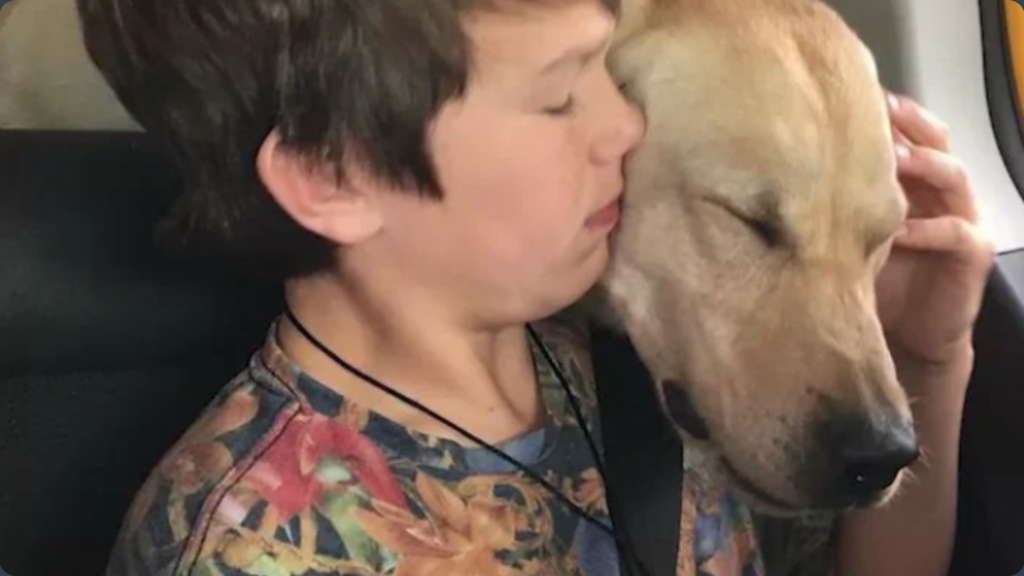
One of the most widely reported incidents occurred in Idaho in 2017 when 14-year-old Canyon Mansfield accidentally triggered an M-44 while walking near his home on public land. His Labrador Retriever, Kasey, died after being exposed to the device, while Canyon himself was hospitalized after coming into contact with the cyanide cloud.
Advocacy groups including Predator Defense, Humane World for Animals, Project Coyote, and Animal Wellness Action have documented additional incidents involving pets and non-target wildlife over the years.
According to Wildlife Services records cited by Animal Wellness Action, non-target animals killed by M-44 devices have included pet dogs, livestock guardian dogs, birds of prey, bears, wolves, and other wildlife.
What About Nevada?
Nevada is among the states where M-44 devices have historically been used. According to reporting by Animal Wellness Action, Nevada remains one of several states where M-44 deployment has occurred on certain lands under federal wildlife management programs.
Nevada also contains millions of acres of BLM-managed public lands that are heavily used by hikers, campers, hunters, off-road enthusiasts, and dog owners throughout the year.
While any future deployment would reportedly be evaluated on a case-by-case basis, animal welfare advocates argue that the possibility alone raises concerns for recreationists using public lands.
At the time of publication, Dog Friendly Las Vegas was unable to confirm any deployment locations of devices.
Why This Matters for Las Vegas Dog Owners
Even if M-44 devices are relatively uncommon, Nevada dog owners often spend time in exactly the types of areas where these devices have historically been used.
That includes:
- Remote BLM recreation areas
- Desert camping locations
- Livestock grazing regions
- Rural trail systems
- Public lands outside urban areas
Because M-44s are intentionally baited with scents attractive to canines, critics argue that dogs may be particularly vulnerable if they encounter one while off-leash or exploring ahead of their owners.
For curious dogs that investigate smells with their noses and mouths, that concern is difficult to ignore.
Summer Adds Another Layer of Risk
Regardless of where you stand on wildlife management policies, Nevada dog owners already face significant hazards when recreating outdoors during summer months.
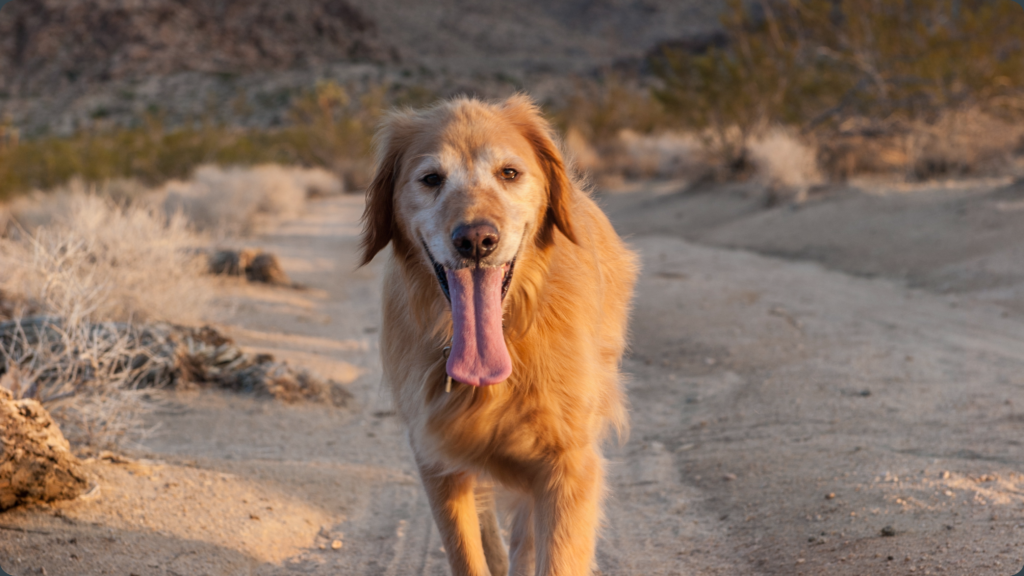
Triple-digit temperatures can create serious risks including:
- Paw pad burns from hot surfaces
- Heat exhaustion
- Heat stroke
- Dehydration
- Snake encounters
- Limited shade and water access
If you’re planning adventures on public lands this summer, veterinarians generally recommend:
- Hiking early in the morning
- Carrying more water than you think you’ll need
- Keeping dogs on trails
- Monitoring paw temperatures frequently
- Watching for signs of overheating
- Maintaining reliable recall or leash control
Those precautions remain important whether M-44 devices are present or not.
The Larger Debate
Supporters of M-44 use argue that the devices can help protect livestock from predators such as coyotes.
Critics argue that modern wildlife management should rely more heavily on non-lethal deterrents, livestock guardian dogs, fencing improvements, range riders, and other conflict-reduction strategies rather than indiscriminate toxic devices.
Former Wildlife Services supervisor Carter Niemeyer, quoted by Animal Wellness Action, has argued that broad predator removal can sometimes create unintended ecological consequences and may not effectively reduce long-term coyote populations.
The debate is likely to continue as policymakers, wildlife agencies, ranching interests, conservation groups, and animal welfare organizations weigh competing priorities.
What Nevada Dog Owners Can Do
For now, awareness may be the most important tool.
If you’re heading onto public lands with your dog:
- Keep dogs under close control.
- Pay attention to posted notices and warning signs.
- Avoid allowing dogs to investigate unknown baited objects.
- Report suspicious wildlife control devices to local authorities or land managers.
- Stay informed about land management policies affecting areas you regularly visit.
Most importantly, remember that Nevada’s public lands remain incredible places to explore with our dogs. A little extra awareness can go a long way toward keeping those adventures safe.
For many dog owners, that’s what this conversation ultimately comes down to: ensuring that the public lands we enjoy with our pets remain as safe as possible for everyone who uses them.
Your feedback helps us cover this better next time.
Sorry to hear that — what was missing?
Glad it helped!
Get the latest dog events and top stories delivered straight to your inbox.