 Presented byMajestic Park Animal Hospital
Leptospirosis (Lepto) in Dogs – The Hidden Risks Nevada Dog Owners Should Know
Published August 6, 2026
For many Nevada dog owners, leptospirosis may not be the first disease that comes to mind when thinking about threats to their dogs. In a dry, desert environment, a disease associated with contaminated water and soil can seem like a concern somewhere else. But leptospirosis does not follow those assumptions.
Leptospirosis is a highly infectious bacterial disease that can affect dogs after exposure to environments contaminated with Leptospira bacteria, most commonly through the urine of infected animals. Wildlife can carry and spread the disease, and the bacteria can remain in the environment for extended periods under the right conditions.
The disease is also zoonotic, meaning it can potentially spread from animals to people. While the likelihood of catching leptospirosis from an infected pet is considered low, it is not impossible, making awareness important for the entire household.
Veterinary Tips
As pet ownership increases and more people travel and explore different environments with their dogs, understanding where exposure can occur has become increasingly important.
What Is Leptospirosis?
Leptospirosis is caused by Leptospira bacteria and is primarily spread through contact with contaminated urine. Dogs can encounter the bacteria in stagnant or moving water, contaminated soil, or tissue from infected animals.
Wildlife is an important source of exposure. Rats, raccoons, opossums, and other animals can carry the bacteria and contaminate their surrounding environment.
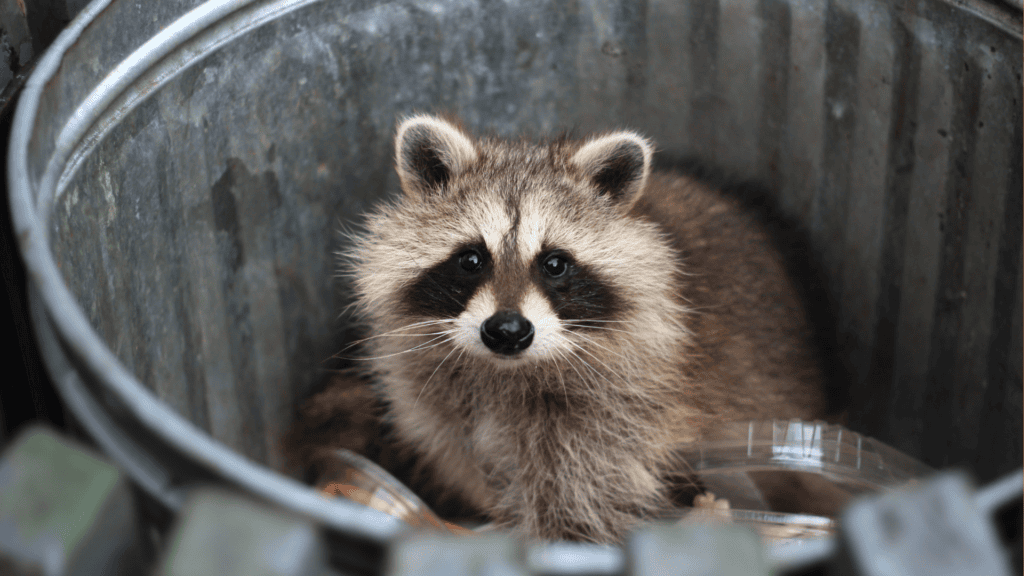
“Most animals is that many common wildlife can carry this disease and it lives in the environment for potentially months,” explains Dr. Espinosa.
The disease is more commonly associated with warmer, humid areas and regions experiencing significant rainfall or flooding. However, exposure is not limited to those environments.
In recent years, changing weather patterns, increased rainfall in some regions, and greater movement of people and their pets have contributed to broader concerns about where leptospirosis can occur.
Why Nevada Dog Owners Should Pay Attention
For many people in the Southwest, leptospirosis is unfamiliar. That can make recognizing potential exposure more difficult, particularly when a dog develops symptoms that could have many other explanations.
According to Dr. Espinosa, cases are increasing in parts of the country, while wildlife studies have found substantial rates of infection among certain species. As cases occur in new areas and pets travel across state lines, veterinarians have increasingly incorporated leptospirosis into conversations about prevention and vaccination.
Travel can also change a dog’s exposure profile. A dog living in Nevada may encounter environmental risks while hiking, camping, visiting other states, staying at boarding facilities, or spending time in areas with different wildlife and weather conditions.
Leptospirosis has also received increased attention because it is zoonotic. Although transmission from a pet to a person is unlikely, an infected dog can create additional household precautions during treatment.
How Dogs Are Exposed
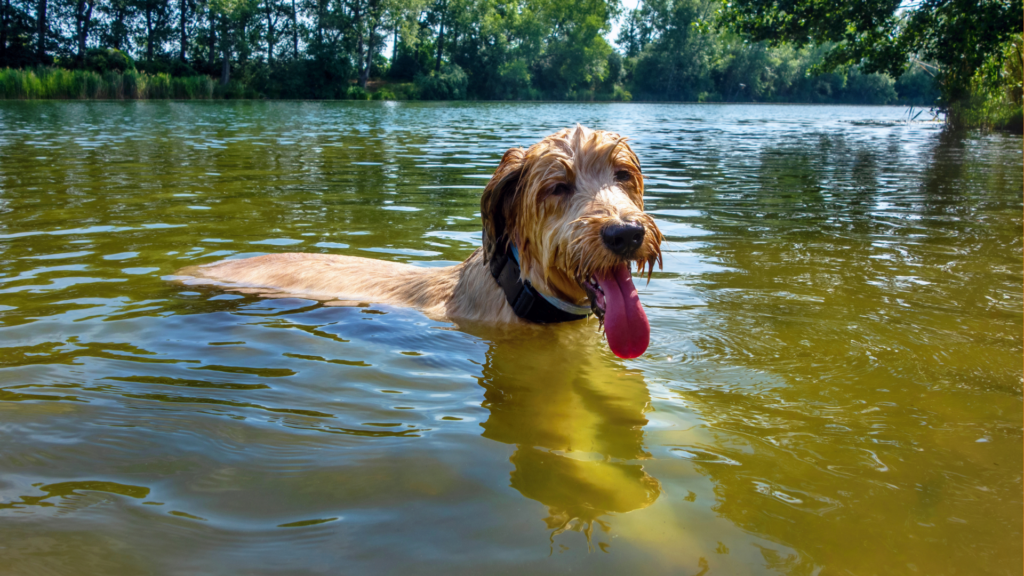
Dogs typically become infected when contaminated water, soil, or other material comes into contact with an open wound, the skin, or the mouth.
That can include stagnant water, moving water, or soil contaminated by the urine of an infected animal.
The risk is not limited to rural environments. Wildlife carrying Leptospira can live in suburban and urban areas as well, meaning a dog does not have to live on a farm or spend time deep in the wilderness to encounter the bacteria.
Outdoor activities can increase opportunities for exposure, particularly for dogs that regularly hike, travel, swim, or explore unfamiliar environments.
For owners who frequently take their dogs outdoors or across state lines, researching potential disease risks in the areas they visit can be an important part of responsible preparation.
Who Is at Risk?
One of the challenges with leptospirosis is that there is no simple profile for determining which dogs can become infected.
Research indicates that dogs can be at risk regardless of age, breed, location, or season, although the disease is more common in warmer, humid environments with greater rainfall.
Exposure patterns matter as well. A dog’s individual lifestyle, travel history, access to outdoor environments, and contact with wildlife can all affect the potential for exposure.
This is one reason discussions about leptospirosis prevention should be individualized rather than based solely on where a dog lives.
The Early Signs Can Be Easy to Miss
Leptospirosis can initially look like many other illnesses.
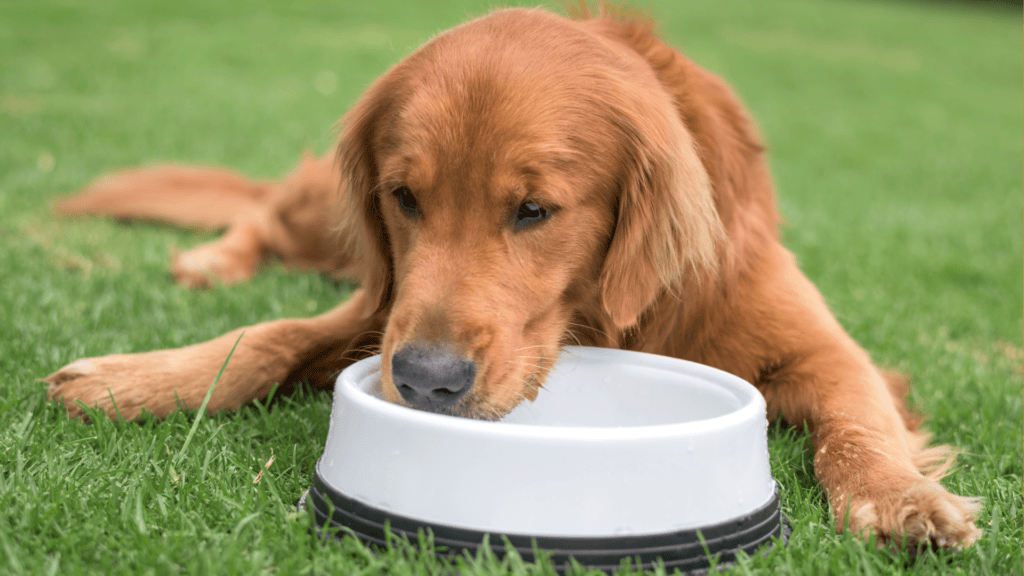
Early signs may include increased drinking, changes in urination, lethargy, and fever. Loss of appetite and vomiting may also occur.
Because those symptoms can have numerous causes, leptospirosis may not immediately be the first diagnostic consideration, particularly in Nevada where veterinarians are evaluating dogs for a wide range of more familiar conditions.
More serious cases can involve jaundice, kidney pain, muscle weakness, and respiratory problems.
Any dog that becomes ill following potential wildlife exposure deserves particular attention. A veterinarian should be consulted after significant wildlife exposure, including situations where a dog has been bitten by or has eaten wildlife.
When Veterinary Care Is Needed
Owners should not wait for symptoms to become severe before contacting a veterinarian when there is a known or suspected exposure.
In particular, changes in drinking or urination, unexplained lethargy, fever, vomiting, loss of appetite, or other signs of illness following exposure to wildlife, contaminated water, or unfamiliar environments warrant veterinary attention.
More severe signs, including jaundice, significant weakness, kidney-related pain, or respiratory problems, require prompt veterinary evaluation.
Because the early symptoms of leptospirosis overlap with many other diseases, diagnosis often requires veterinary testing rather than observation alone.
How Leptospirosis Is Diagnosed
Veterinarians may use PCR testing, antibody titer testing, or urine testing when investigating possible leptospirosis. Depending on the test and the stage of infection, results can take time and may sometimes need to be repeated.
Newer rapid tests can identify antibodies in the bloodstream, but vaccination status can affect those results. That can make confirming a diagnosis more complicated and time-consuming.
This is one reason diagnostic testing is sometimes part of a process of elimination rather than a single test that immediately provides an answer.
As Dr. Espinosa notes, he has not personally diagnosed a case of leptospirosis in Nevada, but the disease still needs to be considered in appropriate cases.
For owners facing multiple diagnostic possibilities, communicating openly with the veterinary team about financial limitations can also help determine which testing is most practical and how to proceed with treatment.
Treating Leptospirosis
Leptospirosis is treated with antibiotics, with the duration depending in part on how the individual dog responds to treatment.
Supportive care is also important. Veterinarians may recommend fluids to prevent dehydration, medications to control vomiting and gastrointestinal symptoms, and pain medication when necessary.
More severe cases may require hospitalization and intravenous fluids.
Fortunately, Leptospira bacteria are sensitive to commonly used antibiotics. Intravenous fluids can also be particularly important when the kidneys have been affected, helping support circulation while damaged kidneys recover.
With appropriate treatment started as soon as possible, reported survival rates can reach approximately 80% to 90%, although prognosis depends heavily on the extent of organ damage.
When Leptospirosis Becomes Severe
Kidney injury is one of the major concerns associated with leptospirosis. While many cases of kidney injury respond to fluid therapy, severe cases can require dialysis, which is not available at every veterinary hospital.
Certain strains and more severe infections can also involve the lungs, which carries a poorer prognosis.
The severity of infection can vary, and a stronger strain may result in more serious disease.
Unlike some infections, recovering from leptospirosis does not necessarily provide lasting immunity. Previously infected dogs can become infected again.
Vaccination and Prevention
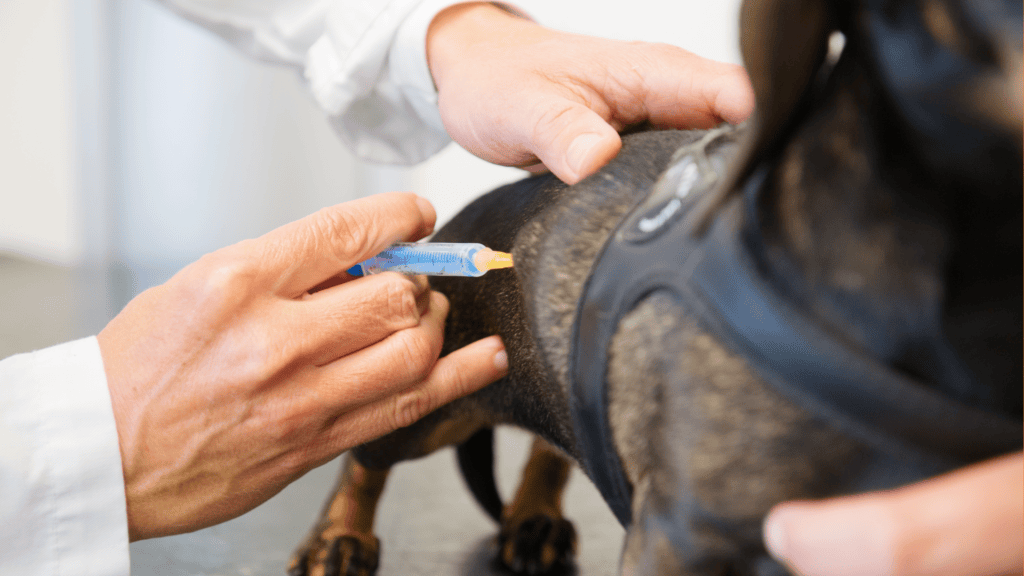
Vaccination is an important tool for reducing the risk associated with leptospirosis, although no vaccine provides 100% protection.
The goal is to help develop immunity before exposure and reduce the likelihood of severe infection if exposure occurs. Dogs that complete the recommended vaccination series receive the greatest benefit.

Whether the vaccine is appropriate for an individual dog is a conversation owners should have with their veterinarian. Previous vaccine reactions, potential exposure, lifestyle, and other health conditions can all factor into that decision.
For owners who have never heard of leptospirosis, the recommendation for another vaccine can understandably raise questions. The conversation is ultimately about weighing an individual dog’s potential exposure and health considerations against the consequences of infection.
Reducing Exposure Beyond Vaccination
Vaccination is only one part of prevention.
Owners who regularly hike, travel, or spend time outdoors with their dogs should research the environments they plan to visit and understand which diseases may be present in those areas.
Paying attention to wildlife activity, standing water, and other potential sources of contamination can help owners make informed decisions about where their dogs explore.
As environments change and pets increasingly travel with their families, a dog’s exposure risks can change as well.
Protecting Your Household
Leptospirosis is zoonotic, but the likelihood of a person contracting the disease from an infected dog is considered low. Still, households should take precautions when caring for a dog diagnosed with leptospirosis.
The bacteria are cleared from the bloodstream within approximately 24 hours after antibiotic treatment begins, but they can continue to be shed in urine for about a week. This makes careful handling of urine particularly important during treatment.

Owners should wear gloves and appropriate eye protection when cleaning urine and should properly disinfect contaminated areas using an appropriate iodine-based product.
Infected dogs should also be isolated from other animals during treatment and until the veterinarian determines that the risk of transmission has passed.
Staying Ahead of Changing Risks
For dog owners, one of the broader lessons of leptospirosis is that disease risk is not static.
Changes in weather, wildlife populations, travel patterns, and pet ownership can alter the diseases dogs may encounter. A condition that seems uncommon in one community may be more prevalent in another location a dog visits.
“There are no rules or restrictions regarding disease spread,” says Dr. Espinosa.
Due to the everchanging environments and increase in pet ownership, we would love for owners to take more initiative in learning about what’s changing around them and in their pets’ daily lives.
That does not mean every dog needs the same preventive plan. Instead, owners should have ongoing conversations with their veterinarians about their dog’s lifestyle, health, travel, and potential exposure.
The Bottom Line for Dog Owners
Leptospirosis may not be a disease every Nevada dog owner has encountered, but its potential to spread through wildlife, contaminated water and soil, and changing environments makes awareness worthwhile.
The disease can affect dogs of any age or breed, and early symptoms can be difficult to distinguish from other illnesses. Prompt veterinary evaluation, appropriate diagnostic testing, antibiotics, and supportive care can significantly improve the outlook for infected dogs.
Prevention also requires more than one approach. Depending on an individual dog’s health and lifestyle, vaccination, awareness of environmental risks, and careful consideration of travel and outdoor activities can all play a role.
Most importantly, owners should not assume that a disease is irrelevant simply because they have never encountered it before. As environments and lifestyles change, so can the risks facing our pets.

Information Provided by Dr. David Espinosa
A native of Louisiana, Dr. Espinosa earned his Doctor of Veterinary Medicine from Louisiana State University in 2009. He went on to complete a small animal rotating internship at Texas A&M College of Veterinary Medicine, followed by a medical oncology residency at Cornell University College of Veterinary Medicine from 2011 to 2013. His clinical focus is on chemotherapy and surgical oncology, and he is experienced in treating a wide range of cancers in dogs, cats, and exotic pets. Outside the clinic, Dr. Espinosa enjoys hiking and spending time at home with his husband, their three children, and a lively household of pets. He looks forward to welcoming you and your companion to the practice.
Your feedback helps us cover this better next time.
Sorry to hear that — what was missing?
Glad it helped!
Get the latest dog events and top stories delivered straight to your inbox.
Content reflects individual opinions for general information only and is not a substitute for professional care; Dog Friendly Las Vegas is not responsible for actions taken based on this content.